
- Why a Timeline Matters
- 12-18 Months Before: Laying the Foundation
- 9-12 Months Before: Building Your Vendor Team
- 6-9 Months Before: Details Taking Shape
- 4-6 Months Before: The Paper Trail
- 2-4 Months Before: Final Preparations
- 1-2 Months Before: The Home Stretch
- The Final Week: Last Details
- Day-Of Timeline: Your Wedding Day
- Budget Tips Throughout Planning
- Common Timeline Mistakes to Avoid
- Related Resources and Planning Tools
- 12+ months out: Set your budget (with a 5-10% buffer), draft your guest list, book your venue, and hire a wedding planner if using one
- 9-12 months out: Book your photographer, videographer, caterer, DJ or band, officiant, and florist; choose your wedding party and start your registry
- 6-9 months out: Shop for wedding attire, send save-the-dates, schedule menu and cake tastings, book hair and makeup, order your cake, and purchase rings
- 4-6 months out: Order invitations, arrange transportation, plan the rehearsal dinner, book the honeymoon, and start dress fittings
- 2-4 months out: Complete alterations, obtain your marriage license, write vows, do hair and makeup trials, and begin the seating chart
- 1-2 months out: Confirm all vendors, submit the final guest count and seating chart, make final payments, and finalize the day-of timeline
- Final week: Attend the rehearsal, pack for the honeymoon, prepare tip envelopes, delegate day-of tasks, and rest
Why a Wedding Planning Timeline Matters
Planning a wedding without a timeline is like navigating a new city without a map—you might eventually get where you're going, but you'll waste time, miss important stops, and probably feel stressed the entire journey. A structured wedding planning timeline transforms the seemingly overwhelming task of organizing your celebration into manageable, month-by-month milestones.
The wedding industry operates on surprisingly long lead times. Popular venues book 12-18 months in advance, especially for peak season Saturdays. In-demand photographers are often booked a year ahead. Bridal gowns require 4-6 months for ordering and alterations. Without understanding these windows, you might find yourself scrambling or settling for second-choice vendors simply because you waited too long.
"The couples who enjoy their engagement most are those who spread tasks over time rather than cramming everything into the final months. Planning is a marathon, not a sprint."
Beyond practical vendor timelines, following a structured schedule reduces stress significantly. When you know exactly what needs to happen and when, you can relax during the "off" weeks, knowing you're on track. You'll avoid those 2 AM panic moments wondering if you forgot something crucial. And you'll actually enjoy the engagement period rather than feeling consumed by wedding planning.
This comprehensive month-by-month guide covers everything from your engagement announcement through your wedding day, with specific tasks, timing recommendations, and budget considerations at each stage. Whether you have 18 months or 8 months until your wedding, this timeline will help you prioritize effectively and stay organized.
12-18 Months Before: Laying the Foundation
The early months of your engagement are when you make the biggest decisions—the ones that shape everything else. Focus on establishing your budget, guest count, and securing your venue before diving into smaller details.
Set Your Wedding Budget. Before you tour a single venue or meet any vendor, you and your partner need to have an honest conversation about finances. How much can you contribute from savings? What can you realistically save between now and the wedding? Are family members contributing, and if so, do those contributions come with expectations? Use our Budget Calculator to create a realistic breakdown based on your total. Remember to build in a 5-10% buffer for unexpected costs—they always arise.
Determine Your Guest Count. Your guest count is the single biggest driver of wedding costs, affecting venue size, catering costs, stationery quantities, and more. Work with your partner (and families if they're contributing) to create three lists: A-list guests you can't imagine celebrating without, B-list guests you'd love to include if budget allows, and a final "maybe" list. Be realistic—every additional guest adds $150-$300 to your total. Use our Guest List Calculator to understand the full cost impact.
Book Your Venue. This is the most time-sensitive task. Popular venues, especially in major cities, book 12-18 months ahead for prime dates. Start by determining your priorities: outdoor vs. indoor, ceremony and reception in one location vs. separate venues, local vs. destination. Tour at least 3-5 venues before deciding. When you find "the one," be prepared to put down a deposit (typically 25-50% of the venue fee) to secure your date.
- Hire a wedding planner if using one (they're most valuable when involved early)
- Celebrate your engagement with an announcement and party if desired
- Start a wedding email address dedicated to vendor correspondence
- Create shared folders for contracts, inspiration, and planning documents
- Research marriage license requirements in your state (especially for destination weddings)
9-12 Months Before: Building Your Vendor Team
With your venue secured, it's time to book the vendors who'll bring your vision to life. These professionals book quickly, so prioritize based on your personal must-haves and local demand.
Book Photography and Videography. Your photos and video are the only lasting tangible memories of your wedding day, so invest in professionals whose style you love. Review full galleries (not just portfolio highlights), read reviews, and ask about their approach to the day. Most photographers require a 25-50% deposit to book. If videography is a priority, many couples book both from the same company for better coordination. Use our Photography Calculator to plan your coverage needs.
Secure Your Caterer. Unless your venue provides catering, this is your next booking priority. Schedule tastings (a delicious planning perk!) and get detailed quotes that include all fees, service charges, and gratuity. Discuss menu options for guests with dietary restrictions. Catering typically accounts for 30-40% of your total budget when combined with beverages. Plan your bar service with our Alcohol Calculator.
Book Entertainment. Whether you prefer a live band or DJ, book now. Great wedding bands often book 9-12 months out. When meeting with potential musicians, discuss your must-play songs, do-not-play list, and how they handle requests. Ask about their equipment needs—some venues have sound restrictions or specific requirements.
- Hire your officiant and discuss ceremony personalization
- Book your florist after sharing your venue photos and style preferences
- Set up your wedding website with basic information
- Start your registry at 1-3 stores across price points
- Research hotel blocks for out-of-town guests
- Select your wedding party and officially ask them
6-9 Months Before: Details Taking Shape
The heavy lifting of vendor booking is behind you. Now focus on the details that bring your vision together—your look, your paper goods, and your menu.
Shop for Wedding Attire. Wedding gowns typically require 4-6 months for ordering and production, plus 1-2 months for alterations. Start shopping now, even if you don't purchase immediately. Bring only 1-2 trusted opinions—too many voices create confusion. Don't forget the groom's attire, bridesmaids' dresses, and accessories. Consider the season and venue when selecting fabrics and styles.
Send Save the Dates. Six to eight months before your wedding is the sweet spot for save-the-dates—enough time for guests to plan, especially for destination weddings or holiday weekends. Include your wedding website URL where guests can find more details. For destination weddings, consider sending save-the-dates even earlier (9-10 months out) to give guests time to plan travel.
Schedule Menu Tastings. This is one of the most enjoyable parts of wedding planning! Work with your caterer to finalize your menu, considering seasonality, dietary restrictions, and your venue's kitchen capabilities. Discuss service style (plated, buffet, family style) and timing. Our Catering Calculator helps you plan appropriate quantities.
- Book hotel room blocks and add details to your wedding website
- Schedule cake tasting and review design options
- Research hair and makeup artists and book trials
- Start planning honeymoon logistics and book travel if needed
- Order your cake after finalizing design—use our Cake Calculator
- Purchase wedding rings allowing time for sizing adjustments
4-6 Months Before: The Paper Trail
It's time to get serious about stationery, transportation, and the logistics of getting everyone where they need to be. This phase involves a lot of communication and coordination.
Order and Send Invitations. Formal invitations should arrive 6-8 weeks before the wedding (8-10 weeks for destination weddings). Since printing and assembly take time, order invitations 4-5 months before your wedding date. Include clear RSVP instructions and deadline (typically 3-4 weeks before the wedding). Calculate quantities with our Invitation Calculator.
Arrange Transportation. Consider how the wedding party will get from getting-ready locations to the ceremony, and how you and your guests will move between ceremony and reception if at different venues. Book limousines, party buses, or shuttles now. Don't forget about parking arrangements if your venue has limited spots.
Finalize Rehearsal Dinner Plans. The rehearsal dinner traditionally happens the night before the wedding and includes the wedding party, immediate family, and often out-of-town guests. Book a restaurant or venue, plan the menu, and coordinate with your officiant on rehearsal timing. Some couples use this dinner for toasts, allowing the reception to focus on dancing and celebration.
- Book honeymoon flights and accommodations if not already done
- Arrange any rentals (linens, furniture, specialty items) not provided by venue
- Schedule dress fittings and first alterations appointment
- Plan welcome bags for out-of-town guests
- Create a day-of timeline draft to share with vendors
- Purchase wedding party gifts
2-4 Months Before: Final Preparations
Your wedding is taking concrete shape. Focus on final fittings, legal requirements, and all the personal touches that make the day uniquely yours.
Complete Dress Alterations. Most brides need 2-3 fitting appointments spread over several weeks. Your final fitting should be about two weeks before the wedding. Practice walking, sitting, and dancing in your dress. Break in your shoes by wearing them around the house. If you're wearing a veil or accessories, bring them to fittings to ensure everything works together.
Obtain Your Marriage License. Requirements vary by state—some require both partners present, others require blood tests or waiting periods. Research your state's specific requirements well in advance. Most marriage licenses are valid for 30-90 days, so plan timing carefully. Keep the license in a safe place and bring it to your ceremony for the officiant to complete.
Write Your Vows. If you're writing personal vows, start drafting now. Don't wait until the week before when stress is highest. Aim for similar length and tone to your partner's vows—you may want to share word counts without revealing content. Practice reading them aloud to work on delivery and timing.
- Conduct hair and makeup trial and take photos in similar lighting to your venue
- Begin seating chart as RSVPs arrive
- Finalize ceremony details with officiant (readings, vows, unity ceremony)
- Create emergency kit (sewing kit, stain remover, pain relievers, etc.)
- Confirm all vendor contracts and payment schedules
- Prepare playlists and must-play lists for DJ/band
1-2 Months Before: The Home Stretch
The countdown is on. This phase focuses on confirming every detail, making final payments, and ensuring nothing falls through the cracks.
Confirm All Vendors. Contact every vendor to reconfirm arrival times, setup requirements, and contact information for the day-of. Create a vendor contact sheet with names, phone numbers, and addresses to share with your planner or point person. Discuss load-in times, parking, and vendor meals with your venue.
Submit Final Guest Count and Seating Chart. Most caterers require final head counts 1-2 weeks before the wedding. Finalize your seating chart and create place cards or a seating display. Use our Seating Calculator to ensure optimal table arrangements. Account for vendor meals when submitting your count.
Make Final Payments. Review all contracts for remaining balances. Most vendors require final payment 2-4 weeks before the wedding. Prepare tip envelopes with cash—calculate amounts with our Tip Calculator. Assign a trusted person to distribute tips on the wedding day so you don't have to think about it.
- Finalize day-of timeline and distribute to all vendors
- Complete rehearsal dinner planning and send any invitations
- Confirm honeymoon reservations and finalize packing list
- Schedule any necessary beauty appointments (haircut, waxing, manicure)
- Confirm transportation pickup times for wedding day
- Prepare wedding day emergency contacts list
The Final Week: Last Details
Your wedding week has arrived. Focus on rest, delegation, and wrapping up final details. This is not the time for major decisions or last-minute additions.
Pack for Your Honeymoon. Get your honeymoon bags ready early in the week so you can focus on the wedding itself. Gather all travel documents, confirm any necessary visas, and arrange for someone to handle your house, pets, or mail while you're away. Set out-of-office messages on your email.
Delegate Last-Minute Tasks. Create a list of day-of tasks and assign them to trusted friends or family members. This includes things like transporting gifts to your home, handling vendor tips, gathering leftover cake, and coordinating the send-off. Brief each person on their specific responsibilities.
Attend Your Rehearsal. Walk through the entire ceremony with your wedding party and officiant. Cover processional order, where to stand, when to move, and any special moments. Keep it light and fun—this isn't the time for stress. Follow with your rehearsal dinner to celebrate with your closest people.
- Break in your wedding shoes by wearing them around the house
- Gather all items for the venue (decor, programs, guest book, card box)
- Confirm delivery and pickup times for all rentals
- Prepare day-of bag with touch-up makeup, snacks, phone charger
- Get adequate sleep—aim for 8 hours nightly this week
- Practice self-care: exercise, eat well, stay hydrated
As an Amazon Associate, we earn from qualifying purchases.
Wedding Planning Must-Haves
 Wedding Planner & Organizer
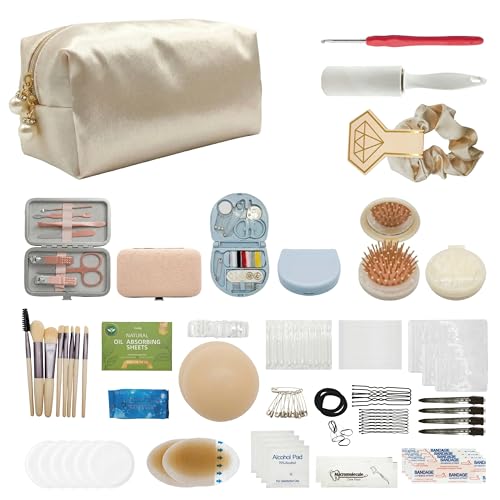 Bridal Emergency Kit
 LED String Lights (100ft)
 Champagne Flutes Set
The four rentals worth buying instead
Most wedding advice is about trimming the flowers. These four are the line items where buying outright costs less than one night of hire, and three of them resell afterwards.
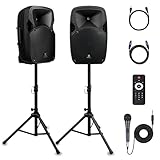 PRORECK Party 12 Powered PA System
A DJ is one of the biggest line items on any wedding budget. If someone you know can run a playlist, this is the difference between hiring one and not.
See it on Amazon →
PRORECK Party 12 Powered PA System
A DJ is one of the biggest line items on any wedding budget. If someone you know can run a playlist, this is the difference between hiring one and not.
See it on Amazon →
 Amazon Basics 46,000 BTU Patio Heater
Outdoor evening receptions live or die on this. Renting three for a night often costs more than buying two.
See it on Amazon →
Amazon Basics 46,000 BTU Patio Heater
Outdoor evening receptions live or die on this. Renting three for a night often costs more than buying two.
See it on Amazon →
 DazzlingStage Wireless Battery Uplights (6)
Battery uplights need no cable runs, so a venue that bans taped-down leads still lets you use them. The cheapest thing that changes how a room photographs.
See it on Amazon →
DazzlingStage Wireless Battery Uplights (6)
Battery uplights need no cable runs, so a venue that bans taped-down leads still lets you use them. The cheapest thing that changes how a room photographs.
See it on Amazon →
 Efavormart 8 ft Gold Hexagonal Arch
Heavy-duty metal rated to 100 lbs, and it resells afterwards, which is the part hiring one never does.
See it on Amazon →
Efavormart 8 ft Gold Hexagonal Arch
Heavy-duty metal rated to 100 lbs, and it resells afterwards, which is the part hiring one never does.
See it on Amazon →
As an Amazon Associate we earn from qualifying purchases. Prices and availability change; check before you buy.
Day-Of Timeline: Your Wedding Day
Every wedding day unfolds differently based on ceremony time, venue logistics, and personal preferences. Here's a sample timeline for a 4:00 PM ceremony with a 5:30 PM reception to help you visualize your day and communicate expectations to vendors.
- 8:00 AM — Wake up, light breakfast, begin at-home preparations
- 10:00 AM — Hair and makeup begins for bridal party
- 12:00 PM — Light lunch (protect that dress!), continue getting ready
- 1:30 PM — Photographer arrives for getting-ready photos
- 2:00 PM — Bride gets dressed, detail photos (rings, shoes, invitation)
- 2:30 PM — First look (optional) or finish individual photos
- 3:00 PM — Wedding party and family photos (if doing first look)
- 3:30 PM — Travel to ceremony venue, guests begin arriving
- 3:50 PM — Final touches, processional lineup
- 4:00 PM — Ceremony begins
- 4:30 PM — Ceremony ends, recessional, receiving line (optional)
- 4:45 PM — Couple and family photos (if not doing first look)
- 5:00 PM — Cocktail hour begins for guests
- 5:30 PM — Reception entrance and first dance
- 6:00 PM — Welcome and dinner service begins
- 7:00 PM — Toasts during dinner
- 7:30 PM — Cake cutting, parent dances
- 8:00 PM — Open dancing begins
- 10:00 PM — Bouquet toss, last dance, grand exit
Share your finalized timeline with all vendors at least two weeks before the wedding. Include specific arrival times, contact information for your planner or day-of coordinator, and any venue-specific requirements like parking or loading dock access.
Budget Tips Throughout Your Planning Journey
Wedding expenses are spread across your entire engagement period, and understanding payment timing helps with financial planning. Here's how to manage your wedding budget strategically throughout the planning process.
Deposits and Payment Schedules. Most vendors require deposits at booking (25-50% is standard) with final payments due 2-4 weeks before the wedding. Venues often have interim payments at 6-month and 3-month marks. Create a spreadsheet tracking all vendor payment due dates to avoid surprises. Build payment schedules into your monthly budget starting from engagement.
When to Negotiate. Negotiation is most effective during initial booking conversations, especially for off-peak dates or package customization. Don't be afraid to ask about discounts for booking multiple services (photo + video from same company) or for paying in full upfront. However, never try to negotiate day-of tips or gratuity—these are earned by your vendors' service.
Hidden Costs to Plan For. Throughout planning, you'll encounter expenses not on your original budget: alterations, postage, overtime fees, vendor tips, and last-minute essentials. That 5-10% buffer you set aside at the beginning? It's for exactly these moments. Track every expense, no matter how small, to stay aware of your running total.
Common Timeline Mistakes to Avoid
Even organized couples fall into these planning traps. Recognizing them early helps you stay on track and avoid unnecessary stress.
Mistake #1: Starting Vendor Research Before Setting a Budget
Falling in love with a $50,000 venue when you have a $30,000 budget creates heartache. Establish your total budget and category allocations before any research. Only engage with vendors within your range.
Mistake #2: Booking Vendors Before Securing Your Venue
Your venue determines your date, time, and logistics. Booking a photographer or caterer before locking in your venue risks scheduling conflicts. Venue first, always.
Mistake #3: Underestimating Vendor Lead Times
Popular photographers book 12+ months ahead for peak dates. Custom invitations need 4-6 months. Wedding dresses require 4-6 months plus 2 months for alterations. Research typical lead times for your market and adjust your timeline accordingly.
Mistake #4: Leaving DIY Projects for the Final Month
That "simple" welcome sign project takes longer than expected. DIY often requires multiple attempts, supply runs, and problem-solving. Complete all DIY projects at least 3-4 weeks before the wedding.
Mistake #5: Not Building Buffer Time Into Your Day-Of Schedule
Every wedding runs behind schedule somewhere. Without buffers between major events, delays cascade throughout the day. Build 15-30 minute cushions between ceremony, photos, cocktail hour, and reception.
Mistake #6: Cramming Tasks Into the Final Weeks
The last month should be for final confirmations and self-care, not major decisions. Front-load your planning to protect your sanity during the home stretch.
- Create a master calendar: Include vendor meetings, payment due dates, and task deadlines in one shared calendar
- Set weekly planning time: Consistent 2-3 hour blocks prevent last-minute cramming
- Delegate systematically: Assign specific tasks to wedding party members with clear deadlines
- Document everything: Keep contracts, receipts, and communications organized by vendor
- Build in planning breaks: Take a week off from wedding tasks periodically to prevent burnout
- Confirm twice: Verify all vendor details 1 month out AND 1 week out
- Create a day-of emergency kit: Pack it 2 weeks before so you have time to add forgotten items
- Write thank-you notes as gifts arrive: Don't let them pile up for post-wedding overwhelm
Related Resources and Planning Tools
These additional resources will help you stay organized throughout your wedding planning journey:
- Wedding Budget Calculator — Create a detailed budget breakdown
- Guest List Calculator — Plan your guest count and track RSVPs
- Alcohol Calculator — Determine bar quantities
- Tip Calculator — Budget for vendor gratuities
- Seating Calculator — Plan table arrangements
- Wedding Setup Shopping Lists - Ready-to-shop decor kit, emergency kit, and reception lists with prices
Related Guides
- When to Book Wedding Vendors — Lead-time chart with deposits for every vendor
- Wedding Tipping Guide — How much to tip each vendor
- Ultimate Wedding Budget Guide 2026 — Comprehensive budget planning strategies
- Wedding Budget Breakdown — Percentage allocations by category
- How Wedding Costs Are Calculated — Understand vendor pricing
- Destination Wedding Guide — Timeline adjustments for weddings abroad
- Why Weddings Are Expensive — Economic factors in wedding pricing
Vendor-Specific Resources
- Venue Cost Guide — What to expect when venue shopping
- Photographer Cost Guide — Photography booking essentials
- Catering Cost Guide — Menu planning and pricing
- All Vendor Cost Guides — Complete vendor cost resources
Ready to Start Planning Your Budget?
Use our suite of free wedding calculators to plan every financial aspect of your celebration.
Start CalculatingThe key to wedding planning success isn't perfection—it's preparation. By following this timeline and tackling tasks in their proper sequence, you'll reduce stress, avoid costly last-minute decisions, and actually enjoy the journey to your wedding day. Remember: the goal isn't just a beautiful wedding, but a joyful engagement and a marriage that starts without financial or emotional strain.