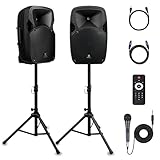
 PRORECK Party 12 Powered PA System
 Amazon Basics 46,000 BTU Patio Heater
 DazzlingStage Wireless Battery Uplights (6)
 Efavormart 8 ft Gold Hexagonal Arch
How to Use This Calculator
Our wedding photography hours calculator helps you determine exactly how much coverage to book. Follow these steps:
- Select your coverage needs: Check the boxes for each wedding moment you want professionally photographed. Each item includes an estimated time allocation.
- Choose photographer tier: Select the experience level that matches your budget and quality expectations.
- Decide on second shooter: Choose whether you want a second photographer for additional coverage and angles.
- Review the results: The calculator shows recommended hours and estimated cost range based on your selections.
Experiment with different combinations to find the right balance of coverage and budget for your wedding.
Understanding Your Results
The calculator provides three key outputs to guide your photography booking:
- Recommended Coverage: The total hours needed to capture all the moments you selected. This is rounded up to the nearest half-hour for practical booking purposes.
- Low Estimate: The minimum cost based on the lower end of your selected photographer tier, plus second shooter if selected.
- High Estimate: The maximum likely cost based on the higher end of your tier, accounting for premium second shooter rates.
- Coverage Breakdown: A detailed list showing which moments are included and their time allocations.
Use these estimates as starting points when requesting quotes from photographers in your area.
Factors That Affect Photography Hours
Several factors influence how much coverage you actually need:
Wedding Size and Complexity
- Guest count: Larger weddings need more time for family portraits, candid coverage, and group shots.
- Multiple venues: Travel between ceremony and reception sites adds 30-60 minutes to your coverage needs.
- Cultural traditions: Religious ceremonies, cultural dances, or special rituals may extend coverage requirements.
Timeline Choices
- First look: Reduces overall hours needed by completing portraits before the ceremony.
- Reception length: Longer dance parties require extended coverage for complete documentation.
- Getting ready locations: Separate locations for both partners require more time or a second photographer.
Tips for Accurate Inputs
Get the most accurate estimate with these guidelines:
- Check your timeline: Walk through your wedding day schedule before selecting coverage options.
- Consider must-haves vs. nice-to-haves: Focus on moments that matter most to you personally.
- Add buffer time: Things always run late on wedding days. Consider adding 30 minutes to your estimate.
- Research local rates: Photography pricing varies significantly by market—get real quotes to validate estimates.
- Evaluate second shooter need: For 75+ guests or two getting-ready locations, a second shooter is highly recommended.
Related Calculators and Resources
Continue planning your wedding with these complementary tools:
- Wedding Budget Calculator - See how photography fits into your overall budget allocation.
- Tip Calculator - Calculate appropriate gratuities for your photography team.
- Guest List Calculator - Finalize guest count to inform photography needs.
- Photographer Cost Guide - Detailed breakdown of photography costs by region and style.
- Ultimate Wedding Budget Guide - Complete budget planning strategies.
How Many Hours of Wedding Photography Do You Really Need?
Deciding on the right amount of photography coverage is one of the most important decisions you'll make when booking your wedding photographer. Too few hours and you might miss crucial moments; too many and you're paying for coverage you don't need. The average wedding requires between 6 and 10 hours of professional photography, but your specific timeline, venue, and priorities will determine exactly what works for you.
Most couples don't realize how quickly time passes on their wedding day. What feels like a five-minute ceremony actually took 45 minutes. That "quick" cocktail hour flew by in just over an hour. A professional wedding photographer needs adequate time not just to capture these moments, but to set up shots, adjust lighting, and ensure every important detail is documented beautifully.

Understanding the Wedding Photography Timeline
Your photography coverage should begin well before you walk down the aisle. Getting-ready photos are some of the most emotional and candid images you'll treasure—the nervous excitement, the helping hands buttoning your dress, the tears when your parent sees you for the first time. These moments deserve professional documentation.
A typical photography timeline breaks down into several distinct segments:
- Getting Ready (1-2 hours): Captures hair and makeup finishing touches, putting on the dress or suit, detail shots of rings, invitations, shoes, and emotional moments with the bridal party
- First Look or Pre-Ceremony (30-60 minutes): If doing a first look, this private moment between the couple creates stunning emotional photos while also allowing more time for portraits before the ceremony
- Pre-Ceremony Portraits (45-90 minutes): Bridal party photos, individual portraits, and couple's photos can be completed before the ceremony, reducing the gap between ceremony and reception
- Ceremony (30-60 minutes): From processional to recessional, every moment is documented including vows, ring exchange, and the first kiss
- Family Portraits (20-45 minutes): Formal family combinations immediately following the ceremony while everyone is gathered
- Cocktail Hour (45-60 minutes): Candid guest photos, detail shots of cocktail arrangements, and additional couple portraits
- Reception (3-4 hours): Grand entrance, first dance, parent dances, toasts, dinner, cake cutting, bouquet toss, dancing, and departure
Pro Tip: The First Look Advantage
Couples who choose a first look often need 1-2 fewer hours of photography coverage because they complete portraits before the ceremony rather than during cocktail hour. This also means you can enjoy cocktail hour with your guests instead of rushing through photos.
What Photographers Capture at Each Wedding Stage
During Getting Ready
This portion of the day is all about storytelling. Your photographer will capture the dress hanging in beautiful window light, the invitation suite arranged artfully with your rings, and the candid moments of your bridal party helping you prepare. These photos require good natural light and an uncluttered space, so communicate with your photographer about the best setup.
The getting-ready phase typically includes shots of makeup and hair being completed, the bride stepping into the dress, buttons being fastened, jewelry being clasped, and those teary first-look moments with parents or bridesmaids. For the partner's side, expect photos of suits being put on, cufflinks and watches, nervous anticipation, and bonding moments with groomsmen or family.
The Ceremony Documentation
Every ceremony moment matters, from guests arriving and finding their seats to the officiant taking position. Your photographer needs to capture the processional (each person walking down the aisle), your expressions during vows, the ring exchange, the first kiss, and the triumphant walk back up the aisle as newlyweds. Second shooters are invaluable here—one photographer captures the couple while the other documents guest reactions and alternate angles.
Reception Must-Have Shots
The reception is where your photography coverage really earns its value. A skilled photographer captures the room before guests enter, the grand entrance, every formal dance, speech reactions, cake cutting, and hours of candid dancing photos. They're watching for hugging relatives, laughing friends, and those unscripted moments that become your favorites.

First Look vs. Traditional: Impact on Photography Hours
The decision between a first look and the traditional approach (seeing each other for the first time at the altar) significantly impacts your photography timeline and required hours of coverage.
| Approach | Typical Hours Needed | Advantages |
|---|---|---|
| First Look | 7-9 hours | More relaxed timeline, better lighting for portraits, enjoy cocktail hour |
| Traditional | 8-10 hours | Preserves ceremony surprise, traditional emotional reveal |
With a first look, couples can complete all wedding party and couple portraits before the ceremony when lighting is often optimal. This means cocktail hour is genuinely for cocktails rather than rushing through family photos. Traditional timelines require an extended gap between ceremony and reception for photos, or portrait sessions during cocktail hour while guests wait.
Average Wedding Photography Costs by Coverage Hours
Photography pricing varies dramatically based on experience, market, and included deliverables. Here's what you can expect at different price points and coverage lengths:
| Hours | Budget ($100-150/hr) | Mid-Range ($200-350/hr) | Premium ($400-600/hr) | Luxury ($700+/hr) |
|---|---|---|---|---|
| 4 hours | $400-600 | $800-1,400 | $1,600-2,400 | $2,800+ |
| 6 hours | $600-900 | $1,200-2,100 | $2,400-3,600 | $4,200+ |
| 8 hours | $800-1,200 | $1,600-2,800 | $3,200-4,800 | $5,600+ |
| 10 hours | $1,000-1,500 | $2,000-3,500 | $4,000-6,000 | $7,000+ |
Remember that these base rates typically include only the photographer's time on your wedding day. Most packages also include editing and digital delivery, but additional items like engagement sessions, albums, prints, or second shooters add to the total investment.
Should You Book a Second Shooter?
A second photographer adds $50-150 per hour to your cost but provides invaluable benefits: multiple angles during the ceremony, simultaneous coverage of both partners getting ready, and more candid guest coverage during the reception. For weddings over 100 guests, a second shooter is highly recommended.
Signs You Need More Photography Coverage
Consider booking additional hours if any of these apply to your wedding:
- Large guest list (150+): More guests means more candid moments to capture and longer formal photo combinations
- Multiple venues: Travel time between ceremony and reception sites requires buffer in your coverage
- Elaborate getting-ready plans: Two locations for getting ready, or extended beauty preparations
- Extended reception: Late-night events, after-parties, or sparkler exits require continued coverage
- Important cultural traditions: Tea ceremonies, traditional dances, or religious rituals add time
- No first look planned: Traditional ceremonies require more post-ceremony time for portraits
How to Save on Photography Without Sacrificing Quality
If your budget is tight but photography remains a priority, consider these strategies to get excellent coverage at a lower investment:
- Book essential hours only: Skip getting-ready coverage and have a friend document those moments. Start coverage 30 minutes before the ceremony.
- Do a first look: Complete all portraits before the ceremony to reduce total hours needed.
- End coverage at cake cutting: Dancing photos are fun but not essential. End photography after key reception moments.
- Book a newer photographer: Talented photographers building their portfolios often offer excellent work at lower rates.
- Skip the album: Digital files are the most important deliverable. Add a custom album later when budget allows.
- Choose off-peak dates: Friday or Sunday weddings often come with discounted rates.
Whatever your budget, prioritize finding a photographer whose style resonates with you. The right photographer for 6 hours creates better memories than the wrong one for 10.


