Wedding catering represents one of the largest expenses in your overall budget, typically consuming 30-40% of your total wedding spend. For most couples, the question of how much to budget for food and service is both practical and deeply personal. After all, sharing a meal with loved ones is at the heart of every wedding celebration, from an intimate backyard gathering to a grand ballroom affair.
In 2026, the national average for wedding catering ranges from $70 to $150 per person, though costs can swing dramatically based on your location, service style, menu complexity, and the prestige of your chosen caterer. Understanding what drives these costs empowers you to make informed decisions that align with both your vision and your financial reality.
This comprehensive guide breaks down everything you need to know about wedding catering costs: the different service styles and their price points, what is typically included in catering packages, the hidden fees that catch couples off guard, regional price variations, and proven strategies for maximizing your catering budget without sacrificing quality or guest experience.
Types of Wedding Catering and Their Costs
The style of service you choose significantly impacts your per-person cost. Each approach offers distinct advantages in terms of guest experience, formality, and budget. Understanding these options helps you select the format that best suits your wedding vision and financial constraints. From elegant plated dinners to casual food trucks, modern weddings embrace a wide range of catering styles.
The most formal and traditional option, plated service involves guests selecting their entree in advance, with each course delivered directly to the table by trained servers. This style requires more service staff but creates an elegant, restaurant-quality dining experience that many couples desire for their special day. Plated dinners work best for weddings where you want a refined atmosphere and clear timing between courses. The higher cost reflects the additional labor, precise timing, and individual presentation required. Expect to need one server per eight to ten guests for proper plated service execution.
Buffet-style catering offers variety and flexibility at a more accessible price point. Guests serve themselves from a spread of dishes, allowing them to choose portions and try multiple options. This format requires fewer servers and accommodates diverse dietary preferences naturally. Buffets work particularly well for larger weddings and couples who want a more relaxed, social dining atmosphere where guests can mingle. The tradeoff is less precise portion control and a more casual aesthetic, though elegant buffet presentations can still feel refined. Many couples appreciate that guests can return for seconds of their favorite dishes.
Family-style dining strikes a balance between plated and buffet service. Large platters and bowls are placed at each table, and guests pass dishes around and serve themselves, creating an intimate communal experience. This approach encourages conversation and creates a warm, inviting atmosphere that many couples find appealing for their celebration. It requires less staff than plated service while feeling more intentional and elegant than a buffet line. Family-style works especially well for rustic, garden, and intimate weddings where you want to foster connection among guests who may be meeting for the first time.
Interactive food stations create a dynamic dining experience where guests move between themed stations such as a carving station, pasta bar, sushi station, taco stand, or raw oyster bar. This format encourages mingling and lets guests customize their plates exactly to their preferences. Stations require dedicated staff at each point but offer tremendous variety and entertainment value that guests remember long after the wedding. They work particularly well for cocktail-style receptions and couples who want to showcase culinary creativity or honor different cultural cuisines within their celebration.
Food trucks offer the most budget-friendly catering option while delivering bold flavors and a fun, casual vibe that appeals to modern couples. Popular choices include gourmet tacos, artisan pizza, wood-fired dishes, barbecue, and specialty ethnic cuisine. Most couples hire two to three trucks to provide variety and ensure all dietary preferences are covered. Food trucks work best for outdoor venues with adequate space and couples who prioritize personality over formality. Keep in mind that some venues restrict food truck access, and you will need to arrange separate rentals for tables, chairs, dinnerware, and linens. Despite the lower food cost, total expenses can add up when accounting for these additional rentals.
"The right catering style is the one that reflects your relationship and makes your guests feel celebrated. A beautifully executed taco bar can be just as memorable as a five-course plated dinner when it is authentic to who you are as a couple."
As an Amazon Associate, we earn from qualifying purchases.
Reception Dining Essentials
 Champagne Flutes Set
 Wedding Planner Book
 LED String Lights
 Eucalyptus Table Garland
The four rentals worth buying instead
Most wedding advice is about trimming the flowers. These four are the line items where buying outright costs less than one night of hire, and three of them resell afterwards.
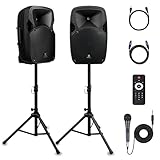 PRORECK Party 12 Powered PA System
A DJ is one of the biggest line items on any wedding budget. If someone you know can run a playlist, this is the difference between hiring one and not.
See it on Amazon →
PRORECK Party 12 Powered PA System
A DJ is one of the biggest line items on any wedding budget. If someone you know can run a playlist, this is the difference between hiring one and not.
See it on Amazon →
 Amazon Basics 46,000 BTU Patio Heater
Outdoor evening receptions live or die on this. Renting three for a night often costs more than buying two.
See it on Amazon →
Amazon Basics 46,000 BTU Patio Heater
Outdoor evening receptions live or die on this. Renting three for a night often costs more than buying two.
See it on Amazon →
 DazzlingStage Wireless Battery Uplights (6)
Battery uplights need no cable runs, so a venue that bans taped-down leads still lets you use them. The cheapest thing that changes how a room photographs.
See it on Amazon →
DazzlingStage Wireless Battery Uplights (6)
Battery uplights need no cable runs, so a venue that bans taped-down leads still lets you use them. The cheapest thing that changes how a room photographs.
See it on Amazon →
 Efavormart 8 ft Gold Hexagonal Arch
Heavy-duty metal rated to 100 lbs, and it resells afterwards, which is the part hiring one never does.
See it on Amazon →
Efavormart 8 ft Gold Hexagonal Arch
Heavy-duty metal rated to 100 lbs, and it resells afterwards, which is the part hiring one never does.
See it on Amazon →
As an Amazon Associate we earn from qualifying purchases. Prices and availability change; check before you buy.
What Is Typically Included in Catering Costs
Understanding what your catering quote covers prevents surprises and helps you compare vendors accurately. While packages vary considerably between caterers and regions, most professional wedding caterers include the following components in their per-person pricing structure.
Food and Beverage
The core of your catering package includes all food preparation, from appetizers and salads through the main course and sometimes dessert. Most caterers source ingredients, handle all prep work in their commercial kitchens, transport everything to your venue, and manage final preparation and plating on site. Some packages include basic bar service such as beer, wine, and soft drinks, while premium bar packages with liquor typically cost extra. Cocktail hour appetizers may be included or priced separately depending on the caterer and package tier you select.
Service Staff
Professional catering includes trained service personnel: servers, bartenders, captains, and sometimes a dedicated event manager who serves as your point of contact throughout the reception. The industry standard is roughly one server per ten to twelve guests for buffet service and one per eight to ten guests for plated meals. Staff handle everything from setting up the buffet to clearing plates, managing the bar, coordinating with your DJ or planner on timing, and ensuring guests have everything they need. Labor typically represents 30-40% of your total catering cost, which explains why service style significantly impacts pricing.
Basic Rentals
Many caterers include standard serviceware in their packages: dinner plates, salad plates, flatware, water glasses, wine glasses, and basic linens such as white tablecloths and napkins. This saves couples the hassle and cost of renting separately from a third-party vendor. However, specialty items like colored linens, charger plates, gold flatware, specialty glassware, or custom napkins usually incur additional rental fees. Always clarify exactly what dinnerware and linens are included before signing a contract so you can budget for upgrades if desired.
Setup and Breakdown
Professional caterers arrive hours before your event to set up food stations, arrange buffet displays, chill beverages, and prepare the space for your guests. After the reception concludes, they handle complete breakdown, packing all equipment, removing trash, and leaving the space clean according to venue requirements. This end-to-end service is particularly valuable at venues that charge cleanup fees or require vendors to depart by specific times. Setup and breakdown labor is typically built into the per-person price rather than itemized separately.
Hidden Wedding Catering Costs to Watch For
Beyond the per-person quote, several additional charges can significantly impact your final catering bill. Savvy couples ask about these fees upfront and factor them into budget planning from the beginning. A quote that initially looks affordable can increase by 25-35% once these additions are factored in.
- Cake cutting fee: $1-$3 per slice charged by caterers to plate and serve wedding cake brought from an outside bakery. This covers staff time, plates, and cleanup.
- Corkage fee: $15-$35 per bottle for opening and serving wine or champagne you provide rather than purchasing through the caterer. Some venues prohibit outside alcohol entirely.
- Service charge: 18-22% added to subtotal for administrative costs and coordination. This is different from gratuity and often non-negotiable.
- Gratuity: 15-20% for service staff, sometimes included in service charge, sometimes billed separately. Clarify whether tips are expected beyond the service charge.
- Overtime fees: $200-$500 per hour if your reception runs beyond contracted end time. Staff costs add up quickly for unplanned extensions.
- Vendor meals: $25-$50 per meal for photographer, DJ, videographer, planner, and other vendors who will be present throughout your reception.
- Tastings: Some caterers charge $50-$200 for tastings, though this is often credited toward your final booking.
- Delivery and transport: $200-$500 for venues more than 30-45 minutes from the caterer's kitchen or requiring special logistics.
- Kitchen rental: Some venues without proper kitchen facilities charge caterers a fee that gets passed to you as the client.
Always request a fully itemized quote that includes all fees, service charges, gratuity, and applicable taxes. A $100 per-person quote might actually cost $125-$140 per guest once service charges, gratuity, and taxes are added. Comparing bottom-line totals rather than base per-person prices gives you accurate vendor comparisons.
Regional Wedding Catering Price Variations
Where you get married significantly impacts catering costs. Urban areas and popular wedding destinations command premium prices due to higher labor costs, real estate expenses, and competition for top talent. Understanding regional pricing helps set realistic expectations for your market and may influence your venue selection strategy.
| Region or City | Average Per Person | Typical Range |
|---|---|---|
| New York City | $175 | $125 - $350+ |
| San Francisco Bay Area | $165 | $120 - $300+ |
| Los Angeles | $145 | $100 - $275+ |
| Chicago | $125 | $85 - $225+ |
| Miami | $130 | $90 - $240+ |
| Boston | $140 | $95 - $260+ |
| Denver | $105 | $70 - $180+ |
| Atlanta | $95 | $65 - $165+ |
| Dallas and Austin | $90 | $60 - $150+ |
| Midwest Average | $75 | $50 - $130+ |
| Southeast Average | $70 | $45 - $125+ |
These regional differences reflect variations in labor costs, real estate expenses, ingredient sourcing logistics, and local market competition. A caterer in Manhattan pays significantly more for kitchen space, insurance, staff wages, and parking than one in Nashville, and those operational costs are reflected in client pricing. Couples willing to host their wedding in a lower-cost region, or even just outside major city limits, can achieve significant savings without sacrificing food quality or service excellence.
Calculate Your Catering Budget
Use our free catering calculator to estimate costs based on your guest count, service style, and location.
Calculate Catering CostsHow to Save on Wedding Catering
Catering is often the largest single expense in a wedding budget, making it a prime target for strategic cost reduction. These proven strategies help couples save money while still serving memorable food that delights their guests.
Choose a Brunch or Lunch Reception
Daytime receptions cost 20-30% less than dinner service across the board. Brunch menus feature less expensive proteins like eggs, bacon, and salmon, and guests drink less alcohol earlier in the day which reduces bar costs substantially. A 2 PM reception with heavy appetizers and food stations can feel elegant and complete without the price tag of a full seated dinner service. As a bonus, daytime celebrations often photograph beautifully in natural light, potentially reducing photography needs as well.
Opt for Buffet Over Plated Service
Buffet service typically costs $20-$50 less per person than plated meals due to reduced labor requirements. Guests appreciate the variety and ability to control their own portions, and the more relaxed format encourages mingling throughout the meal. If you love the formality of plated but want to save, consider plated appetizers and salad with a buffet main course, which creates structure while reducing peak staffing needs.
Limit the Bar
A full open bar with premium liquor can add $40-$80 per person to your total. Beer and wine only reduces bar costs to $15-$30 per person. Consider offering a signature cocktail as a special personalized touch without providing a complete bar menu. Many couples also find that consumption-based bar pricing, where you pay only for what guests actually drink, saves money compared to per-person packages, especially for afternoon events or crowds with lighter drinking habits.
Reduce the Guest Count
The most direct way to reduce catering costs is inviting fewer people. Each guest you cut saves $100-$200 or more in combined food, drink, and rental expenses. Before inflating your list with distant relatives and casual acquaintances, consider whether each invitation is worth the per-head cost. Use our Guest List Calculator to see the financial impact of different guest count scenarios.
Choose Seasonal and Local Ingredients
Work with your caterer to build a menu around ingredients that are abundant during your wedding season and sourced from local farms when possible. A summer wedding featuring heirloom tomatoes, fresh corn, and local berries costs less than one requiring out-of-season imports flown in from distant regions. Ask your caterer which proteins and produce offer the best value and quality at your wedding time of year.
Skip Extra Courses
A traditional five-course meal with intermezzo, soup, salad, entree, and dessert costs significantly more than a streamlined menu. Most guests are genuinely satisfied with a cocktail hour, one salad course, an entree with sides, and wedding cake. Eliminating the soup course or intermezzo can save $8-$15 per person without guests feeling shortchanged or underfed.
Negotiate During Off-Peak Season
Caterers have more flexibility on pricing during slower months like January through March when wedding bookings decline. They may offer discounts, complimentary upgrades, additional passed appetizers, or waived fees to secure business during the off-season. Friday and Sunday weddings also provide negotiating leverage since caterers prefer to fill their calendars with events on traditionally slower days.
Essential Questions to Ask Wedding Caterers
Before booking a caterer, ask these questions to ensure you understand exactly what you are paying for and avoid unwelcome surprises. Document all answers in writing and ensure they match what appears in your final contract.
Pricing and Packages
- What is your per-person price, and what does that include specifically?
- Are there service charges, gratuity, or administrative fees beyond the per-person price?
- What is your minimum guest count or minimum spending requirement?
- Are tastings complimentary or credited toward the final booking?
- What is your overtime rate if the reception runs past the contracted time?
- Do prices change for different days of the week or times of year?
Menu and Dietary Needs
- Can you accommodate vegetarian, vegan, gluten-free, and allergy-restricted diets?
- Are menu substitutions possible if we want to customize our selections?
- How do you handle children's meals, and what is the pricing?
- What is the cost difference between various protein options?
- Can we see sample menus from recent weddings in our price range?
- Do you source ingredients locally, and can you work with seasonal menus?
Logistics and Service
- How many servers and bartenders will you provide for our guest count?
- Have you worked at our venue before, and are you familiar with its kitchen facilities?
- What time will your team arrive for setup, and when will breakdown be complete?
- Do you provide rentals such as tables, chairs, and linens, or will we need a separate vendor?
- What is your backup plan if a key team member is sick on the wedding day?
- Will you be handling other events that same day, and how does that affect staffing?
Policies and Contracts
- What is your payment schedule and deposit requirement?
- When is the final guest count due, and how much flexibility is there afterward?
- What is your cancellation and refund policy?
- Do you carry liability insurance and all required permits and licenses?
- Can we see a sample contract before making any commitment?
- Who will be the on-site manager during our wedding reception?
Verbal promises that are not documented in the contract offer no protection if issues arise. Take detailed notes during consultations and request email confirmations of any special arrangements or accommodations discussed.
Plan Your Complete Wedding Budget
Catering is just one piece of the puzzle. Get a personalized breakdown of all wedding costs with our free calculator.
Start Budget Calculator