Planning a wedding is one of life's most exciting journeys—but without a solid budget, it can quickly become overwhelming. This comprehensive guide covers everything you need to know about wedding costs in 2026, from national averages to category-by-category breakdowns, money-saving strategies, and those sneaky hidden costs that catch couples off guard.
Whether you're planning an intimate elopement or a grand celebration, understanding the financial landscape of modern weddings will help you make informed decisions and allocate your resources where they matter most to you.
- 1. Average Wedding Costs in 2026
- 2. The Standard Wedding Budget Breakdown
- 3. How to Set Your Wedding Budget
- 4. Hidden Wedding Costs to Plan For
- 5. 15 Money-Saving Strategies That Actually Work
- 6. Payment Timeline: When to Pay Vendors
- 7. State-by-State Wedding Cost Comparison
- 8. How Wedding Season Affects Your Budget
- 9. Common Budget Mistakes to Avoid
- 10. Related Resources and Tools
- 11. Final Thoughts

The four rentals worth buying instead
Most wedding advice is about trimming the flowers. These four are the line items where buying outright costs less than one night of hire, and three of them resell afterwards.
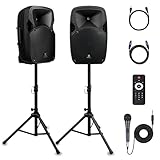 PRORECK Party 12 Powered PA System
A DJ is one of the biggest line items on any wedding budget. If someone you know can run a playlist, this is the difference between hiring one and not.
See it on Amazon →
PRORECK Party 12 Powered PA System
A DJ is one of the biggest line items on any wedding budget. If someone you know can run a playlist, this is the difference between hiring one and not.
See it on Amazon →
 Amazon Basics 46,000 BTU Patio Heater
Outdoor evening receptions live or die on this. Renting three for a night often costs more than buying two.
See it on Amazon →
Amazon Basics 46,000 BTU Patio Heater
Outdoor evening receptions live or die on this. Renting three for a night often costs more than buying two.
See it on Amazon →
 DazzlingStage Wireless Battery Uplights (6)
Battery uplights need no cable runs, so a venue that bans taped-down leads still lets you use them. The cheapest thing that changes how a room photographs.
See it on Amazon →
DazzlingStage Wireless Battery Uplights (6)
Battery uplights need no cable runs, so a venue that bans taped-down leads still lets you use them. The cheapest thing that changes how a room photographs.
See it on Amazon →
 Efavormart 8 ft Gold Hexagonal Arch
Heavy-duty metal rated to 100 lbs, and it resells afterwards, which is the part hiring one never does.
See it on Amazon →
Efavormart 8 ft Gold Hexagonal Arch
Heavy-duty metal rated to 100 lbs, and it resells afterwards, which is the part hiring one never does.
See it on Amazon →
As an Amazon Associate we earn from qualifying purchases. Prices and availability change; check before you buy.
Average Wedding Costs in 2026
The average wedding cost in the United States in 2026 is approximately $35,000, according to industry surveys and wedding planning platforms. However, this number tells only part of the story—wedding costs vary dramatically based on location, guest count, and the choices you make.
"The 'right' wedding budget is whatever allows you to start your marriage without financial stress. A $10,000 wedding celebrated with your closest people is just as valid as a $100,000 affair."
Major metropolitan areas consistently see higher costs. Weddings in New York City average $55,000-$70,000, while San Francisco and Los Angeles hover around $45,000-$55,000. Conversely, couples in the Midwest and South often find beautiful venues and talented vendors at significantly lower price points—think $20,000-$28,000 for comparable celebrations.
Use our Wedding Cost by State calculator to see specific averages for your location.
As an Amazon Associate, we earn from qualifying purchases.
Top-Rated Wedding Essentials
 Wedding Planner & Organizer
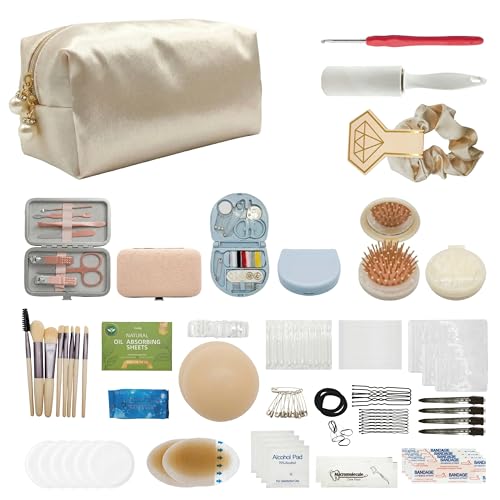 Bridal Emergency Kit
 LED Fairy Lights (100ft)
 Champagne Flutes Set
The Standard Wedding Budget Breakdown
Industry experts have developed standard percentage allocations based on thousands of real weddings. While your priorities may differ, these percentages provide a solid starting framework:
| Category | Percentage | $30K Budget | $50K Budget |
|---|---|---|---|
| Venue & Catering | 45-50% | $13,500-$15,000 | $22,500-$25,000 |
| Photography & Video | 10-12% | $3,000-$3,600 | $5,000-$6,000 |
| Flowers & Decor | 8-10% | $2,400-$3,000 | $4,000-$5,000 |
| Music & Entertainment | 8-10% | $2,400-$3,000 | $4,000-$5,000 |
| Attire & Beauty | 8-10% | $2,400-$3,000 | $4,000-$5,000 |
| Stationery | 2-3% | $600-$900 | $1,000-$1,500 |
| Transportation | 2-3% | $600-$900 | $1,000-$1,500 |
| Favors & Gifts | 2-3% | $600-$900 | $1,000-$1,500 |
| Officiant | 1% | $300 | $500 |
| Buffer/Miscellaneous | 5-8% | $1,500-$2,400 | $2,500-$4,000 |
Create your personalized breakdown with our Wedding Budget Calculator, which lets you adjust percentages based on your unique priorities.
How to Set Your Wedding Budget
Before diving into Pinterest boards and venue tours, take time to establish a realistic budget. Here's a practical approach:
Step 1: Assess Your Financial Reality
Start with what you have available without going into debt. Consider current savings, what you can reasonably save between now and the wedding, and any family contributions (have these conversations early).
Step 2: Determine Your Non-Negotiables
Every couple has different priorities. Some must have an incredible photographer; others prioritize a live band. List your top three "must-haves" and be prepared to allocate more to these categories while trimming elsewhere.
Step 3: Set a Guest Count
Your guest count is the single biggest driver of cost. Each additional guest adds $150-$300+ in per-person expenses (food, drinks, rentals, favors). Use our Guest List Calculator to understand the full impact.
Step 4: Research Local Costs
Before finalizing your budget, research actual vendor prices in your area. A $5,000 photography budget is generous in some markets and limiting in others. Our Cost by State tool provides regional guidance.
Ready to Plan Your Budget?
Use our free calculator to create a customized budget breakdown based on your total and priorities.
Start CalculatingHidden Wedding Costs to Plan For
Even the most thorough planners get surprised by costs that weren't on their initial radar. Here are the hidden expenses that frequently catch couples off guard:
- Vendor tips: Budget 15-20% of service costs. Use our Tip Calculator.
- Dress alterations: $200-$800 on top of dress cost
- Marriage license: $20-$100 depending on state
- Postage: $200-$400 for save-the-dates, invitations, and thank-yous
- Taxes and service charges: 15-25% added to venue/catering costs
- Vendor meals: $30-$75 per vendor (photographer, DJ, planner, etc.)
- Overtime fees: $200-$500+ per hour if your reception runs long
- Emergency fund: Day-of expenses like tips for unexpected helpers
15 Money-Saving Strategies That Actually Work
Smart couples find ways to create beautiful celebrations without breaking the bank. Here are proven strategies that maintain quality while reducing costs:
- Choose an off-peak date. Friday and Sunday weddings can save 10-30%. Winter months (excluding December) offer similar savings.
- Limit your guest list ruthlessly. The difference between 100 and 150 guests is $7,500-$15,000. Be strategic.
- Use in-season flowers. Work with your florist to choose blooms that are abundant during your wedding month.
- Consider non-traditional venues. Restaurants, parks, and art galleries often cost less than dedicated wedding venues.
- Hire a day-of coordinator instead of a full planner. You'll do the planning legwork but have professional support when it matters most.
- Serve beer and wine only. Skip the full bar to save 30-40% on beverage costs. Use our Alcohol Calculator to plan quantities.
- Order a smaller cake. Have an elaborate cutting cake for photos and serve sheet cake to guests—they taste the same!
- DIY selectively. Centerpieces, welcome signs, and favors are manageable DIY projects. Leave flowers and makeup to pros.
- Skip the videographer. Ask a few guests to capture candid moments, or hire for ceremony only.
- Buy a sample or pre-owned dress. Sample sales and sites like Stillwhite offer designer gowns at 50-70% off.
- Negotiate with venues. Ask about discounts for booking off-peak, mid-week buyouts, or venue-provided services.
- Limit your wedding party. Fewer attendants means fewer bouquets, gifts, and getting-ready logistics.
- Send digital save-the-dates. Reserve your print budget for the formal invitation.
- Consolidate vendors. A photographer who also does video, or a venue that includes catering, often offers package savings.
- Cut the favors. Most guests don't take them anyway. If you must have them, choose something consumable and affordable.
Payment Timeline: When to Pay Your Vendors
Spreading payments over your engagement period makes wedding costs more manageable. Here's a typical payment timeline:
12+ Months Before
- Venue deposit (typically 25-50%)
- Photographer retainer (25-50%)
- Wedding planner retainer
6-9 Months Before
- Catering deposit
- Band/DJ deposit
- Florist retainer
- Dress purchase (full payment usually required)
3-6 Months Before
- Invitations (full payment)
- Videographer deposit
- Hair/makeup trials and deposits
- Transportation deposit
1 Month Before
- Final guest count to caterer
- Final venue payment
- Final catering payment
- All remaining vendor balances
Wedding Week
- Prepare tip envelopes (cash)
- Officiant fee
- Any remaining balances
State-by-State Wedding Cost Comparison
Location significantly impacts wedding costs. Here's how different regions compare to the national average of $35,000:
Most Expensive States
- New York: $55,000 (57% above average)
- New Jersey: $50,000 (43% above)
- Washington D.C.: $48,000 (37% above)
- Hawaii: $48,000 (37% above)
- Massachusetts: $45,000 (29% above)
- California: $45,000 (29% above)
Most Affordable States
- Mississippi: $21,000 (40% below average)
- Arkansas: $22,000 (37% below)
- West Virginia: $22,000 (37% below)
- South Dakota: $22,000 (37% below)
- Alabama: $24,000 (31% below)
- Iowa: $24,000 (31% below)
Get detailed cost breakdowns for your state with our Cost by State calculator.
How Wedding Season Affects Your Budget
When you get married matters almost as much as where. Wedding season—traditionally May through October—sees venues and vendors at peak demand. Understanding seasonal pricing dynamics can save thousands or help you get more value for your money.
Peak Season (May-October)
Summer and early fall months command premium pricing. Venues may charge 20-50% more for Saturday evenings in June, September, and October. Popular vendors book 12-18 months in advance, and you'll have less room to negotiate. However, you'll enjoy longer daylight hours for photography, reliable weather for outdoor celebrations, and guests who expect wedding invitations during this timeframe.
Off-Peak Savings (November-April)
Winter months (excluding December holidays) offer significant savings. Many venues drop rates 15-30% for January through March. Vendors have more availability and may offer discounted packages. November and early December can combine fall colors with better pricing before holiday rush. Just account for weather concerns if planning outdoor elements.
Day of the Week Impact
Saturday evening weddings are the most expensive slot. Friday evenings typically save 10-20% while still allowing guests to celebrate comfortably. Sunday afternoons offer similar savings with brunch or lunch reception options. Thursday weddings can save up to 30-40% but may reduce attendance from guests who can't take time off work.
Strategic Timing Tips
- Book early for peak dates: If you want a Saturday in October, start looking 15-18 months ahead
- Consider shoulder months: Early May and late October often have lovely weather with slightly lower demand
- Holiday weekends: These can go either way—some venues charge more, others discount to attract bookings when many people travel
- Check local events: Avoid weekends with major local festivals, football games, or conventions that spike hotel rates
Common Wedding Budget Mistakes to Avoid
Even careful planners fall into these budget traps. Recognizing them early helps you avoid expensive lessons learned the hard way.
Mistake #1: Setting Your Budget After Falling in Love with a Venue
Touring venues before establishing a firm budget leads to heartbreak or overspending. You'll compare everything to that first dream venue, and budget-friendly options will feel like settling. Set your numbers first, then only tour venues within your range.
Mistake #2: Underestimating Per-Person Costs
A "small" difference of $25 per person multiplied by 150 guests equals $3,750—enough for a videographer or band upgrade. Every per-person decision compounds. Use our Guest List Calculator to see the true impact of each additional attendee.
Mistake #3: Forgetting Taxes and Service Charges
A $12,000 venue quote can become $15,000+ after service charges (20-25%) and sales tax (6-10%). Always ask for all-in pricing before committing. Some venues include these in quotes; others don't reveal them until contract time.
Mistake #4: Not Reading the Fine Print on Overtime
Reception running long? Many vendors charge $200-500+ per hour for overtime, and venues may have hard stop times with steep penalties. Know your overtime costs before assuming you can "just pay extra" if the party's going strong.
Mistake #5: Cutting the Buffer Too Early
That 5-10% contingency fund isn't extra money to spend on upgrades. Unexpected costs arise in every wedding. Keep the buffer intact until the final weeks, then reallocate what's genuinely unused.
Mistake #6: DIYing Everything to "Save Money"
DIY sounds budget-friendly but often costs more in materials, time, and stress than anticipated. A DIY centerpiece project requiring 20 hours of your time might not be worth it compared to a florist's simpler design. Choose DIY projects strategically.
Mistake #7: Ignoring Payment Timeline Pressure
Vendor payments cluster at certain points (deposits 12 months out, final payments 1 month before). Couples who don't track payment schedules face cash flow crunches. Map every payment date as soon as you sign contracts.
- Create a dedicated wedding savings account: Separate from your regular finances to track progress clearly
- Track every expense immediately: Small purchases add up fast and slip through the cracks
- Get quotes in writing: Verbal estimates change; written quotes are commitments
- Calculate all-in costs: Add taxes, tips, and fees to every vendor quote before comparing
- Review spending weekly: Monthly reviews allow overspending to compound before you notice
- Assign one person as budget keeper: Too many cooks create tracking chaos
- Say no without guilt: Not every upgrade is worth it, even if you can technically afford it
- Build in small treats: Allowing occasional splurges prevents budget fatigue and resentment
Related Resources and Planning Tools
Continue your wedding planning journey with these comprehensive resources:
- Wedding Budget Calculator — Build your personalized budget breakdown
- Guest List Calculator — Understand the per-guest cost impact
- Alcohol Calculator — Plan bar quantities and costs
- Tip Calculator — Budget for vendor gratuities
- Cost by State — See regional pricing differences
- Wedding Setup Shopping Lists - Ready-to-shop decor kit, emergency kit, and budget reception lists with prices
Related Guides
- Wedding Budget Breakdown — Detailed percentage allocations explained
- How Wedding Costs Are Calculated — Understand vendor pricing structures
- Why Weddings Are Expensive — Economic forces behind wedding costs
- Wedding Planning Timeline — Month-by-month checklist
- Destination Wedding Guide — Special budget considerations for weddings abroad
Budget-Specific Resources
- $10,000 Wedding Budget — Sample allocation for budget-friendly celebrations
- $20,000 Wedding Budget — Mid-range budget breakdown
- $30,000 Wedding Budget — Average budget allocation
- All Budget Guides — Complete collection of budget-specific resources
Final Thoughts: Making Your Budget Work for You
Remember that your wedding budget is a tool, not a limitation. The most memorable weddings aren't always the most expensive—they're the ones where couples made intentional choices that reflected their values and relationship.
Start by being honest about what you can afford, prioritize ruthlessly, plan for hidden costs, and don't be afraid to break "rules" that don't serve you. Skip the favors if you'd rather have a better band. Choose pizza over filet if your crowd will love it. Your wedding, your way.
The couples who feel best about their weddings—both during planning and after—are those who established clear priorities, communicated openly about money, and never lost sight of what actually mattered: celebrating their love surrounded by the people they care about most.
Start Planning Your Wedding Budget
Use our suite of free calculators to plan every aspect of your wedding finances.
Get Started Free