Understanding Your Wedding Budget Allocation
A typical wedding budget is divided among several key categories. While the exact percentages can vary based on your priorities and location, this guide provides industry-standard allocations that most couples follow. The percentages below are based on analysis of wedding budgets across North America in 2025-2026.
Your specific breakdown may differ depending on your wedding size, location, guest count, and personal priorities. Use this guide as a starting point and adjust based on what matters most to you.
Why Budget Percentages Matter
Budget percentages aren't arbitrary—they reflect the economic realities of wedding services. Venue and catering consume the largest share because they involve the most labor, space, and materials per guest. Photography costs less overall but still represents significant expertise. Understanding these proportions helps you evaluate vendor quotes, identify areas where you're overspending, and make strategic trade-offs.
These percentages also help prevent a common planning mistake: allocating too much early to emotionally exciting categories (dress, decor) and running short on essential services (catering, photography) that affect every guest's experience. Following percentage guidelines ensures balanced spending that creates a cohesive celebration.
How to Use This Guide
Start with your total budget and calculate the dollar amount for each category using the percentages provided. For example, with a $35,000 budget, catering (25-30%) suggests $8,750-10,500 as your target range. Use these targets when requesting quotes and evaluating proposals.
Remember: these are guidelines, not rules. If photography matters deeply to you, allocate 15% instead of 10%—just reduce another category proportionally. The goal is intentional spending aligned with your priorities, not rigid adherence to averages.
As an Amazon Associate, we earn from qualifying purchases.
Wedding Budget Essentials
 Wedding Planner & Organizer
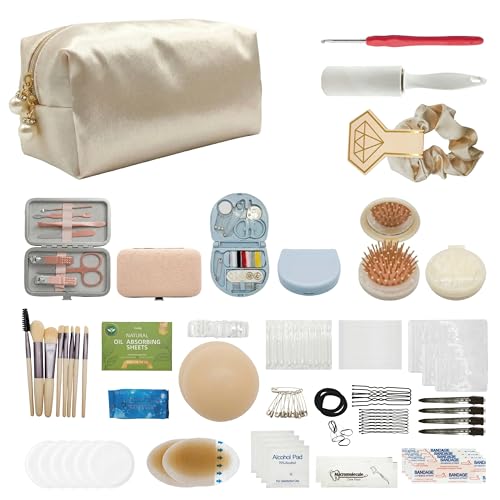 Bridal Emergency Kit
 LED String Lights (100ft)
 Champagne Flutes Set
The four rentals worth buying instead
Most wedding advice is about trimming the flowers. These four are the line items where buying outright costs less than one night of hire, and three of them resell afterwards.
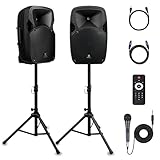 PRORECK Party 12 Powered PA System
A DJ is one of the biggest line items on any wedding budget. If someone you know can run a playlist, this is the difference between hiring one and not.
See it on Amazon →
PRORECK Party 12 Powered PA System
A DJ is one of the biggest line items on any wedding budget. If someone you know can run a playlist, this is the difference between hiring one and not.
See it on Amazon →
 Amazon Basics 46,000 BTU Patio Heater
Outdoor evening receptions live or die on this. Renting three for a night often costs more than buying two.
See it on Amazon →
Amazon Basics 46,000 BTU Patio Heater
Outdoor evening receptions live or die on this. Renting three for a night often costs more than buying two.
See it on Amazon →
 DazzlingStage Wireless Battery Uplights (6)
Battery uplights need no cable runs, so a venue that bans taped-down leads still lets you use them. The cheapest thing that changes how a room photographs.
See it on Amazon →
DazzlingStage Wireless Battery Uplights (6)
Battery uplights need no cable runs, so a venue that bans taped-down leads still lets you use them. The cheapest thing that changes how a room photographs.
See it on Amazon →
 Efavormart 8 ft Gold Hexagonal Arch
Heavy-duty metal rated to 100 lbs, and it resells afterwards, which is the part hiring one never does.
See it on Amazon →
Efavormart 8 ft Gold Hexagonal Arch
Heavy-duty metal rated to 100 lbs, and it resells afterwards, which is the part hiring one never does.
See it on Amazon →
As an Amazon Associate we earn from qualifying purchases. Prices and availability change; check before you buy.
Budget Percentage Breakdown
| Category | Typical Percentage | Average Cost (for $50,000 budget) |
|---|---|---|
| Venue & Catering | 65-75% | $32,500 - $37,500 |
| Venue Rental | 20-25% | $10,000 - $12,500 |
| Catering & Bar | 45-50% | $22,500 - $25,000 |
| Photography & Videography | 8-12% | $4,000 - $6,000 |
| Florals & Decorations | 5-8% | $2,500 - $4,000 |
| Music & Entertainment | 3-5% | $1,500 - $2,500 |
| Wedding Dress & Attire | 3-5% | $1,500 - $2,500 |
| Invitations & Stationery | 1-2% | $500 - $1,000 |
| Miscellaneous & Contingency | 5-10% | $2,500 - $5,000 |
Detailed Category Breakdown
Venue & Catering
65-75% of budgetThe largest portion of your budget typically goes to the venue rental and food & beverage. This includes the rental space, tables, chairs, and all catering costs including appetizers, dinner, desserts, and beverages.
Photography & Videography
8-12% of budgetProfessional photography captures your special moments. Budget includes photographer fees, videographer (if desired), engagement photos, and album creation. Quality photography is worth the investment.
Florals & Decorations
5-8% of budgetIncludes bridal bouquet, ceremony arrangements, centerpieces, and decorative elements throughout your venue. Consider seasonal flowers and DIY options to manage costs.
Music & Entertainment
3-5% of budgetDJ or live band for reception, ceremony musicians, and entertainment elements. This category can be adjusted significantly based on your preferences for music versus other entertainment.
Wedding Attire
3-5% of budgetWedding dress, groom's suit, alterations, and wedding party attire. This varies greatly depending on designer choices and the number of attendants.
Miscellaneous & Contingency
5-10% of budgetInvitations, thank you cards, favors, tips, transportation, accommodations for out-of-town guests, and unexpected expenses. Always keep a contingency fund.
Breaking Down Venue & Catering in Detail
Since venue and catering represent 65-75% of your budget, here's a deeper breakdown:
- Venue Rental: 20-25% - Space rental, tables, chairs, linens, basic lighting
- Catering Labor: 10-15% - Chef, servers, bartenders, kitchen staff
- Food & Beverage: 35-40% - Actual cost of food, drinks, and service
- Service Charges & Gratuity: 5-10% - Staff tips and automatic service charges
Photography & Videography Explained
The 8-12% photography allocation covers professional documentation of your day. This includes:
- Primary photographer: 60-70% of photography budget - Main coverage and artistic direction
- Second shooter (if included): 15-20% - Additional angles and simultaneous coverage
- Engagement session: 10-15% - Pre-wedding portraits often bundled in packages
- Albums and prints: Variable - Often à la carte, can add significant cost
Videography, if included, typically costs 60-80% of your photography budget. Many couples prioritize photography and skip videography to stay within budget, though highlight reels have become increasingly popular as a middle-ground option.
Florals and Decorations Deep Dive
The 5-8% floral allocation covers more than just bouquets:
- Personal flowers: 25-30% - Bridal bouquet, attendant bouquets, boutonnieres, corsages
- Ceremony flowers: 15-25% - Altar arrangements, aisle decor, arch florals
- Reception centerpieces: 35-45% - Table arrangements, often the largest floral expense
- Accent pieces: 10-15% - Cake flowers, bathroom flowers, lounge area arrangements
Floral costs vary dramatically by season, bloom type, and style. In-season local flowers cost 30-50% less than imported or out-of-season varieties. Couples can significantly reduce this category by using greenery-heavy designs, choosing in-season blooms, or incorporating non-floral elements like candles and lanterns.
Budget Tips & Strategies
Smart Allocation Strategies
- Prioritize what matters most to you and allocate accordingly
- Consider having a smaller guest list to increase per-person catering quality
- Choose an off-season wedding to reduce venue and catering costs
- Hire a photographer for ceremony and family photos only, not full coverage
- Use seasonal and local flowers to reduce floral costs
- Create a detailed budget spreadsheet and track all expenses
- Allocate 10% of your budget as contingency for unexpected costs
- Get everything in writing and understand cancellation policies
Cost-Saving Ideas by Category
- Venue: Choose a free or low-cost venue (garden, beach, family property)
- Catering: Brunch or lunch receptions typically cost less than dinner
- Photography: Hire emerging photographers or shorter coverage hours
- Flowers: Skip elaborate arrangements; use greenery and candles for decoration
- Music: Create playlists instead of hiring a DJ
- Attire: Consider non-traditional options or rent your wedding dress
Detailed Vendor Negotiation Strategies
Effective negotiation can reduce your total wedding cost by 10-20%. Here's how to approach each category:
Venue Negotiation: Ask about off-peak pricing (Sundays, Fridays, winter months), minimum spend reductions, and included items. Many venues will negotiate on rental fees, especially for dates they're struggling to fill. Inquire about late availability discounts if you're planning a shorter engagement.
Catering Negotiation: Request itemized quotes to understand exactly what you're paying for. Ask about per-person rate reductions for larger groups, whether the same meal can be prepared with less expensive proteins, and if service charges are negotiable. Some caterers offer discounts for referring other clients.
Photography Negotiation: While photographers rarely discount their day rates, you may negotiate on deliverables. Ask for additional hours at reduced rates, extra edited images, or included engagement sessions. Many photographers offer payment plans that ease cash flow.
Floral Negotiation: Florists have the most flexibility based on bloom selection. Ask them to design within your budget using whatever flowers are in-season and abundant. Request centerpieces be designed to do double-duty (ceremony to reception). Ask about discounts for ordering all flowers from one vendor.
Budget Breakdown Examples
See how these percentages translate to actual dollar amounts at different budget levels:
$20,000 Budget Breakdown
| Category | Percentage | Amount |
|---|---|---|
| Venue & Catering | 50% | $10,000 |
| Photography | 12% | $2,400 |
| Attire & Beauty | 8% | $1,600 |
| Flowers & Decor | 6% | $1,200 |
| Music/DJ | 5% | $1,000 |
| Invitations | 3% | $600 |
| Officiant | 2% | $400 |
| Transportation | 2% | $400 |
| Favors & Gifts | 2% | $400 |
| Contingency | 10% | $2,000 |
At the $20,000 level, couples typically host 50-75 guests and make trade-offs like choosing buffet over plated service, limiting floral arrangements, or selecting a DJ over a live band.
$35,000 Budget Breakdown
| Category | Percentage | Amount |
|---|---|---|
| Venue & Catering | 48% | $16,800 |
| Photography & Video | 12% | $4,200 |
| Attire & Beauty | 7% | $2,450 |
| Flowers & Decor | 8% | $2,800 |
| Music/Entertainment | 5% | $1,750 |
| Invitations & Paper | 3% | $1,050 |
| Officiant & Ceremony | 2% | $700 |
| Transportation | 3% | $1,050 |
| Favors & Gifts | 2% | $700 |
| Contingency | 10% | $3,500 |
The $35,000 budget allows for 80-120 guests with more flexibility in vendor selection. Couples can typically afford mid-range photographers, fuller floral designs, and quality catering options.
$50,000 Budget Breakdown
| Category | Percentage | Amount |
|---|---|---|
| Venue & Catering | 45% | $22,500 |
| Photography & Video | 12% | $6,000 |
| Attire & Beauty | 6% | $3,000 |
| Flowers & Decor | 10% | $5,000 |
| Music/Entertainment | 6% | $3,000 |
| Invitations & Paper | 3% | $1,500 |
| Officiant & Ceremony | 2% | $1,000 |
| Transportation | 3% | $1,500 |
| Favors & Gifts | 3% | $1,500 |
| Contingency | 10% | $5,000 |
At $50,000, couples can host 100-150 guests with premium vendor options including experienced photographers, substantial floral designs, and the choice between quality DJ or live band entertainment.
Common Budget Mistakes to Avoid
Mistake #1: Underestimating Hidden Costs
Service charges (18-24% on catering), taxes (7-10%), and gratuities add 25-35% to quoted prices. A $15,000 catering quote becomes $19,500-20,000 after these additions. Always ask vendors for "all-in" pricing that includes these fees.
Mistake #2: Forgetting Pre-Wedding Expenses
Engagement parties, bridal showers, bachelor/bachelorette trips, rehearsal dinners, and wedding party gifts add up quickly. These events can cost $3,000-10,000 beyond your wedding day budget. Include them in your overall planning.
Mistake #3: Emotional Early Spending
Many couples overspend on dress, rings, or decor early in planning, leaving insufficient funds for catering or photography. Commit to percentages before shopping, not after falling in love with something expensive.
Mistake #4: Skipping the Contingency Fund
Unexpected costs arise in nearly every wedding: last-minute rentals, vendor overtime, weather backup plans, forgotten items. A 10% contingency fund prevents budget crisis. If unused, it's a lovely honeymoon upgrade.
Mistake #5: Not Tracking Spending in Real-Time
Without ongoing tracking, couples often discover overspending too late to adjust. Use a spreadsheet or budgeting app to track deposits, payments, and remaining balances by category throughout planning.
Mistake #6: Ignoring Regional Cost Variations
Wedding costs vary dramatically by location. A $30,000 budget creates a luxury wedding in rural areas but a modest one in major cities. Research local vendor pricing before setting your budget.
Frequently Asked Questions
The average wedding budget in 2026 ranges from $33,000 to $50,000 in North America, depending on location and guest count. However, many couples spend less by carefully prioritizing expenses. Use our calculator to determine a realistic budget based on your guest count and preferences.
Absolutely! Many beautiful, meaningful weddings are created with budgets under $20,000. Focus on what matters most (venue, food, photography) and be creative with other elements. Smaller guest lists, daytime events, and off-season dates all help reduce costs significantly.
Both are important in different ways. Catering affects your guests' experience during the event, while photography preserves memories forever. Most couples allocate significantly more to catering (45-50%) than photography (8-12%), but this should reflect your personal priorities. If you want amazing photos, allocate more to that category.
Most wedding professionals recommend allocating 10% of your total budget as a contingency fund. This covers unexpected costs like rush deliveries, last-minute additions, or price increases from your vendors. This ensures you're not caught off-guard by unexpected expenses.
Consider not compromising on: quality of catering and bar service (guests remember meals and drinks), venue location and condition, and professional photography. These tend to have the biggest impact on guest experience and lasting memories. You can save on decorations and entertainment by getting creative.
Use our Wedding Budget Calculator to track all expenses in one place. Alternatively, create a detailed spreadsheet with categories, estimated costs, actual costs, and vendor information. Update it regularly as you book vendors and make purchases. This keeps you accountable and helps identify areas where you can save.
Get Started With Your Budget
Creating a wedding budget doesn't have to be overwhelming. Start with these industry-standard percentages as a guide, then adjust based on your priorities and the elements that matter most to you and your partner.
Use our Wedding Budget Calculator to input your total budget and guest count. Our tool will automatically calculate recommended allocations for each category and help you track expenses as you book vendors.