
- Why Choose a Destination Wedding?
- Destination Wedding Costs Explained
- Top Destination Wedding Locations for 2026
- Planning Timeline for Destination Weddings
- Guest Considerations and Etiquette
- Legal Requirements for International Weddings
- Resort Packages vs. Independent Planning
- Common Challenges and Solutions
- Expert Tips for Success
- Common Mistakes to Avoid
- Related Resources and Planning Tools
Why Choose a Destination Wedding?
Destination weddings have surged in popularity over the past decade, and for good reason. Combining a meaningful celebration with travel, these weddings offer couples the opportunity to exchange vows in breathtaking settings while creating an extended celebration with their closest loved ones. About 25% of couples now opt for destination weddings, drawn by stunning backdrops, intimate guest lists, and the promise of a vacation built into their wedding experience.
The appeal goes beyond beautiful photos. Destination weddings naturally limit your guest count—when guests must travel internationally, only those who truly matter will make the journey. This creates an incredibly intimate atmosphere impossible to replicate at a local wedding with 200 attendees. The result is a multi-day celebration where you actually spend quality time with each guest, rather than hurried greetings between ceremony and reception.
"A destination wedding isn't just an event—it's an experience. You're not hosting a party; you're creating memories that last a lifetime for everyone who joins you."
For many couples, destination weddings can also be surprisingly cost-effective. While you'll spend on travel and accommodations, smaller guest counts dramatically reduce per-head costs for catering, rentals, and other essentials. All-inclusive resort packages bundle venue, catering, cake, and coordination into transparent pricing. And in many international destinations, the cost of hiring vendors is significantly lower than in major U.S. cities—a world-class photographer in Mexico may cost half what you'd pay in New York.
That said, destination weddings aren't for everyone. They require guests to invest significant time and money, which may limit attendance from elderly relatives or guests with young children. Coordinating from afar adds logistical complexity. And some couples simply prefer the convenience of celebrating in their hometown. Before committing, honestly assess whether the destination wedding experience aligns with your priorities and your guests' abilities to participate.
As an Amazon Associate, we earn from qualifying purchases.
Destination Wedding Essentials
 Wedding Planner & Organizer
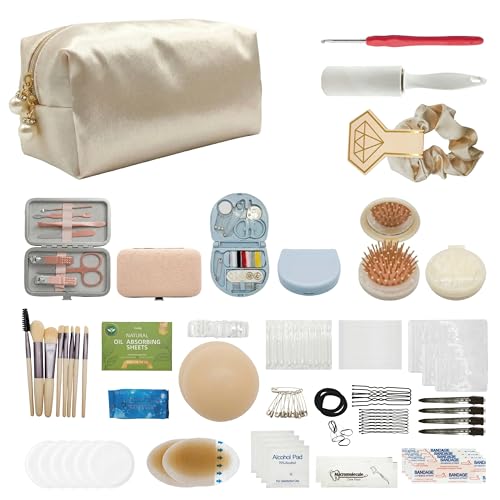 Travel Emergency Kit
 Champagne Flutes (Travel)
 Photo Booth Props
Destination Wedding Costs Explained
Understanding destination wedding costs requires thinking differently than traditional wedding budgeting. Rather than one large sum spent locally, your budget divides between wedding-specific expenses and travel costs—for both you and your guests.
What the Couple Typically Pays
The couple covers all wedding-specific expenses: ceremony and reception venue, catering and beverages, photography and videography, florals and decor, music, officiant, and any welcome events or farewell brunches. You'll also pay for your own travel, accommodations, and often a destination wedding planner or coordinator.
| Expense Category | Budget Range | Notes |
|---|---|---|
| Venue & Catering | $5,000-$25,000 | Varies enormously by location and guest count |
| Photography | $2,500-$8,000 | Local photographers often more affordable |
| Florals & Decor | $1,500-$6,000 | Tropical destinations = lower flower costs |
| Music/Entertainment | $1,000-$4,000 | Local bands add authentic flavor |
| Couple's Travel | $2,000-$6,000 | Flights + extended hotel stay |
| Welcome Events | $1,000-$4,000 | Optional but increasingly expected |
| Planner/Coordinator | $1,500-$5,000 | Highly recommended for destination |
Total couple expenses typically range from $15,000-$50,000, with significant variation based on destination, guest count, and luxury level. Use our Budget Calculator to create a detailed breakdown for your specific situation.
What Guests Typically Pay
Etiquette dictates that guests cover their own travel and accommodations for destination weddings. This represents a significant financial commitment—often $1,500-$4,000 per person for flights, hotel, and incidentals. This is precisely why guest lists at destination weddings are inherently smaller, and why giving guests ample notice (9-12 months) is essential.
Some couples choose to subsidize guest costs by covering one night's accommodation, arranging group discounts, or paying for specific activities. This is generous but not expected. What is expected: covering all costs once guests arrive for wedding events, including welcome dinners, the ceremony and reception, and any farewell gatherings.
Top Destination Wedding Locations for 2026
Choosing your destination involves balancing romance, logistics, cost, and guest accessibility. Here are the most popular destinations with key considerations for each:
Mexico (Riviera Maya, Cancún, Los Cabos)
Most PopularMexico dominates destination wedding rankings thanks to affordable luxury, direct flights from most U.S. cities, no passport or visa issues for Americans, and stunning resort options at every price point. The Riviera Maya offers Mayan ruins and cenotes; Los Cabos delivers dramatic desert-meets-ocean landscapes.
- Average wedding cost: $15,000-$35,000
- Guest travel cost: $1,200-$2,500 per person
- Legal marriage: Straightforward process, no residency required
- Best months: November-April (dry season)
Caribbean (Jamaica, Bahamas, Dominican Republic)
Classic ChoiceThe Caribbean offers the quintessential beach wedding experience with turquoise waters, swaying palms, and legendary resorts built specifically for romance. Jamaica is known for relaxed vibes and reggae; the Bahamas for upscale elegance; the Dominican Republic for value without sacrificing beauty.
- Average wedding cost: $12,000-$40,000
- Guest travel cost: $1,500-$3,000 per person
- Legal marriage: Varies by island, generally straightforward
- Best months: December-April (dry season)
Italy (Amalfi Coast, Tuscany, Lake Como)
Romantic EuropeFor couples dreaming of Old World romance, Italy delivers unmatched charm—ancient villas, rolling vineyards, cliffside villages, and legendary cuisine. These weddings trend more expensive, but the photos and experience are incomparable. Plan for longer trips to justify guest travel costs.
- Average wedding cost: $35,000-$80,000
- Guest travel cost: $2,500-$5,000 per person
- Legal marriage: Complex paperwork, many do legal ceremony at home
- Best months: May-October (shoulder months best for value)
Hawaii (Maui, Oahu, Big Island)
Domestic ParadiseHawaii offers tropical destination wedding magic without international travel complexity. No passports required for U.S. guests, familiar language and currency, and stunning natural beauty from volcanic beaches to lush rainforests. Maui is most popular for weddings; the Big Island offers dramatic landscapes and fewer crowds.
- Average wedding cost: $25,000-$55,000
- Guest travel cost: $1,800-$3,500 per person
- Legal marriage: Simple—it's a U.S. state
- Best months: April-October (dry season, avoiding whale season crowds)
Planning Timeline for Destination Weddings
Destination weddings require earlier planning than local celebrations, primarily because guests need extensive notice to budget and arrange travel. Here's your month-by-month guide:
12-18 Months Before
- Set your overall budget using our Budget Calculator
- Research destinations and narrow to your top 2-3 choices
- Consider travel requirements (passports, visas) for yourself and guests
- Research legal marriage requirements at your destination
- Hire a destination wedding planner or coordinator
- Book your venue or resort package—popular spots book 12+ months ahead
9-12 Months Before
- Send save-the-dates with destination details and travel information
- Launch your wedding website with accommodation options and booking links
- Negotiate and book hotel room blocks for guests
- Book your photographer (local or traveling with you)
- Research and hire other key vendors: florist, DJ, officiant
- Plan your guest list carefully—use our Guest List Calculator
6-9 Months Before
- Finalize vendor contracts and payment schedules
- Order wedding attire allowing time for fittings
- Plan welcome events and activities for guests
- Research marriage license requirements and begin paperwork if needed
- Coordinate with your planner on day-of timeline
3-6 Months Before
- Send formal invitations (earlier than domestic weddings: 10-12 weeks)
- Finalize menu selections with your caterer
- Arrange guest transportation needs (airport shuttles, etc.)
- Book rehearsal dinner venue
- Finalize honeymoon plans (often continuing at the destination)
Final Months
- Confirm all vendor arrangements and arrival times
- Create detailed day-of timeline and share with all parties
- Prepare welcome bags for guests
- Finalize seating charts and guest counts
- Pack carefully—ship items ahead if possible
Guest Considerations and Etiquette
Destination wedding etiquette balances your celebration vision with respect for your guests' time and finances. Clear communication and realistic expectations make everyone's experience better.
Setting Expectations Early
Be upfront that you're planning a destination wedding from the moment you announce your engagement. This gives guests maximum time to plan and budget. Your save-the-date should include the location, approximate dates (if not confirmed), and your wedding website for more details. Never make guests feel guilty for declining—attending a destination wedding is genuinely optional given the cost and time commitment involved.
Accommodating Different Budgets
While booking a luxury resort, also research nearby budget-friendly options. Not every guest can afford $400/night suites. Provide a range of accommodations on your wedding website—some guests may prefer a modest hotel and spending their budget on experiences. For guests who simply cannot afford to attend, consider hosting a casual celebration at home after your return.
Planning Guest Activities
Since guests travel far for your wedding, the celebration typically extends beyond one evening. Common additions include:
- Welcome event: Casual gathering the night before (you typically host and pay for this)
- Group activities: Optional excursions like snorkeling, wine tours, or beach days (guests usually pay their own way)
- Rehearsal dinner: Often more inclusive at destination weddings, welcoming all guests
- Farewell brunch: Morning-after gathering before departures (you host, keeping it casual)
Build downtime into your schedule—guests need recovery time, especially after travel. Don't over-program every moment; let people enjoy the destination on their own terms.
Legal Requirements for International Weddings
Perhaps the most complex aspect of destination weddings is ensuring your marriage is legally recognized. Requirements vary dramatically by country—some make it simple, others nearly impossible for non-residents.
The Two-Ceremony Solution
Many destination wedding couples opt for a legal ceremony at home (often a simple courthouse visit) before or after their destination celebration. This eliminates paperwork stress, removes residency requirements from destination planning, and ensures your marriage is legally solid. Your destination wedding becomes a symbolic ceremony—no less meaningful, just without the bureaucratic headache.
Country-Specific Considerations
If you do want your destination ceremony to be legally binding, research requirements early:
- Mexico: Relatively straightforward with proper documentation; blood tests and specific paperwork required
- Jamaica: No residency requirement; 24-hour waiting period after arrival
- Italy: Complex paperwork requiring apostilled documents; 2-4 day process at minimum
- France: One partner must reside in France for 40 days before the ceremony—essentially impossible for tourists
- Greece: Civil ceremonies only for non-Orthodox couples; extensive documentation required
A destination wedding planner experienced with your specific location is invaluable for navigating legal requirements. They'll know exactly what documents you need, typical processing times, and how to avoid common pitfalls.
Resort Packages vs. Independent Planning
At destination wedding hotspots, you'll encounter two main planning approaches: all-inclusive resort packages or independent venue and vendor selection. Each has distinct advantages.
All-Inclusive Resort Packages
Major resort chains (Sandals, Excellence, Secrets, Dreams) offer wedding packages ranging from complimentary basic ceremonies to elaborate luxury celebrations. Packages bundle venue, catering, cake, coordinator, and often photography into one price.
- Simplified planning—one point of contact handles everything
- Transparent pricing with fewer surprise costs
- On-site coordination eliminates logistics stress
- Guests' food and drinks included in their resort stay
- Often includes complimentary or discounted honeymoon perks
Downsides: Less flexibility in customization, vendor choices limited to in-house options, and packages may include elements you don't want while excluding things you do. Carefully read what's included—many "free wedding" packages require minimum guest stays to qualify.
Independent Planning
For unique venues (villas, historic estates, vineyards) or specific creative visions, independent planning allows complete control. You'll select each vendor individually—venue, caterer, photographer, florist—just like planning a local wedding, but with added distance challenges.
Advantages: Total customization, access to unique non-resort venues, ability to mix high and low spending priorities. Downsides: Requires more planning effort, harder to manage from afar, potential language barriers, and less predictable pricing.
Many couples find a middle ground: booking an independent venue but hiring a local wedding planner who coordinates vendors and manages on-the-ground logistics.
Common Challenges and Solutions
Destination weddings come with unique challenges. Anticipating these issues helps you plan proactively:
Weather Uncertainty
Outdoor ceremonies in tropical destinations mean accepting weather risk. Always have a rain backup plan—whether that's a covered pavilion, indoor alternative, or ceremony tents. Check historical weather data when choosing your date, but understand that even "dry season" can surprise you. Purchase wedding insurance that covers weather-related issues.
Vendor Communication
Time zone differences and potential language barriers complicate vendor coordination. Schedule calls during overlapping business hours. Use video conferencing to build relationships. Have important communications in writing (email) rather than verbal agreements. If language is a barrier, your wedding planner should serve as translator and cultural interpreter.
Transporting Wedding Items
Bringing your dress, decorations, and essentials requires planning. Carry your dress on the plane (never check it!). Ship non-essential items ahead to your venue or hotel. Pack backup supplies in case items are delayed. Consider purchasing decorations locally—tropical flowers, for instance, will be fresher and cheaper at your destination.
Guest Logistics
Coordinate group travel where possible—group flights or shared airport transfers. Provide detailed arrival/departure information on your wedding website. Assign a trusted friend or family member as "guest coordinator" to help with questions and logistics so you're not overwhelmed.
Expert Tips for Destination Wedding Success
Drawing from couples who've planned successful destination celebrations, here are the strategies that make the biggest difference:
- Visit before you book. If at all possible, visit your destination before committing to a venue. Photos don't capture everything—you need to experience the space, meet vendors face-to-face, and ensure the reality matches your vision.
- Hire a local planner. This is the single best investment for destination weddings. A planner who knows the area, has vendor relationships, and can handle on-the-ground logistics is invaluable when you're thousands of miles away.
- Give guests maximum notice. Send save-the-dates 9-12 months before (versus 6-8 months for local weddings). People need time to request vacation days, save money, and arrange childcare or pet sitting.
- Create a comprehensive wedding website. Include travel tips, packing suggestions, activity recommendations, restaurant lists, and FAQs. Make it the one-stop resource for everything guests need to know.
- Embrace the local culture. Incorporate local music, cuisine, and traditions into your celebration. It makes your wedding unique and shows respect for your chosen destination.
- Build in buffer time. Arrive several days before your wedding for final preparations and relaxation. You don't want to walk down the aisle jet-lagged and stressed from same-day travel chaos.
- Prepare for lower attendance. Even with ample notice, expect 50-70% of invited guests to attend (versus 80-85% for local weddings). Plan your budget accordingly and don't take declines personally.
Common Destination Wedding Mistakes to Avoid
Even experienced planners make mistakes when coordinating celebrations abroad. Learn from couples who have navigated these challenges before you.
Mistake #1: Not Researching Shoulder Seasons
Many couples fixate on peak season dates without exploring shoulder seasons that offer better value and fewer crowds. In the Caribbean, April and May provide excellent weather at 20-30% lower prices than December through February. Tuscany in early October delivers harvest festivities, golden light, and more availability than the saturated June-September window.
Mistake #2: Ignoring Currency and Payment Considerations
International transactions bring hidden costs. Credit card foreign transaction fees (typically 2-3%), unfavorable exchange rates, and wire transfer fees add up quickly. Open a no-foreign-transaction-fee credit card months before you start paying deposits. Consider locking in exchange rates for large payments when rates are favorable.
Mistake #3: Underestimating Communication Challenges
Time zone differences make real-time coordination difficult. A vendor in Italy is 6-9 hours ahead of the continental U.S.—that 9 AM call for you is their dinner hour. Establish preferred communication channels (email, WhatsApp) and expected response times early. Use shared project management tools to keep everyone aligned without constant calls.
Mistake #4: Assuming U.S. Standards Apply
Wedding customs, timelines, and expectations vary by culture. Spanish weddings often start at 8 PM and run until sunrise. Mexican celebrations may include multiple events over several days. Italian venues may not provide American-style catering setups. Research local wedding customs and adjust your expectations—or your budget—accordingly.
Mistake #5: Neglecting Guest Accessibility
A stunning cliffside venue may be impossible for elderly relatives or guests with mobility limitations. Consider accessibility when choosing venues and plan transportation that accommodates all guests. Communicate physical requirements (walking distances, stairs, terrain) clearly so guests can make informed attendance decisions.
Mistake #6: Skipping Wedding Insurance
Destination weddings have more potential points of failure: cancelled flights, lost luggage containing your dress, vendor no-shows, weather events, and illness that prevents travel. Comprehensive wedding insurance (typically $200-$500) provides crucial protection. Verify that your policy covers international destinations and the specific risks you face.
Mistake #7: Over-Programming the Experience
Enthusiastic couples sometimes plan activities for every moment their guests are in the destination. This exhausts everyone and leaves no time for personal exploration. Plan 2-3 group events (welcome party, wedding day, optional excursion) and let guests fill remaining time independently. They're on vacation too.
- Negotiate room block minimums: Hotels often accept lower minimums in shoulder seasons—ask before assuming their terms are fixed
- Ship items ahead via DHL or FedEx: Carrying everything through customs invites delays and complications
- Bring backup copies of contracts: Have printed and digital versions accessible without internet
- Learn key phrases in local language: Even basics like "thank you" and "where is..." build goodwill with vendors
- Create a guest travel guide: Airport tips, local customs, tipping practices, and emergency numbers show thoughtful hosting
- Budget for site visit: Factor in one (ideally two) trips to your destination during planning, not just for venue selection
- Hire a local second photographer: They know the light, the shortcuts, and the hidden photo spots
- Plan rain backup first: Don't leave it as an afterthought—for outdoor destinations, this is essential
Related Resources and Planning Tools
Planning a destination wedding requires coordinating many moving pieces. These resources will help you stay organized and make informed decisions throughout your planning journey.
- Wedding Budget Calculator — Create a detailed budget breakdown with destination-specific considerations
- Guest List Calculator — Estimate attendance rates and per-guest costs for destination events
- Alcohol Calculator — Plan bar quantities accounting for resort packages and local options
- Tip Calculator — Understand tipping customs at international destinations
Related Guides
- Ultimate Wedding Budget Guide 2026 — Comprehensive budget planning strategies
- Wedding Planning Timeline — Month-by-month checklist adaptable for destination celebrations
- How Wedding Costs Are Calculated — Understand vendor pricing structures
- Why Weddings Are Expensive — Economic factors affecting destination pricing
- Wedding Budget Breakdown — Percentage allocations for destination events
Destination-Specific Resources
- Sample Budgets by Amount — See how destination weddings work at different budget levels
- Vendor Cost Guides — Compare vendor pricing across markets
- U.S. Destination Costs by State — For domestic destination weddings
Start Planning Your Destination Wedding Budget
Use our free calculators to build a realistic budget for your dream destination celebration.
Start CalculatingDestination weddings require extra planning but reward couples with unforgettable experiences shared with their closest people. By understanding costs, choosing the right location, and planning proactively, you can create a celebration that's both logistically smooth and deeply meaningful. Your guests will remember not just a wedding, but a journey they took to celebrate your love.