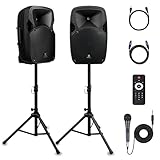
 PRORECK Party 12 Powered PA System
 Amazon Basics 46,000 BTU Patio Heater
 DazzlingStage Wireless Battery Uplights (6)
 Efavormart 8 ft Gold Hexagonal Arch
How to Use This Calculator
Our wedding cake calculator helps you determine exactly how much cake you need and what it will cost. Follow these steps for accurate results:
- Enter your guest count: Input the total number of guests who will be served cake. This is typically your full guest list unless you know some guests will skip dessert.
- Select serving size: Choose between wedding (small, traditional), party (moderate), or generous (large) serving sizes based on your preferences.
- Choose cake style: Select from buttercream, fondant, naked, or designer options to get accurate cost estimates.
- Consider sheet cake: Toggle the sheet cake option to see how supplementing with kitchen sheet cake affects your display cake size and budget.
The calculator instantly updates recommendations as you adjust any input, showing tier configurations and cost estimates.
Understanding Your Results
The calculator provides several key outputs to guide your cake ordering:
- Total Servings Needed: Your guest count plus a 15% buffer to account for cutting waste and second servings.
- Display Cake Servings: How many servings your tiered display cake will provide. This is what guests see during the cake cutting.
- Sheet Cake Servings: If you chose the sheet cake option, how many additional servings come from kitchen sheet cake.
- Estimated Cost Range: Low and high estimates based on your chosen cake style and local market rates.
- Tier Configuration: The recommended cake tiers (sizes) to meet your serving needs with a visual representation.
Use the "Money-Saving Alternative" suggestion when it appears for budget-conscious options that maintain visual impact.
Factors That Affect Cake Calculations
Several variables influence how much cake you actually need:
Guest Appetite Factors
- Time of reception: Afternoon weddings often see more cake consumption than late evening events when guests are full from dinner.
- Other desserts: If serving a dessert table, pie bar, or other sweets, reduce cake quantities by 30-50%.
- Guest demographics: Crowds with many children eat less cake; older adults often prefer smaller portions.
Cake Style Considerations
- Richness: Dense chocolate or filled cakes satisfy with smaller portions than light vanilla.
- Fondant thickness: Thick fondant reduces edible cake volume per tier.
- Internal structure: Cakes with pillars or support dowels between tiers have less actual cake per tier.
Service Logistics
- Cutting method: Professional cake cutting yields more uniform servings with less waste than informal cutting.
- Service timing: Cake served late in the reception may see fewer takers as guests leave.
Tips for Accurate Inputs
Get the best results from this calculator with these tips:
- Use RSVP count, not invite list: Calculate based on confirmed attendees rather than everyone invited.
- Consider non-cake eaters: If you know 10-15% of guests typically skip dessert, you can adjust mentally.
- Match serving size to your crowd: Choose "generous" for cake-loving families; "wedding" works when other desserts are available.
- Try both sheet cake scenarios: Compare costs with and without the sheet cake option to see potential savings.
- Factor in dietary needs: If ordering separate allergen-free options, reduce main cake quantity accordingly.
Related Calculators and Resources
Continue planning your wedding dessert service with these tools:
- Catering Calculator - Plan your full meal service including dessert courses.
- Guest List Calculator - Finalize your guest count for accurate cake calculations.
- Wedding Budget Calculator - See how cake costs fit into your overall budget.
- Tip Calculator - Calculate appropriate gratuities for your cake baker and delivery team.
- Catering Cost Guide - Understand full dessert service pricing from caterers.
- Ultimate Wedding Budget Guide - Budget allocation strategies for all wedding categories.
How Much Wedding Cake Do You Actually Need?
Ordering the right amount of wedding cake is surprisingly tricky. Order too little and guests leave disappointed; order too much and you're left with expensive leftovers that rarely taste as good the next day. The general rule is to order enough servings for your total guest count, but the reality involves several factors that affect exactly how much cake you should buy.
Most wedding cakes are designed around standard serving sizes established by the cake industry. A wedding serving is traditionally quite small—a 1" x 2" x 4" slice, just enough for a few bites. If you want guests to enjoy generous portions more like a birthday party, you'll need to order significantly more cake or adjust your expectations about serving sizes.

Understanding Wedding Cake Serving Sizes
The wedding industry uses smaller serving sizes than you might expect because wedding cake is typically served alongside other desserts, after a full meal when guests have limited appetite for sweets. Here's how the three standard serving sizes compare:
| Serving Size | Dimensions | Best For | Notes |
|---|---|---|---|
| Wedding | 1" x 2" x 4" | Multi-course dinner receptions | Industry standard; assumes other desserts available |
| Party | 1.5" x 2" x 4" | Most weddings | Good balance of satisfaction and waste prevention |
| Generous | 2" x 2" x 4" | Cake-focused dessert course | Requires 50% more cake; higher cost |
Most couples find the "party" serving size hits the sweet spot—generous enough that guests feel satisfied, but not so large that significant amounts go uneaten. If cake is your only dessert and you know your crowd loves sweets, consider the generous sizing.
The 15% Buffer Rule
Always order approximately 15% more servings than your guest count. This accounts for the cutting process (end pieces, imperfect slices) and ensures you don't run short if some guests want seconds. For 100 guests, order cake for 115 servings.
Wedding Cake vs. Sheet Cake: Which Makes Sense?
One of the smartest budget strategies in wedding planning is the combination approach: a stunning display cake for photos and cake-cutting, supplemented by sheet cake cut in the kitchen for actual guest servings. This approach can save 30-50% on your cake budget while still giving you Instagram-worthy photos.
The Display Cake Strategy
With this approach, you order a beautiful 2-3 tier display cake sized for 30-50 servings. This cake serves as the centerpiece, gets photographed from every angle, and provides the slices for your cake-cutting moment. Meanwhile, matching sheet cakes (same flavor and frosting) are pre-sliced in the kitchen and served to guests.
Most guests never know the difference. The slices taste identical, and they're already plated by the time they're served. You save money because sheet cake costs $1-3 per serving compared to $5-15 per serving for decorative tiered cake. For a 150-person wedding, this can mean savings of $500-1,000 or more.
When to Skip the Sheet Cake
Some couples prefer a single display cake for all servings, and there are good reasons to go this route:
- Intimate weddings under 75 guests don't save enough to justify complexity
- Family-style service where guests see the cake being sliced
- Cultural traditions involving the actual wedding cake
- Budget allows for full display cake without concern
- Venue doesn't have kitchen space for sheet cake staging

Tiered Wedding Cake Configurations
Wedding cakes are typically built from round or square tiers of decreasing sizes. Each tier provides a specific number of servings based on its diameter and height. Understanding these configurations helps you communicate effectively with your baker.
Standard Round Tier Servings
| Tier Diameter | Height | Wedding Servings | Party Servings |
|---|---|---|---|
| 6 inch | 4 inch | 12 | 8 |
| 8 inch | 4 inch | 24 | 16 |
| 10 inch | 4 inch | 38 | 25 |
| 12 inch | 4 inch | 56 | 37 |
| 14 inch | 4 inch | 78 | 52 |
| 16 inch | 4 inch | 100 | 67 |
Common Tier Combinations
Your baker will recommend tier configurations based on your guest count. Here are the most popular combinations:
- 2-Tier (6" + 10"): 50 wedding servings, ideal for 40-50 guests
- 3-Tier (6" + 8" + 10"): 74 wedding servings, ideal for 65-75 guests
- 3-Tier (6" + 10" + 14"): 128 wedding servings, ideal for 115-130 guests
- 4-Tier (6" + 8" + 10" + 12"): 130 wedding servings, ideal for 115-135 guests
- 4-Tier (6" + 8" + 12" + 16"): 192 wedding servings, ideal for 175-200 guests
Average Wedding Cake Costs in 2026
Wedding cake pricing varies dramatically based on style, complexity, ingredients, and location. Here's what you can expect to pay per serving across different cake styles:
| Cake Style | Cost Per Serving | 100 Guests | 150 Guests |
|---|---|---|---|
| Simple Buttercream | $3-6 | $300-600 | $450-900 |
| Fondant Covered | $6-10 | $600-1,000 | $900-1,500 |
| Naked/Semi-Naked | $4-7 | $400-700 | $600-1,050 |
| Designer/Luxury | $10-20+ | $1,000-2,000+ | $1,500-3,000+ |
Several factors drive cake pricing beyond basic style:
- Intricate decorations: Sugar flowers, hand-painting, gold leaf, and detailed piping add significant labor costs
- Premium ingredients: Imported chocolate, real vanilla, organic ingredients, and specialty fillings cost more
- Structural complexity: Asymmetrical designs, suspended tiers, and unusual shapes require engineering
- Delivery and setup: Larger cakes and distant venues increase delivery fees and setup time
- Location: Major metro areas command 30-50% higher prices than smaller markets
The Grocery Store Secret
High-end grocery stores (Whole Foods, Costco, local bakeries) can produce surprisingly beautiful and delicious wedding cakes at a fraction of boutique pricing. A Costco sheet cake costs under $2 per serving and tastes excellent. Many couples order a small display cake from a boutique baker and supplement with grocery store sheet cake.
Dessert Table Alternatives
Modern weddings increasingly feature dessert tables or dessert bars alongside or instead of traditional wedding cake. These options can reduce cake quantities while offering guests more variety:
Popular Cake Alternatives
- Cupcake tower: Same cake flavors in individual portions; easier serving, often similar pricing to traditional cake
- Donut wall: Trendy, affordable, and guests love them; consider breakfast-themed brunches
- Pie station: Perfect for rustic or autumn weddings; typically cheaper than cake
- Macaron tower: Elegant and Instagram-ready; premium pricing but stunning presentation
- Dessert shooters: Mini portions of cheesecake, mousse, or tiramisu; sophisticated and portion-controlled
- Ice cream bar: Fun for summer weddings; requires coordination for serving logistics
If you include a dessert table, reduce your cake order by 30-50%. Not all guests will eat cake when other options are available, and you want to avoid excessive waste. A small 2-tier cake for cutting plus the dessert table creates perfect coverage.


