The four rentals worth buying instead
Most wedding advice is about trimming the flowers. These four are the line items where buying outright costs less than one night of hire, and three of them resell afterwards.
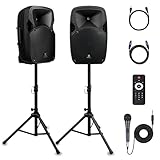 PRORECK Party 12 Powered PA System
A DJ is one of the biggest line items on any wedding budget. If someone you know can run a playlist, this is the difference between hiring one and not.
See it on Amazon →
PRORECK Party 12 Powered PA System
A DJ is one of the biggest line items on any wedding budget. If someone you know can run a playlist, this is the difference between hiring one and not.
See it on Amazon →
 Amazon Basics 46,000 BTU Patio Heater
Outdoor evening receptions live or die on this. Renting three for a night often costs more than buying two.
See it on Amazon →
Amazon Basics 46,000 BTU Patio Heater
Outdoor evening receptions live or die on this. Renting three for a night often costs more than buying two.
See it on Amazon →
 DazzlingStage Wireless Battery Uplights (6)
Battery uplights need no cable runs, so a venue that bans taped-down leads still lets you use them. The cheapest thing that changes how a room photographs.
See it on Amazon →
DazzlingStage Wireless Battery Uplights (6)
Battery uplights need no cable runs, so a venue that bans taped-down leads still lets you use them. The cheapest thing that changes how a room photographs.
See it on Amazon →
 Efavormart 8 ft Gold Hexagonal Arch
Heavy-duty metal rated to 100 lbs, and it resells afterwards, which is the part hiring one never does.
See it on Amazon →
Efavormart 8 ft Gold Hexagonal Arch
Heavy-duty metal rated to 100 lbs, and it resells afterwards, which is the part hiring one never does.
See it on Amazon →
As an Amazon Associate we earn from qualifying purchases. Prices and availability change; check before you buy.
The Traditional Answer
If you're searching for who pays for the rehearsal dinner, the traditional etiquette answer is straightforward: the groom's family hosts and pays for the rehearsal dinner. This custom has deep roots in Western wedding traditions and remains the most common arrangement today, though modern couples increasingly embrace alternative approaches.
Traditional Etiquette
This tradition developed because the bride's family historically covered most wedding expenses. The rehearsal dinner became the groom's family's primary opportunity to contribute to the wedding festivities and host an event in their honor.
The logic behind this tradition makes sense when you understand historical wedding financing. For generations, the bride's family paid for the ceremony, reception, flowers, photography, and most major wedding expenses. The groom's family had fewer traditional financial responsibilities, limited primarily to the rehearsal dinner, officiant's fee, marriage license, honeymoon, and the bride's bouquet.
By hosting the rehearsal dinner, the groom's family could welcome guests, thank the wedding party, and contribute meaningfully to the wedding weekend without stepping on the bride's family's traditional hosting role at the main event.
What Hosting Traditionally Includes
When a family "hosts" the rehearsal dinner, they typically take responsibility for:
- Selecting and booking the venue or restaurant
- Creating and sending rehearsal dinner invitations
- Planning the menu and coordinating dietary restrictions
- Covering all food, beverage, and venue costs
- Giving a toast or welcome speech at the dinner
- Handling logistics like seating arrangements and decor
Important Distinction: "Hosting" means more than just paying. The host family plans the event, chooses the style and venue, sends invitations, and welcomes guests. If another family is paying but the couple wants to plan everything themselves, that's financial support, not traditional hosting.
Modern Approaches to Payment
While tradition provides a starting point, modern couples navigate rehearsal dinner payments in various ways. Financial realities, family dynamics, cultural backgrounds, and personal preferences all influence who ultimately pays. Here are the most common approaches couples use today.
Groom's Family Pays
The groom's parents host and cover all costs. They choose the venue, style, and guest list within their budget. This remains the most common arrangement, used by approximately 50-55% of couples.
Couple Pays
The engaged couple hosts and pays for their own rehearsal dinner. This gives them complete control over budget, venue, guest list, and style. About 20-25% of couples now take this approach.
Both Families Split
Both sets of parents contribute to the rehearsal dinner costs, either equally or based on their financial capabilities. About 15% of couples use this arrangement.
Whoever Offers
Rather than following rules, whoever is most enthusiastic or financially able to host takes the lead. This organic approach works well for families who don't follow traditional etiquette.
Why Tradition Is Shifting
Several factors drive the evolution away from strict traditional payment roles:
- Financial independence: Couples marry later and often have established careers, making them capable of funding their own celebrations
- Balanced contributions: Modern couples prefer both families contribute more equally to wedding expenses overall
- Blended families: With multiple sets of parents, traditional "groom's family" designations become complicated
- Same-sex marriages: Traditional gender-based payment rules don't apply, requiring new approaches
- Cultural differences: Multicultural couples blend traditions from backgrounds that may not include rehearsal dinners
- Geographic realities: When families live far apart, the local family may host simply for practical reasons
The key principle in modern wedding etiquette: no one is obligated to pay for anything, and graciousness matters more than following rules precisely. A heartfelt, modest rehearsal dinner hosted with joy means more than an expensive event given begrudgingly.
Average Rehearsal Dinner Costs
Understanding typical costs helps set expectations for whoever ends up paying. Rehearsal dinner expenses vary dramatically based on guest count, venue choice, formality level, and geographic location.
| Style | Guest Count | Typical Cost Range | Per Person |
|---|---|---|---|
| Casual backyard BBQ | 20-30 | $800-$1,500 | $30-$50 |
| Restaurant private room | 25-40 | $2,000-$4,000 | $75-$100 |
| Mid-range venue/catering | 30-50 | $3,500-$6,000 | $100-$125 |
| Upscale restaurant | 40-60 | $5,000-$10,000 | $125-$175 |
| Formal venue with full service | 50-75 | $8,000-$14,000 | $150-$200 |
| Lavish affair | 75+ | $14,000+ | $200+ |
The average rehearsal dinner costs between $2,500 and $5,000 for most couples, typically representing 5-10% of the overall wedding budget. However, this varies significantly by region. Rehearsal dinners in major metropolitan areas like New York, San Francisco, or Boston typically cost 30-50% more than those in smaller cities or rural areas.
Cost Factors to Consider
- Guest count: The single biggest cost driver. Each additional guest adds $75-$150+ to the total
- Alcohol: Open bar vs. limited drinks can swing costs by $30-$75 per person
- Venue rental: Private rooms often have minimums or rental fees of $500-$3,000
- Day and time: Thursday dinners often cost less than Friday; lunch less than dinner
- Season: Peak wedding season (May-October) commands higher prices
- Formality: Passed appetizers, multiple courses, and premium service increase costs
Budget Reality: If the groom's family has a limited budget, the couple can help by keeping the guest list small, choosing a casual venue, or offering to cover extras like alcohol. Never expect a family to host beyond their means.
Who Should Be Invited
The rehearsal dinner guest list directly impacts cost and should be discussed early when determining who pays. Traditions vary on guest list size, and the host family's budget often dictates how inclusive the event can be.
Rehearsal Dinner Guest List Guide
- All bridesmaids and groomsmen
- Maid/matron of honor and best man
- Flower girls and ring bearers (with their parents)
- Junior bridesmaids and groomsmen
- Parents of the couple (all sets if divorced/remarried)
- Siblings of the couple (with spouses/partners)
- Grandparents
- The officiant (with spouse/partner)
- Out-of-town guests who traveled for the wedding
- Aunts, uncles, and cousins
- Wedding party members' spouses/partners
- Close family friends
- Wedding planner or coordinator
The question of out-of-town guests often creates the biggest debate. Traditional etiquette says guests who traveled should be invited, but this can double or triple the guest count. Modern etiquette acknowledges that inviting out-of-town guests is gracious but not required, especially when budget constraints exist.
Guest Count Guidelines
- Intimate (20-25 guests): Wedding party + immediate family only. Most budget-friendly.
- Standard (30-45 guests): Add grandparents, siblings' families, officiant. Common choice.
- Expanded (50-75 guests): Include out-of-town guests, aunts/uncles. More expensive but inclusive.
- Large (75+ guests): Essentially a second reception. Usually only destination wedding crowds.
When budget determines guest count, prioritize those who are actually rehearsing (the wedding party) first, then immediate family, then extended family and out-of-town guests.
Budget-Friendly Rehearsal Dinner Ideas
A memorable rehearsal dinner doesn't require a lavish budget. Creative hosts can celebrate meaningfully while keeping costs manageable. Here are proven budget-friendly approaches.
Backyard BBQ or Cookout
Host at a family member's home with grilled food, lawn games, and casual vibes. Works beautifully for laid-back couples.
Pizza Party
Order from a local favorite pizzeria, add salads and dessert, and focus on togetherness over formality. Universally loved.
Restaurant Group Dining (Not Private Room)
Reserve a large table at a family-style restaurant rather than paying for private room minimums. Still special, lower cost.
Brunch Instead of Dinner
Host the day before the rehearsal or morning-of as a brunch. Breakfast foods cost less than dinner entrees.
Potluck Dinner
Family members each contribute a dish for a potluck-style celebration. Meaningful when family recipes are shared.
Dessert and Drinks Only
Host an after-dinner gathering with wine, beer, and desserts. Assumes guests eat dinner separately beforehand.
Money-Saving Tips
- Skip the private room: Restaurant minimum spending requirements often add $1,000+ to your bill
- Limit alcohol: Offer beer and wine only, or provide a drink ticket system
- Choose Thursday: Many restaurants offer better rates for Thursday rehearsal dinners
- Set a menu: Prix fixe menus control costs better than a la carte ordering
- Keep it short: A focused 2-hour event costs less than an all-evening affair
- DIY decorations: Skip elaborate florals in favor of candles and simple centerpieces
When Traditional Etiquette Doesn't Apply
Standard etiquette assumes a traditional family structure that doesn't reflect everyone's reality. Here's how to approach rehearsal dinner payment when your situation doesn't fit the traditional mold.
Same-Sex Couples
When there's no "groom's family" in the traditional sense, same-sex couples create their own approach. Common solutions include both families splitting the cost equally, one family volunteering to host, the couple paying themselves, or whoever is most enthusiastic about hosting taking the lead. The key is open communication between both families early in the planning process.
Two Brides or Two Grooms
Traditional "groom's family pays" doesn't apply when both partners are the same gender.
Blended Families
When divorce and remarriage create multiple sets of parents, determining the "groom's family" becomes complicated. Stepparents, biological parents, and their respective spouses may all want involvement, or none may step forward.
Multiple Sets of Parents
The groom has biological parents who are divorced, plus two stepparents. Who hosts?
Estranged Parents
Not every couple has supportive parents to lean on. Estrangement, limited finances, or simply uninterested parents mean the traditional host may not be available.
No Relationship with Groom's Parents
The groom is estranged from his family or his parents are deceased.
Financial Disparities
Sometimes one family has significantly more financial resources than the other. Expecting a family to host beyond their means violates the spirit of gracious hospitality.
Groom's Family Can't Afford It
The groom's parents live on fixed income and can't afford to host a dinner for 40 people.
Cultural Differences
Not all cultures include rehearsal dinners as part of wedding traditions. When one family comes from a background unfamiliar with this custom, they may not understand the expectation.
Different Cultural Backgrounds
The groom's family immigrated from a country where rehearsal dinners don't exist. They're confused about expectations.
Navigating Difficult Family Dynamics
Money and family mix to create some of wedding planning's most challenging moments. The rehearsal dinner payment question can surface underlying tensions about control, favoritism, and family relationships.
When No One Offers to Pay
If neither family volunteers to host the rehearsal dinner, don't assume ill intent. They may be unaware of the tradition, assume the couple is handling it, or feel uncomfortable offering financial help. The solution is direct, kind communication.
If you'd like family involvement, consider saying: "We're starting to plan our rehearsal dinner. Would either of our families like to host, or should we plan to handle it ourselves?" This opens the door without creating obligation or resentment.
When Multiple People Want to Pay
Competition to host can create its own problems. If both families want control over the rehearsal dinner, consider splitting duties. One family hosts a welcome drinks event Thursday evening, the other hosts the formal Friday rehearsal dinner. Or co-host together with shared planning responsibilities.
When There Are Strings Attached
Sometimes financial offers come with conditions: inviting unwanted guests, choosing a specific venue, or other control issues. Before accepting payment, clarify expectations. It's better to pay yourselves and maintain control than accept money that creates family conflict.
Setting Boundaries: "We so appreciate your generous offer to host the rehearsal dinner. Before we finalize plans, we want to make sure we're all aligned on the guest list and venue. Can we sit down together to discuss?"
When Budget Expectations Don't Match
The hosting family's vision may not match your expectations, and that's okay. If his parents can afford a casual pizza dinner for 20 and you envisioned an upscale restaurant for 50, adjust your expectations or offer to cover the difference. Never make a host feel their generosity isn't enough.
How to Graciously Decline Hosting
If your family is expected to host but cannot or does not want to, it's perfectly acceptable to decline. A simple explanation works: "We'd love to contribute to the wedding in other ways. Would you prefer we help with [specific item] instead?" Offering an alternative contribution shows goodwill without overextending.
The Bottom Line on Rehearsal Dinner Payment
While tradition says the groom's family hosts and pays for the rehearsal dinner, modern weddings embrace flexibility. What matters most is that the people who love you gather together before your wedding day, regardless of who picks up the check.
If you're the groom's family wondering whether you should offer to host: yes, it's traditional, and the offer will likely be appreciated. If you're a couple wondering who should pay: start the conversation early, be gracious about any offer, and be prepared to host yourselves if needed.
The rehearsal dinner should reduce stress before the wedding, not create it. Choose the payment approach that works for your specific families, budget, and circumstances. A heartfelt welcome toast at a backyard BBQ means more than an awkward, resentment-tinged dinner at an expensive restaurant.
Regional Considerations
Rehearsal dinner traditions and expectations vary significantly across different regions of the United States. Understanding these regional differences helps set appropriate expectations and avoid misunderstandings.
The South
Southern traditions tend to be more formal and follow traditional etiquette more closely. The groom's family hosting is still strongly expected in many Southern communities. Rehearsal dinners often include extended family and out-of-town guests as a matter of hospitality. Events tend toward the more elaborate end, with toasts, slideshows, and gifts for the wedding party being common.
The Northeast
Metropolitan areas like New York and Boston see more variation in payment arrangements. Restaurant buyouts and private dining rooms are popular venue choices. Costs tend to be 30-50% higher than the national average due to venue and food costs. Couples often pay for themselves or split with families.
The Midwest
Practical, down-to-earth celebrations are common. Home-hosted or casual restaurant dinners are widely accepted. Guest lists tend to be more inclusive, often including neighbors and family friends. Church basements, community halls, and backyard gatherings are not unusual.
The West Coast
Flexible, non-traditional approaches are widely accepted. Wine country venues, farm dinners, and experience-based events (cooking classes, wine tastings) are popular. Couples frequently host themselves. Dietary accommodations (vegan options, etc.) are expected.
Destination Weddings
When couples marry away from home, rehearsal dinner dynamics shift. The hosting family may be from a different location than the wedding venue. Welcome dinners often replace traditional rehearsal dinners, sometimes hosted by the couple. Multiple nights of events spread hosting responsibilities among different parties.
Cost Variation: Rehearsal dinners in New York, San Francisco, or Boston can cost 40-60% more than similar events in the Midwest or South. Factor in regional pricing when setting expectations with hosting families.
Related Planning Resources
The rehearsal dinner is one piece of your overall wedding budget. These related resources will help you plan comprehensively:
Who Pays for the Wedding?
Comprehensive guide to wedding payment traditions and how families typically divide wedding costs.
Who Pays for the Honeymoon?
Traditional and modern approaches to honeymoon funding, including honeymoon fund etiquette.
Who Pays for the Bridal Shower?
Understanding cost-sharing among bridesmaids and families for pre-wedding celebrations.
Budget Planning Tools
- Wedding Budget Calculator - Build a complete budget including rehearsal dinner allocation
- Ultimate Wedding Budget Guide 2026 - Comprehensive budgeting strategies for all wedding expenses
- Wedding Budgets by Amount - See realistic breakdowns for $10K to $50K+ weddings
- Wedding Timing Guides - How your wedding date affects overall costs
Frequently Asked Questions
Traditionally, the groom's family hosts and pays for the rehearsal dinner. This custom developed because the bride's family historically covered most wedding expenses, so the rehearsal dinner became the groom's family's opportunity to contribute and host. While this tradition remains common, modern couples increasingly split costs or handle payment themselves.
Rehearsal dinner costs typically range from $1,500 to $14,000 depending on guest count, venue, and formality level. A casual dinner for 20-25 people might cost $1,500-$3,000, while an upscale restaurant for 40-50 guests could run $5,000-$10,000. Lavish affairs with 75+ guests at premium venues can exceed $14,000. The average cost falls between $2,500-$5,000 for most couples.
The essential guest list includes everyone participating in the rehearsal: the wedding party (bridesmaids, groomsmen, flower girls, ring bearers with parents), officiant, immediate family members, and the couple's parents. Optional additions include out-of-town guests who traveled for the wedding, grandparents, aunts and uncles, and close family friends. The guest list typically ranges from 20-75 people.
No, it is not rude. Wedding payment traditions have evolved significantly, and there's no obligation for any family to pay for specific events. Many groom's families may not have the financial means, cultural background, or awareness of this tradition. The couple can host the dinner themselves, split costs between families, or skip a formal rehearsal dinner entirely without any breach of etiquette.
Yes, a formal rehearsal dinner is optional, not required. Budget-friendly alternatives include hosting a casual backyard gathering, ordering pizza after rehearsal, having a potluck dinner, or simply scheduling the rehearsal earlier and letting attendees grab dinner on their own. What matters is that wedding party members practice the ceremony, not that an elaborate dinner follows.
Same-sex couples often create their own traditions since traditional "groom's family pays" etiquette doesn't directly apply. Common approaches include: one family volunteers to host, both families split the cost equally, the couple pays for it themselves, or whoever is most enthusiastic about hosting takes it on. The key is open communication between both families to determine what works best for everyone.
Traditionally, the rehearsal dinner is held the evening before the wedding (usually Friday for a Saturday wedding). The actual rehearsal typically happens late afternoon (4-6pm), followed by dinner (7-9pm). For destination weddings or when guests travel far, some couples host a welcome dinner 2-3 nights before the wedding instead, with a separate brief rehearsal the day before.
Menu options range from casual (pizza, BBQ, tacos) to formal (multi-course seated dinner). Popular choices include family-style Italian, steakhouse dinners, seafood at waterfront venues, or comfort food favorites. Many hosts choose cuisine that differs from the wedding reception to provide variety. Open bar or beer and wine service is typical, with toasts being a traditional element.
Yes, significant others of wedding party members should be invited. It is considered rude to invite someone but not their spouse or long-term partner. This extends to serious dating relationships, not just married couples. Budget accordingly—adding partners can increase your guest count by 8-12 people. If budget is extremely tight, it is better to have a smaller gathering than to split couples.
No. The formality of your ceremony doesn't dictate the rehearsal dinner style. Simple ceremonies may only need a 15-30 minute walkthrough. Afterward, pizza at someone's home, drinks at a local bar, or even just a group dinner at a restaurant works perfectly. The purpose is to thank the wedding party and connect before the big day, not to host an elaborate event.
Plan Your Complete Wedding Budget
Get clarity on all your wedding expenses, including the rehearsal dinner, with our free budget calculator.


