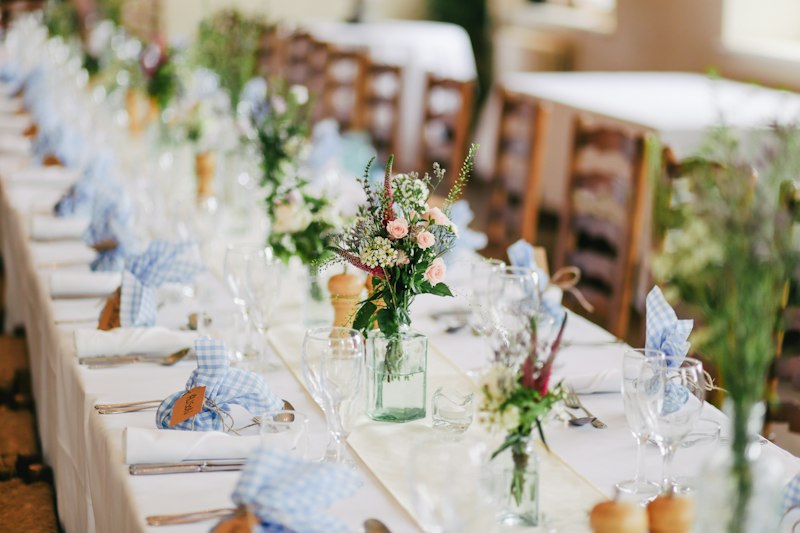
The four rentals worth buying instead
Most wedding advice is about trimming the flowers. These four are the line items where buying outright costs less than one night of hire, and three of them resell afterwards.
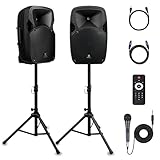 PRORECK Party 12 Powered PA System
A DJ is one of the biggest line items on any wedding budget. If someone you know can run a playlist, this is the difference between hiring one and not.
See it on Amazon →
PRORECK Party 12 Powered PA System
A DJ is one of the biggest line items on any wedding budget. If someone you know can run a playlist, this is the difference between hiring one and not.
See it on Amazon →
 Amazon Basics 46,000 BTU Patio Heater
Outdoor evening receptions live or die on this. Renting three for a night often costs more than buying two.
See it on Amazon →
Amazon Basics 46,000 BTU Patio Heater
Outdoor evening receptions live or die on this. Renting three for a night often costs more than buying two.
See it on Amazon →
 DazzlingStage Wireless Battery Uplights (6)
Battery uplights need no cable runs, so a venue that bans taped-down leads still lets you use them. The cheapest thing that changes how a room photographs.
See it on Amazon →
DazzlingStage Wireless Battery Uplights (6)
Battery uplights need no cable runs, so a venue that bans taped-down leads still lets you use them. The cheapest thing that changes how a room photographs.
See it on Amazon →
 Efavormart 8 ft Gold Hexagonal Arch
Heavy-duty metal rated to 100 lbs, and it resells afterwards, which is the part hiring one never does.
See it on Amazon →
Efavormart 8 ft Gold Hexagonal Arch
Heavy-duty metal rated to 100 lbs, and it resells afterwards, which is the part hiring one never does.
See it on Amazon →
As an Amazon Associate we earn from qualifying purchases. Prices and availability change; check before you buy.
The Traditional Answer: Maid of Honor and Bridesmaids
If you're asking who pays for a bridal shower, the traditional answer is straightforward: the maid of honor and bridesmaids typically share the responsibility of hosting and funding this pre-wedding celebration. This custom developed because the bridal shower is meant to be a gift to the bride from her closest friends, and having them host ensures the bride can relax and enjoy being honored without worrying about logistics or costs.
The maid of honor usually takes the lead role in planning, coordinating with other bridesmaids to divide both responsibilities and expenses. As the primary host, she often contributes a larger share of the costs, though this varies widely depending on individual circumstances, relationships, and financial situations within the bridal party.
Traditional Hosting Breakdown
Maid of Honor (40-50% of costs) + Bridesmaids (remaining costs split equally) = Complete Shower Budget
However, it's crucial to understand that while tradition provides a starting point, modern bridal showers have evolved significantly. Today's celebrations often involve creative cost-sharing arrangements, family contributions, and sometimes even modest involvement from the bride herself when specific preferences exceed the hosts' original budget. The key is open communication and flexibility among everyone involved.
What the Traditional Role Entails
When bridesmaids agree to host a bridal shower, they're committing to more than just writing a check. The hosting responsibilities include selecting and booking a venue (or preparing a home), creating and sending invitations, planning the menu and arranging catering or food preparation, decorating the space, organizing games and activities, coordinating gift logistics, and often preparing a special group gift from the bridal party.
These tasks require significant time investment alongside financial contribution. Some bridesmaids may prefer to contribute more money but less time, while others might volunteer to handle time-intensive tasks like DIY decorations to reduce the overall cost burden. Understanding this balance is essential for equitable cost-sharing.
The Modern Reality: Flexible Cost-Sharing Arrangements
While tradition offers guidance, the reality of modern bridal showers is far more nuanced. Today's bridal parties often include women of vastly different financial means, geographic locations, and life circumstances. A bridesmaid finishing graduate school has different financial capacity than one with an established career. A bridesmaid flying cross-country for the shower already faces significant expenses. Modern etiquette recognizes these realities and encourages flexibility.
The most successful bridal showers start with honest conversations about budget constraints. Before any planning begins, the maid of honor should privately discuss financial parameters with each bridesmaid. This isn't about sharing specific income details but rather establishing a comfortable contribution range that won't cause financial stress.
Communication Is Everything: Studies show that financial disagreements among bridal parties are one of the top sources of pre-wedding stress. Starting with clear budget discussions prevents resentment and ensures everyone can participate joyfully.
Common Modern Arrangements
Several cost-sharing models have emerged as popular alternatives to the traditional equal-split approach:
- Tiered Contributions: Bridesmaids contribute different amounts based on their financial situations, with everyone agreeing these varying amounts are equally valuable.
- Task-Based Division: Instead of cash contributions, some bridesmaids contribute by handling specific expenses like decorations, games, or favors while others cover venue and food costs.
- Sliding Scale: The maid of honor sets a minimum and maximum contribution range, and each bridesmaid chooses where they fall within that range.
- Family Partnership: The bride's mother or other relatives contribute a portion, reducing the burden on bridesmaids while allowing everyone to participate in hosting.
Whatever arrangement you choose, document it clearly. A simple shared spreadsheet showing who's covering what prevents misunderstandings and ensures nothing falls through the cracks.
Average Bridal Shower Costs: What to Expect in 2026
Understanding typical bridal shower costs helps hosts plan realistic budgets. While costs vary dramatically based on location, guest count, and celebration style, having benchmarks guides decision-making and expectation-setting.
| Shower Style | Guest Count | Typical Cost Range | Per-Person Cost |
|---|---|---|---|
| Casual Home Brunch | 10-15 | $300-$600 | $25-$45 |
| Restaurant Lunch | 15-25 | $800-$1,500 | $50-$70 |
| Afternoon Tea | 15-20 | $600-$1,200 | $40-$65 |
| Winery or Brewery | 20-30 | $1,200-$2,500 | $60-$90 |
| Spa Day | 8-12 | $1,500-$3,000 | $150-$300 |
| Upscale Restaurant | 25-40 | $2,500-$5,000 | $85-$140 |
These figures represent total costs for hosting, including venue, food, beverages, decorations, and activities. They don't include individual bridesmaid expenses like travel, lodging, or personal gifts for the bride. When planning, add 10-15% to your estimated costs as a buffer for unexpected expenses.
Cost Factors That Impact Your Budget
Several variables significantly affect bridal shower costs:
- Location: Major metropolitan areas like New York, Los Angeles, and Chicago can cost 30-50% more than smaller cities or suburban areas.
- Day and Time: Saturday evening events cost more than Sunday brunches. Weekday celebrations offer the best value.
- Alcohol: Open bar service can add $20-$50 per person. Wine-only or mimosa bars offer budget-friendly alternatives.
- Catering Style: Plated meals cost more than buffets, which cost more than heavy appetizers or light refreshments.
- Season: Spring and early summer (peak bridal shower season) often have higher venue prices and less availability.
What's Typically Included in Bridal Shower Expenses
Understanding exactly what you're budgeting for helps prevent overlooked costs and ensures a complete, well-planned celebration. Here's a comprehensive breakdown of typical bridal shower expenses:
Standard Bridal Shower Budget Breakdown
Often Overlooked Expenses
First-time hosts frequently forget to budget for certain items that can add up quickly:
- Gratuities: Tips for servers, bartenders, and catering staff (typically 18-20% of service costs)
- Cake or Specialty Desserts: Often ordered separately from catering
- Rental Items: Linens, specialty glassware, serving dishes, chair covers
- Setup and Cleanup Fees: Some venues charge additional fees for early access or post-event cleaning
- Parking or Valet: Especially relevant for restaurant or venue showers
- Photography: Even casual photography often means someone pays for prints or a photo book
- Host Gift: Many bridesmaids contribute to a group gift from the bridal party in addition to their individual gifts
Splitting Costs Fairly Among Bridesmaids with Different Budgets
One of the most delicate aspects of planning a bridal shower is managing financial contributions when bridesmaids have vastly different financial circumstances. A successful approach requires sensitivity, creativity, and clear communication.
Sample Scenario: $1,200 Shower Budget with 4 Bridesmaids
Equal split would mean $300 each, but budgets vary significantly among the bridal party.
Strategies for Equitable Cost-Sharing
The Honest Conversation Approach
Have the maid of honor privately ask each bridesmaid what they can comfortably contribute. Emphasize that all amounts are equally appreciated and will be kept confidential. This direct approach often yields the best results because it acknowledges reality without assumptions.
The Task Assignment Method
Instead of cash contributions, assign specific expenses to each bridesmaid based on their budget. One person handles invitations, another brings dessert, another covers decorations. This approach gives people control over their spending while ensuring all bases are covered.
The Anchor Host Model
One or two bridesmaids with larger budgets become anchor hosts, covering major expenses like venue and catering. Others contribute smaller, defined amounts for specific items like favors, games, or flowers. Everyone feels like a meaningful contributor without financial strain.
Tips for Navigating Budget Conversations
- Start these conversations at least 3-4 months before the shower to give everyone time to save
- Never share individual contribution amounts with the group or the bride
- Offer concrete alternatives: "If the $200 contribution feels like too much, would you prefer to handle the decorations instead?"
- Remember that non-monetary contributions like time and creativity are genuinely valuable
- Be prepared for someone to decline contributing due to financial hardship, and handle it graciously
When the Bride's Family Hosts Instead
Historically, etiquette guides warned against the bride's family hosting a bridal shower, claiming it appeared like a gift grab. This outdated notion has been thoroughly abandoned in modern etiquette. Today, it's not only acceptable but often welcomed for the bride's mother, sisters, aunts, grandmother, or even close family friends to host the bridal shower.
Why Family Hosting Makes Sense
Several circumstances make family-hosted showers an excellent choice:
- Geographic Distribution: When bridesmaids live far apart and the bride's family is local, family hosting eliminates logistical challenges.
- Budget Constraints: Young bridesmaids early in their careers may genuinely struggle with shower costs. Family members often have more financial flexibility.
- Desire to Participate: Many mothers and grandmothers want to be actively involved in wedding celebrations, and hosting offers that opportunity.
- Second Weddings: For brides who've been married before, having family host rather than friends feels more appropriate to many.
- Cultural Traditions: In some cultures, family-hosted bridal showers are the norm and expected.
When family members host, they typically cover all or most costs, though bridesmaids often still contribute to a group gift or help with specific tasks like games and activities. The key is clear communication about roles and expectations before planning begins.
Hybrid Arrangements
Many modern bridal showers feature co-hosting between family and bridesmaids. Common hybrid arrangements include:
- The bride's mother covers the venue and food while bridesmaids handle decorations, games, and favors
- Family hosts the main shower while bridesmaids plan a smaller, secondary celebration like a bachelorette party
- Multiple parties contribute proportionally based on their means and preferences
- The bride's family covers costs for a larger guest list while bridesmaids would have planned something smaller
Budget-Conscious Bridal Shower Ideas
A meaningful bridal shower doesn't require a massive budget. Creative planning and thoughtful execution can create a beautiful celebration that honors the bride without straining anyone's finances. Here are proven budget-friendly approaches:
Backyard or Home Celebration
Hosting at someone's home eliminates venue rental costs entirely. With potluck-style contributions or homemade dishes, a lovely shower for 15-20 guests can cost under $500 total.
Total Budget: $300-$600
Brunch Timing
Morning and early afternoon events cost significantly less than evening celebrations. Brunch menus are cheaper than dinner, and guests expect lighter fare and less alcohol.
Savings: 30-40% vs Evening
Picnic in the Park
Public park pavilions often cost under $100 to reserve. Add picnic blankets, cute charcuterie boards, and garden games for an Instagram-worthy celebration at a fraction of venue costs.
Total Budget: $250-$500
Themed Potluck
Assign each guest a dish category based on a theme (Italian, brunch favorites, the bride's favorite cuisine). Costs are distributed while creating an interactive, personal celebration.
Host Cost: $150-$300
DIY Elements That Save Money
Strategic DIY choices can dramatically reduce costs without sacrificing style:
- Invitations: Digital invitations via Canva or Paperless Post save $50-$150 over printed versions
- Centerpieces: Grocery store flowers in pretty mason jars cost 80% less than florist arrangements
- Desserts: Homemade cookies, cupcakes, or a sheet cake decorated prettily costs a fraction of bakery prices
- Photo Backdrop: A fabric backdrop with paper flowers or balloon garland creates Instagrammable moments for under $30
- Favors: Homemade treats, small succulents, or seed packets cost $2-$3 each versus $8-$15 for purchased favors
- Games: Printable games from Etsy ($5-$10) versus purchased game sets ($25-$40)
Pro Tip: Focus splurge money on one high-impact element the bride will love, whether that's a beautiful cake, professional flowers for the gift table, or a special activity. Guests remember standout moments, not whether napkins matched perfectly.
Etiquette Around Multiple Bridal Showers
Modern brides often have multiple social circles that want to celebrate separately: college friends, work colleagues, family members in different cities, and religious or community groups. Multiple showers are not only acceptable but have become increasingly common.
When Multiple Showers Make Sense
Several circumstances warrant multiple bridal showers:
- Geographic Separation: When the bride's family and friends are in different cities
- Workplace Celebrations: Office showers are often held separately from personal showers
- Different Friend Groups: College friends, childhood friends, and newer social circles may each want to host
- Religious/Community Groups: Church groups, clubs, or community organizations sometimes host their own celebrations
The Critical Rule
The essential etiquette rule for multiple showers is that the same guests should not be invited to more than one shower. Inviting someone to multiple showers creates implicit pressure to give multiple gifts, which is inconsiderate and inappropriate. Each shower should have a distinct guest list.
This rule means each shower has different hosts and funding sources. The maid of honor and bridesmaids typically host the main friends' shower, while family hosts the family shower, and coworkers organize the office celebration. Costs don't compound because different groups are responsible for different events.
Keeping Track of Multiple Events
When multiple showers are planned, coordination prevents conflicts:
- Create a master calendar with all pre-wedding events to avoid scheduling conflicts
- Share guest lists among hosts to prevent double-invitations
- Vary shower themes and activities so the bride enjoys distinct experiences
- Coordinate with the bride about her energy and availability
Regional Considerations: How Location Affects Bridal Shower Expectations
Bridal shower traditions and costs vary significantly across different regions of the United States. Understanding these regional differences helps hosts set appropriate expectations and plan celebrations that feel right for their community.
Northeast (New York, New Jersey, Massachusetts, Connecticut)
The Northeast tends to have the most formal and expensive bridal shower traditions. Restaurant showers are common, and guest lists often extend beyond close friends to include extended family and neighbors. Expect higher venue costs ($75-$150 per person for restaurant events) and more elaborate decorations. Co-ed showers are becoming popular in metropolitan areas.
South (Texas, Georgia, Tennessee, North Carolina)
Southern bridal showers emphasize tradition and hospitality. Home-hosted showers remain popular, often featuring elaborate homemade food and the bride's mother as a prominent host or co-host. Multiple showers (friends, family, church) are common and expected. Tea parties and brunch themes are particularly popular, with an emphasis on elegant presentation.
Midwest (Ohio, Illinois, Michigan, Minnesota)
Midwestern showers tend toward practical, down-to-earth celebrations. Home-hosted events with potluck-style contributions are common and not seen as budget-cutting but as community participation. Guest lists are often extensive, including coworkers and neighbors. Games and activities are emphasized, with prizes and party favors considered essential.
West Coast (California, Washington, Oregon)
West Coast showers often embrace non-traditional formats: brunch outings, spa days, wine tasting, or experience-based celebrations. Co-ed showers are widely accepted. There's less emphasis on traditional games and more focus on quality time. Venue costs vary dramatically between cities like San Francisco or Seattle (expensive) and suburban areas (more moderate).
Southwest (Arizona, Colorado, New Mexico)
Southwestern showers often incorporate outdoor elements when weather permits—backyard celebrations, poolside parties, or garden venues. Casual elegance is the norm, with fewer formal expectations than the Northeast. Cultural influences (Hispanic traditions, for example) may shape celebration styles in certain communities.
Cost Variation by Region: The same style of bridal shower can cost 40-60% more in major metropolitan areas (New York, San Francisco, Boston) compared to smaller cities or rural areas. When budgeting, research local venue and catering costs rather than relying on national averages.
Related Planning Resources
Planning a bridal shower is just one piece of the wedding celebration puzzle. These related resources will help you navigate other financial and planning aspects of weddings:
Who Pays for the Rehearsal Dinner?
Learn about rehearsal dinner traditions, costs, and modern alternatives for hosting this important pre-wedding celebration.
Who Pays for the Wedding?
A comprehensive guide to traditional and modern wedding payment arrangements, from full parental support to couples paying their own way.
Who Pays for the Honeymoon?
Explore honeymoon funding traditions, registry options, and creative ways couples are financing their post-wedding getaways.
Wedding Budget Calculator
Build a complete wedding budget with our interactive tool. Customize allocations and track spending across all categories.
Additional Helpful Guides
- Ultimate Wedding Budget Guide 2026 - Complete budgeting strategies and tips
- Wedding Budgets by Amount - See detailed breakdowns for $10K, $20K, $30K, and more
- Vendor Cost Guides - Understand what photographers, caterers, florists, and other vendors charge
- Wedding Timing Guides - How your wedding date affects overall costs
Frequently Asked Questions
Traditionally, the maid of honor and bridesmaids share the cost of hosting a bridal shower. The maid of honor typically takes the lead in planning and may contribute a larger portion, while other bridesmaids chip in based on their budgets. In modern times, it's also common for the bride's mother, aunts, or close family friends to host or contribute to the costs.
The average bridal shower costs between $500 and $5,000, depending on factors like guest count, venue choice, catering style, and location. A casual backyard brunch might cost $300-$600, while an upscale restaurant or spa day could run $2,000-$5,000. Most bridal showers fall in the $800-$1,500 range for 15-25 guests.
Yes, it's completely appropriate in modern etiquette. While traditional rules suggested family shouldn't host (to avoid appearing gift-grabby), this outdated notion has largely been abandoned. Today, mothers, sisters, aunts, and grandmothers frequently host bridal showers, especially when they want to share in the celebration or when bridesmaids have limited budgets.
The key is open communication early in the planning process. Options include: equal splits where everyone pays the same amount, tiered contributions based on ability to pay, assigning specific tasks or items to each bridesmaid based on budget, or having the maid of honor cover venue/food while others handle decorations and games. Always discuss budgets privately before making plans.
Traditionally, no - the bride should not pay for her own bridal shower since she is the guest of honor. However, if the bride has specific expensive preferences that exceed the hosts' budget, she may offer to cover the difference. Some brides also offer to help fund a destination shower or upgraded venue. The key is that she shouldn't feel obligated or pressured to contribute.
Yes, multiple bridal showers are common and acceptable, especially when the bride has different friend groups, family in various locations, or work colleagues who want to celebrate. The etiquette rule is that guests should not be invited to multiple showers (to avoid pressure for multiple gifts). Each shower can have different hosts and themes.
Bridal shower costs typically include: venue rental or home preparation, food and beverages (including any alcohol), decorations and flowers, invitations and postage, games and activities, party favors for guests, prizes for game winners, and sometimes a special gift from the hosts. Photography, if professional, is an additional cost.
Begin planning 2-3 months before the shower date, which itself should be 3-8 weeks before the wedding. Start by confirming the date with the bride and key guests, then book the venue early (popular restaurants fill quickly on weekends). Send invitations 4-6 weeks before the shower. If traveling guests need to book flights, send save-the-dates 2-3 months ahead.
Handle this situation with compassion and discretion. Offer alternatives like helping with setup, cleanup, or DIY projects instead of financial contributions. Other bridesmaids can quietly cover the difference. The bridesmaid should not be excluded or made to feel guilty—being in a wedding is already expensive, and genuine financial hardship deserves understanding, not judgment.
Virtual showers remain popular for geographically dispersed guests or when travel isn't feasible. The hosts typically pay for digital invitation platforms, delivery of treat boxes or champagne to guests, and any virtual activity subscriptions (trivia games, etc.). Costs are usually lower ($200-$500 for 15-20 guests), making them budget-friendly alternatives. Some hosts send the bride a special package to open on camera.
Plan Your Wedding Budget with Confidence
From bridal showers to the big day, our free calculators help you understand and manage wedding costs.
Wedding Planning Essentials
 Clever Fox Wedding Planner Book
$14.99 on Amazon →
Clever Fox Wedding Planner Book
$14.99 on Amazon →
 The Knot Ultimate Wedding Planner & Organizer
$25.99 on Amazon →
The Knot Ultimate Wedding Planner & Organizer
$25.99 on Amazon →
 ZICOTO Linen Wedding Guest Book
$9.99 on Amazon →
ZICOTO Linen Wedding Guest Book
$9.99 on Amazon →
 AceOrbit Wooden Wedding Card Box
$42.99 on Amazon →
AceOrbit Wooden Wedding Card Box
$42.99 on Amazon →
As an Amazon Associate, we earn from qualifying purchases. Prices shown are at time of writing.
Related Wedding Planning
Keep exploring with these hand-picked guides on related topics.
How Many Hours of Wedding Photography Do You Need?
Most couples need 8-10 hours of wedding photography. Learn exactly how many hours you need based on your timeline, plus
How Many Servers Do You Need for Your Wedding?
Calculate wedding staff: 1 server per 10-12 guests for plated service, 1 per 20-25 for buffet. Complete guide to bartend
How Many Tables Do You Need for Your Wedding?
Calculate wedding tables: 60-inch rounds seat 8-10, 72-inch rounds seat 10-12. Use our formula to determine exact table
How Much Alcohol Do You Need Per Wedding Guest?
Calculate exactly how much beer, wine, and liquor you need per wedding guest. Use our formula: 1 drink per hour × guest