The four rentals worth buying instead
Most wedding advice is about trimming the flowers. These four are the line items where buying outright costs less than one night of hire, and three of them resell afterwards.
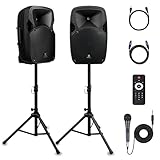 PRORECK Party 12 Powered PA System
A DJ is one of the biggest line items on any wedding budget. If someone you know can run a playlist, this is the difference between hiring one and not.
See it on Amazon →
PRORECK Party 12 Powered PA System
A DJ is one of the biggest line items on any wedding budget. If someone you know can run a playlist, this is the difference between hiring one and not.
See it on Amazon →
 Amazon Basics 46,000 BTU Patio Heater
Outdoor evening receptions live or die on this. Renting three for a night often costs more than buying two.
See it on Amazon →
Amazon Basics 46,000 BTU Patio Heater
Outdoor evening receptions live or die on this. Renting three for a night often costs more than buying two.
See it on Amazon →
 DazzlingStage Wireless Battery Uplights (6)
Battery uplights need no cable runs, so a venue that bans taped-down leads still lets you use them. The cheapest thing that changes how a room photographs.
See it on Amazon →
DazzlingStage Wireless Battery Uplights (6)
Battery uplights need no cable runs, so a venue that bans taped-down leads still lets you use them. The cheapest thing that changes how a room photographs.
See it on Amazon →
 Efavormart 8 ft Gold Hexagonal Arch
Heavy-duty metal rated to 100 lbs, and it resells afterwards, which is the part hiring one never does.
See it on Amazon →
Efavormart 8 ft Gold Hexagonal Arch
Heavy-duty metal rated to 100 lbs, and it resells afterwards, which is the part hiring one never does.
See it on Amazon →
As an Amazon Associate we earn from qualifying purchases. Prices and availability change; check before you buy.
The Quick Answer
Most traditional weddings require 8-10 hours of photography coverage. This captures getting ready through the first hour or two of dancing—the complete story of your wedding day. However, your specific needs depend on your timeline, priorities, and budget.
Photography coverage isn't just about capturing every moment—it's about ensuring your photographer is present for the moments that matter most to you. Understanding how photography hours translate to actual coverage helps you make informed decisions about packages and ensures you don't miss documenting key parts of your day.
The hours you book determine when your photographer arrives and when they pack up. Too few hours means missing important moments. Too many means paying for coverage you don't need. This guide helps you find the right balance for your specific wedding.
Essential Coverage
- Final getting ready moments
- Ceremony
- Family formals
- Couple portraits
- Reception entrance
- First dance, cake cutting
Best for: Intimate weddings, elopements, courthouse ceremonies, tight budgets
Complete Coverage
- Getting ready (bride & groom)
- First look option
- All ceremony moments
- Cocktail hour candids
- Full reception coverage
- Speeches, dancing, key moments
Best for: Most traditional weddings, 75+ guests, full-day events
Extended Coverage
- Complete getting ready documentation
- Pre-ceremony details
- All ceremony + reception
- Late-night dancing
- Sparkler exit or departure
- After-party options
Best for: Large weddings, elaborate timelines, meaningful departures
As an Amazon Associate, we earn from qualifying purchases.
Photography Enhancers
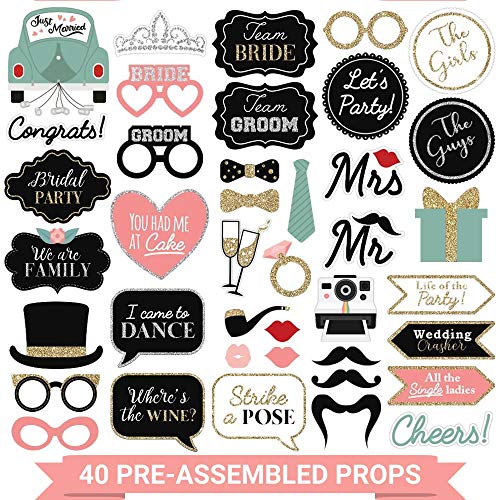 Photo Booth Props Kit
 LED Fairy String Lights
 Greenery Garland
 Wedding Planner Book
What Each Hour Captures
Understanding how photography hours translate to actual wedding moments helps you make an informed decision. Here's a typical breakdown for an 8-hour package with a 4:00 PM ceremony.
| Time | Activity | Duration | Typical Photos |
|---|---|---|---|
| 2:00-3:30 | Getting Ready | 1.5 hrs | Details, dress, final touches |
| 3:30-4:00 | First Look / Pre-ceremony | 0.5 hr | Couple portraits, wedding party |
| 4:00-4:45 | Ceremony | 0.75 hr | Processional, vows, kiss, exit |
| 4:45-5:15 | Family Formals | 0.5 hr | Immediate family combinations |
| 5:15-6:00 | Cocktail Hour | 0.75 hr | Guest candids, venue, couple |
| 6:00-6:30 | Reception Start | 0.5 hr | Entrance, first dance |
| 6:30-8:00 | Dinner + Speeches | 1.5 hrs | Toasts, reactions, room shots |
| 8:00-10:00 | Dancing + Events | 2 hrs | Bouquet toss, garter, cake, dancing |
Key Insight: If your ceremony is at 4 PM and you book 8 hours, coverage ends around 10 PM. For late-night dancing, sparkler exits, or departures after 10 PM, you'll need 10+ hours or overtime.
How to Calculate Your Coverage Needs
Follow this simple process to determine exactly how many hours you need:
- Identify your ceremony time - This anchors everything else
- Work backward - Determine when getting ready photos should begin (typically 2-3 hours before ceremony)
- Work forward - Determine when coverage should end (first dances? Cake cutting? Dancing?)
- Add buffer - Allow 30 minutes on each end for setup and flexibility
- Count the total hours from start to end
Example: 4:00 PM ceremony, photographer arrives at 1:00 PM for getting ready, coverage ends at 10:00 PM after first dances and cake cutting = 9 hours of coverage.
What Happens During Each Phase
Getting Ready (1-2 hours): The photographer documents the transformation—hair and makeup final touches, dress going on, emotional moments with parents and bridesmaids, groom getting ready with groomsmen. This phase captures anticipation, nerves, and excitement. Detail shots of rings, invitation suite, shoes, and accessories typically happen here when items are still pristine.
First Look and Pre-Ceremony Portraits (30-60 minutes): If you choose a first look, this is when you see each other for the first time. The photographer captures that emotional moment, then moves into couple portraits and wedding party photos. Doing portraits before the ceremony means you can join cocktail hour later.
Ceremony (30-45 minutes): The photographer positions strategically to capture processional, readings, vows, rings, first kiss, and recessional. A second shooter provides additional angles. This is typically the shortest phase but requires the most technical skill.
Family Formals (20-30 minutes): Immediately after ceremony, you'll gather family members for group combinations. An organized list speeds this process. Expect 5-10 minutes for immediate family, longer if including extended family.
Cocktail Hour (45-60 minutes): While guests enjoy drinks and appetizers, photographers capture candid interactions, venue details, and additional couple portraits using the venue's best locations. This is often the most creative portrait time.
Reception (3-4 hours): Coverage includes entrance, first dance, parent dances, toasts, dinner candids, cake cutting, bouquet toss, and open dancing. The photographer captures the energy and emotion of your celebration while documenting all the details you've planned.
Coverage Comparison Chart
See exactly what you get—and what you miss—at each coverage level.
| Moment | 4 hrs | 6 hrs | 8 hrs | 10 hrs |
|---|---|---|---|---|
| Full hair/makeup process | ✗ | ✗ | ✗ | ✓ |
| Final getting ready | ✗ | ✓ | ✓ | ✓ |
| Detail shots (rings, dress, shoes) | ✓ | ✓ | ✓ | ✓ |
| First look portraits | ✗ | ✓ | ✓ | ✓ |
| Ceremony | ✓ | ✓ | ✓ | ✓ |
| Family formals | ✓ | ✓ | ✓ | ✓ |
| Cocktail hour candids | ✗ | ✗ | ✓ | ✓ |
| Reception entrance + first dance | ✓ | ✓ | ✓ | ✓ |
| Dinner + toasts | ✗ | ✓ | ✓ | ✓ |
| Cake cutting | ✗ | ✓ | ✓ | ✓ |
| 1-2 hours of dancing | ✗ | ✗ | ✓ | ✓ |
| Full dancing coverage | ✗ | ✗ | ✗ | ✓ |
| Grand exit / departure | ✗ | ✗ | ✗ | ✓ |
Factors That Affect Your Hours Needed
Your specific wedding timeline and priorities determine the right coverage level.
You Probably Need More Hours If...
You Can Work With Fewer Hours If...
Second Shooter: Do You Need One?
A second photographer captures simultaneous moments and provides multiple angles. They're valuable for certain weddings and optional for others.
Second Shooter Recommended
- Weddings over 100 guests (more coverage needed during reception)
- Bride and groom getting ready in different locations
- Large wedding parties (6+ per side)
- Ceremonies in venues with multiple important angles
- When you want both "documentary" and "artistic" perspectives simultaneously
One Photographer Sufficient
- Intimate weddings under 50 guests
- Getting ready in same or adjacent locations
- Small wedding parties (3 or fewer per side)
- Elopements and courthouse ceremonies
- When budget is the primary constraint
Cost Consideration: Second shooters typically add $400-$800 to your package. If your photographer doesn't include one, ask about adding coverage versus adding hours—sometimes extra hours are more valuable than a second shooter.
Photography Costs by Coverage Level
Understanding how hours relate to cost helps you budget effectively. Photography pricing varies dramatically by region and photographer experience.
| Coverage | Budget Tier | Mid-Range | Premium |
|---|---|---|---|
| 4 hours | $800-1,500 | $1,500-2,500 | $2,500-4,000 |
| 6 hours | $1,200-2,000 | $2,000-3,500 | $3,500-5,500 |
| 8 hours | $1,600-2,800 | $2,800-5,000 | $5,000-8,000 |
| 10 hours | $2,000-3,500 | $3,500-6,000 | $6,000-10,000 |
| 12 hours | $2,400-4,000 | $4,000-7,000 | $7,000-12,000+ |
What Affects Photography Pricing
Experience and Portfolio: Established photographers with strong portfolios and recognition command higher rates. You're paying for their artistic vision, technical expertise, and reliability.
Deliverables Included: Some packages include engagement sessions, albums, prints, or second shooters. Others are coverage only with à la carte add-ons. Compare what's included, not just the base price.
Geographic Location: Major metropolitan areas (NYC, LA, SF, Chicago) have significantly higher rates than smaller markets. A $6,000 package in New York might be $3,500 in a smaller city.
Wedding Season and Day: Peak season Saturdays command premium rates. Some photographers offer discounts for off-season dates, weekday weddings, or short-notice bookings.
Money-Saving Tips for Photography
- Book adequate hours upfront: Overtime rates are typically 25-50% higher than package rates. It's almost always cheaper to book enough hours initially.
- Consider newer photographers: Photographers building their portfolio often offer excellent work at lower rates. Review their portfolio carefully.
- Choose off-peak dates: Sunday or Friday weddings, off-season months, or holiday weekends may qualify for discounts.
- Skip the album: Many couples never order professional albums. If you're unsure, skip it initially—you can always add one later.
- Ask about payment plans: Most photographers offer payment plans that spread cost over months of engagement.
Common Mistakes to Avoid
Booking too few hours: Running out of coverage mid-reception leaves you without photos of key moments. When in doubt, book more hours—it's cheaper than overtime.
Choosing based on price alone: Photography is one area where you get what you pay for. The cheapest option may deliver disappointing results you'll regret for years.
Not reviewing complete galleries: Don't judge photographers only by their best images. Ask to see complete wedding galleries to understand their consistent quality.
Ignoring personality fit: You'll spend more time with your photographer than almost any other vendor. Make sure you genuinely enjoy working with them.
Forgetting to check availability: Popular photographers book 12-18 months in advance. Start your search early for the best selection.
Photography Hours by Wedding Type
General recommendations based on wedding style and size.
| Wedding Type | Recommended Hours | Notes |
|---|---|---|
| Elopement (2 people) | 2-4 hours | Ceremony + portraits in one location |
| Courthouse + dinner | 3-5 hours | Brief ceremony, portraits, celebration dinner |
| Intimate (under 30 guests) | 4-6 hours | Full day but compact timeline |
| Small (30-75 guests) | 6-8 hours | Standard coverage, most moments captured |
| Medium (75-150 guests) | 8-10 hours | Complete coverage recommended |
| Large (150+ guests) | 10-12 hours | Extended coverage, second shooter essential |
| Destination wedding | 8-12 hours | Often includes rehearsal dinner or next-day coverage |
Frequently Asked Questions
Most couples book 8-10 hours of photography coverage. This typically covers getting ready through the first hour of dancing—the most photographed moments. Shorter coverage (4-6 hours) works for intimate weddings or elopements. Longer coverage (10-12 hours) captures late-night dancing, departures, and extended parties.
Eight hours typically covers: final getting ready moments (1-1.5 hours), first look and couple portraits (1 hour), ceremony (0.5-1 hour), family formals (0.5 hour), cocktail hour candids (0.5-1 hour), reception entrance and first dances (0.5 hour), dinner and toasts (1 hour), and early dancing/cake cutting (1-1.5 hours). You'll usually miss late-night dancing and departure.
Six hours is tight for traditional weddings but works for: intimate ceremonies with 50 or fewer guests, elopements, courthouse weddings with a celebration dinner, or weddings where you prioritize specific moments over comprehensive coverage. With 6 hours, you'll need to choose between full getting-ready coverage OR late reception coverage—you typically can't have both.
Extra hours typically cost $200-$500/hour depending on your photographer's tier. Budget photographers charge $150-$250/hour, mid-range photographers $250-$400/hour, and premium photographers $400-$600+/hour. It's almost always cheaper to book adequate hours upfront than to add overtime on the wedding day—most photographers charge premium rates for same-day additions.
Photographers typically arrive 1-2 hours before the ceremony. For an 8-hour package with a 4 PM ceremony, arrival would be around 2 PM for bride getting ready shots. If you want full hair and makeup documentation, they'd need to arrive earlier (adding hours to coverage). Work backward from your ceremony time: subtract the coverage hours to determine when photography should begin.
A second shooter is highly recommended for: weddings over 100 guests, when bride and groom prepare in different locations, elaborate ceremonies with multiple angles needed, large wedding parties where coverage splits required. Second shooters add $400-$800 to your package. For intimate weddings under 50 guests at a single location, one photographer typically suffices.
Plan Your Complete Wedding Budget
Use our free calculator to budget for photography alongside all your other wedding costs.