The four rentals worth buying instead
Most wedding advice is about trimming the flowers. These four are the line items where buying outright costs less than one night of hire, and three of them resell afterwards.
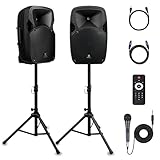 PRORECK Party 12 Powered PA System
A DJ is one of the biggest line items on any wedding budget. If someone you know can run a playlist, this is the difference between hiring one and not.
See it on Amazon →
PRORECK Party 12 Powered PA System
A DJ is one of the biggest line items on any wedding budget. If someone you know can run a playlist, this is the difference between hiring one and not.
See it on Amazon →
 Amazon Basics 46,000 BTU Patio Heater
Outdoor evening receptions live or die on this. Renting three for a night often costs more than buying two.
See it on Amazon →
Amazon Basics 46,000 BTU Patio Heater
Outdoor evening receptions live or die on this. Renting three for a night often costs more than buying two.
See it on Amazon →
 DazzlingStage Wireless Battery Uplights (6)
Battery uplights need no cable runs, so a venue that bans taped-down leads still lets you use them. The cheapest thing that changes how a room photographs.
See it on Amazon →
DazzlingStage Wireless Battery Uplights (6)
Battery uplights need no cable runs, so a venue that bans taped-down leads still lets you use them. The cheapest thing that changes how a room photographs.
See it on Amazon →
 Efavormart 8 ft Gold Hexagonal Arch
Heavy-duty metal rated to 100 lbs, and it resells afterwards, which is the part hiring one never does.
See it on Amazon →
Efavormart 8 ft Gold Hexagonal Arch
Heavy-duty metal rated to 100 lbs, and it resells afterwards, which is the part hiring one never does.
See it on Amazon →
As an Amazon Associate we earn from qualifying purchases. Prices and availability change; check before you buy.
Understanding Destination Wedding Economics
Destination weddings occupy a unique space in wedding budgeting. They're simultaneously an intimate celebration, a group vacation, and a logistical undertaking that spans continents. Understanding the financial structure of destination weddings requires thinking differently than traditional wedding planning.
The central paradox of destination weddings: they often cost the couple more per attendee while resulting in lower total spending. Why? Guest attrition. When you invite 150 people to a destination wedding, expect 40-60 to actually attend. This natural filtering creates intimate celebrations with higher per-person costs but smaller total budgets.
Destination Wedding Cost Reality
- Couple's total investment: $25,000 to $75,000+ (wedding + travel + hosting)
- Average destination wedding: $35,000-$45,000
- Typical guest count: 50-75 attendees (from 120-150 invites)
- Per-guest cost to couple: $350-$700 (vs. $200-$350 for domestic weddings)
- Guest investment: $1,500-$5,000 per couple (flights, hotels, time off)
The fundamental question isn't whether destination weddings save money—they usually don't when accounting for travel and hosting costs. The question is whether the experience of gathering your closest people in a beautiful location for multiple days of celebration justifies the investment and the reality that some guests simply cannot attend.
As an Amazon Associate, we earn from qualifying purchases.
Destination Wedding Essentials
 Wedding Planner & Organizer
Plan your destination wedding with ease
$25.99 on Amazon →
Wedding Planner & Organizer
Plan your destination wedding with ease
$25.99 on Amazon →
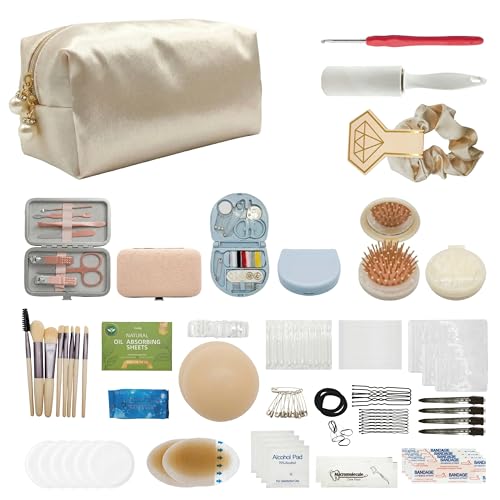 Travel Wedding Emergency Kit
Everything you need for destination day
$28.99 on Amazon →
Travel Wedding Emergency Kit
Everything you need for destination day
$28.99 on Amazon →
 Portable Champagne Flutes
Travel-friendly toasting glasses
$29.95 on Amazon →
Portable Champagne Flutes
Travel-friendly toasting glasses
$29.95 on Amazon →
 Photo Props Kit
Lightweight props for destination photos
$23.99 on Amazon →
Photo Props Kit
Lightweight props for destination photos
$23.99 on Amazon →
Who Destination Weddings Are Really For
Not every couple suits a destination wedding, and that's perfectly fine. Understanding whether this format aligns with your values, family situation, and priorities matters more than any budget consideration.
Ideal Candidates for Destination Weddings
- Travel-loving couples who see the wedding as the start of an adventure, not just an event
- Families spread globally where no single location is "home" anyway
- Couples wanting natural guest filtering who prefer an intimate group without awkward exclusions
- Multi-day celebration enthusiasts who value the extended time with loved ones
- Those avoiding local family politics by creating neutral territory
Consider Other Options If...
- You have elderly or disabled family members who cannot travel
- Your guest list includes many who genuinely cannot afford destination travel
- You'd feel heartbroken if certain people couldn't attend due to logistics
- You want a large celebration with 150+ guests all present
- Your families expect and have contributed toward a traditional local celebration
Reality Check: If you send 120 destination wedding invitations, plan for 50-70 guests to attend. Some couples love this natural filtering; others feel constant disappointment throughout planning as RSVPs decline. Know yourself before committing to this format.
Complete Destination Wedding Budget Breakdown
This sample budget represents a 60-guest destination wedding in Mexico at a mid-range all-inclusive resort. It includes all couple expenses but not guest travel costs, which guests cover themselves.
| Category | Amount | % of Budget | Notes |
|---|---|---|---|
| Resort Wedding Package | $8,500 | 21% | Ceremony, reception venue, coordinator, décor basics |
| Catering Upgrade | $4,200 | 10.5% | Premium menu upgrade, $70/person above package |
| Open Bar Upgrade | $2,400 | 6% | Top-shelf spirits, champagne toast, $40/person |
| Couple's Travel | $2,800 | 7% | Flights, 7 nights lodging, transfers |
| Photography Package | $4,500 | 11% | Local photographer, 8 hours + engagement/trash the dress |
| Videography | $2,200 | 5.5% | Highlight film + ceremony footage |
| Floral Upgrades | $1,800 | 4.5% | Bouquets, centerpiece enhancements, arch décor |
| Welcome Bags | $900 | 2% | Local snacks, hangover kits, itineraries, $15/person |
| Welcome Party | $2,000 | 5% | Poolside cocktail reception, night before wedding |
| Rehearsal Dinner | $2,400 | 6% | Private dinner for wedding party and family |
| Group Activities | $1,500 | 4% | Snorkeling excursion, farewell brunch contribution |
| Music/Entertainment | $1,800 | 4.5% | DJ + ceremony musicians upgrade |
| Attire | $2,000 | 5% | Dress, suit, alterations, accessories |
| Hair & Makeup | $600 | 1.5% | Trials + wedding day, humidity-proof styling |
| Legal Fees & Documents | $400 | 1% | Marriage license, translations, apostilles |
| Contingency | $2,000 | 5% | Currency fluctuations, upgrades, emergencies |
| Total Couple Investment | $40,000 | 100% | 60 guests, $667/person to couple |
What This Budget Doesn't Include
Guest flights and accommodations (their responsibility), engagement party at home, post-wedding reception for those who couldn't attend ($3,000-$8,000 if planned), wedding insurance ($300-$600 recommended), or visa fees for certain nationalities.
Destination Wedding Locations Compared
Choosing your destination involves balancing budget, ease of access for guests, legal requirements, and your vision. Here's how popular destinations compare for couple costs.
Mexico (Riviera Maya)
Best value for Caribbean-style beach weddings. All-inclusive packages simplify planning. Short flight from US. Easy legal process (civil ceremony + symbolic option). Peak season: December-April.
Italy (Tuscany/Amalfi)
High vendor costs, venue rental fees, and legal complexity. Requires 6+ months planning. Residency requirements vary by region. Peak wedding season conflicts with tourist season. Stunning but expensive.
Caribbean (Jamaica/Aruba)
Resort packages widely available. English-speaking simplifies coordination. Established destination wedding industry. Hurricane season (June-November) affects pricing and risk. Generally straightforward legal process.
Hawaii (Maui/Kauai)
No passport needed for US couples. US legal system simplifies marriage. Higher costs than international tropics. Peak prices December-April. Excellent vendor quality. Permit required for beach ceremonies.
Greece (Santorini/Mykonos)
Iconic caldera backdrops command premium pricing. Limited venue capacity (many cap at 50-80 guests). Complex legal requirements for non-EU couples. Best May-September. Book 18+ months ahead for Santorini.
Costa Rica
Eco-luxury options at reasonable prices. Adventure-focused activities. Mix of beach and rainforest venues. Strong USD exchange rate. Rainy season (May-November) brings lower prices. Simple legal process.
All-Inclusive vs. Independent Planning
The biggest decision in destination wedding planning isn't the location—it's whether to use all-inclusive resort packages or plan independently with a destination planner. Each approach suits different couples.
All-Inclusive Resort Packages
- Package pricing: $5,000-$25,000 base
- One-stop coordination through resort
- Predictable costs in one currency
- Limited customization options
- Built-in backup for weather
- Guests stay at reception venue
- Best for: Beach weddings, 30-80 guests, couples wanting simplicity
Independent Destination Planning
- Destination planner: $3,000-$10,000
- Unique venues (castles, villas, estates)
- Full creative control
- Requires trusting remote vendors
- Transportation logistics complex
- Higher risk, higher reward
- Best for: Specific visions, villa takeovers, couples with flexibility
What All-Inclusive Packages Actually Include
Understanding resort wedding packages prevents surprise upgrade costs. A typical $8,000-$12,000 all-inclusive wedding package includes:
- Ceremony location and setup (beach, gazebo, or garden)
- Basic floral (bride bouquet, groom boutonniere, small altar arrangement)
- Wedding coordinator on property
- Symbolic ceremony officiant
- Sparkling wine toast
- Wedding cake (typically tier or sheet cake)
- Reception venue for 4-6 hours
- Basic DJ or recorded music
- Table settings and basic décor
What you'll likely upgrade: photography ($2,000-$5,000), premium catering menu ($40-$100/person), open bar tier ($25-$50/person), floral enhancements ($500-$3,000), live music ($1,000-$3,000), lighting and additional décor ($500-$2,000).
Legal Requirements by Destination
Marriage laws vary dramatically by country. Some destinations make legal marriage simple; others require weeks of residency, blood tests, or complex paperwork. Many couples simplify by legally marrying at home and having a symbolic ceremony abroad.
Mexico
Relatively easy. Blood tests required (can be done locally). 3 business days in-country before ceremony. Four witnesses needed. Civil ceremony required if legally binding.
Jamaica
Very simple. 24-hour residency requirement. No blood tests. Witnesses arranged by resort. English paperwork. Popular for quick legal ceremonies.
Italy
Complex. Nulla Osta (no impediment) certificate required from home country. Civil ceremony at town hall separate from religious. 2+ weeks processing. Most couples marry legally at home.
France
Very complex. 40-day residency required. Not practical for most couples. Legal ceremony at Mairie (town hall). Virtually all France destination weddings are symbolic only.
Greece
Moderate complexity. Orthodox church ceremonies require baptismal proof. Civil ceremonies require multiple documents. Apostilles needed. Plan 2-3 months for paperwork.
Hawaii
Simple (US territory). Standard US marriage license process. No waiting period. No blood tests. License valid immediately. Easiest legal destination for US couples.
Simplest Approach: Get legally married at your local courthouse 1-2 weeks before departure, then hold your beautiful destination ceremony without legal stress. This avoids apostilles, translations, blood tests, residency requirements, and the risk of paperwork issues preventing your marriage.
Destination Wedding Planning Timeline
Destination weddings require longer planning horizons than local weddings. Your guests need lead time for travel planning, and international vendors need more coordination.
18 Months Before
Choose destination and narrow venue options. Begin research on legal requirements. Set preliminary budget. For peak season (December-April for tropical, May-September for Europe), booking this far ahead is essential.
12 Months Before
Book venue and/or resort wedding package. Send save-the-dates to all invited guests—they need maximum time to plan travel. Book photographer (destination wedding photographers book early). Hire destination wedding planner if going independent route.
9 Months Before
Negotiate and book hotel room block for guests. Research and book flights (prices increase closer to date). Begin legal paperwork process if having legally binding ceremony. Book videographer and musicians.
6 Months Before
Send formal invitations with detailed travel information. Finalize menu, bar, and catering upgrades. Plan welcome party and group activities. Book hair and makeup trials (during site visit if possible). Confirm all legal documents are in process.
3 Months Before
RSVP deadline (guests need to book travel). Finalize head count for catering. Conduct virtual planning meetings with vendors. Create detailed day-of timeline. Plan welcome bag contents and order items.
1 Month Before
Confirm all vendor details in writing. Finalize payments and gratuity envelopes. Create and send final itinerary to guests. Confirm guest flight and arrival information for transportation coordination. Final dress fitting before packing.
Week Of
Arrive 3-5 days before wedding for site visits, vendor meetings, and relaxation. Host welcome party night before. Conduct ceremony rehearsal. Distribute welcome bags as guests arrive. Enjoy the experience you've planned.
Guest Communication and Etiquette
Destination weddings demand more guest communication than traditional celebrations. Your guests are investing significant time and money—respect that investment with clear, thorough information.
Save-the-Date Requirements
Send destination wedding save-the-dates 10-12 months before your wedding—minimum. Include: exact dates (including travel buffer), destination city and country, wedding website URL with travel details, and an honest note about expected guest costs. Some couples include estimated travel costs directly to set expectations.
What Your Wedding Website Must Include
- Venue name, address, and how to arrive (airport, transfers)
- Hotel room block details with booking code and deadline
- Passport and visa requirements for your guest nationalities
- Recommended flight options and booking tips
- Detailed schedule: welcome party, ceremony, reception, activities
- Dress code guidance appropriate to location (beach formal, etc.)
- Weather expectations and packing suggestions
- Your registry (smaller gifts appropriate given guest travel costs)
The Gift Question
Guests traveling for your wedding are already giving you thousands of dollars worth of investment. It's appropriate to communicate that their presence is your gift. If you have a registry, keep it modest or suggest honeymoon fund contributions in lieu of traditional gifts. Never make guests feel their travel investment isn't enough.
Common Destination Wedding Mistakes
Avoid these pitfalls that consistently cause destination wedding stress and budget overruns.
Underestimating Hosting Responsibilities
You've asked guests to travel across the world for your wedding. They expect more than a ceremony—welcome dinners, group activities, quality time with you, and assistance with logistics. Budget $1,500-$4,000 for hosting events beyond the wedding itself. Your rehearsal dinner becomes a significant production, not a casual gathering.
Ignoring Currency and Payment Complexity
International vendor payments involve exchange rate fluctuations, wire transfer fees ($25-$50 each), and sometimes payment platform limitations. A venue quoted at €20,000 might cost $22,000 or $24,000 by your payment date. Build 5-10% currency buffer into your budget. Request payment milestones rather than large lump sums to spread exchange risk.
Skipping the Site Visit
Never finalize a destination wedding venue without visiting in person. Photos lie. What looks like a private beach might border a busy resort pool. That charming Italian villa might be a 90-minute drive from the airport on winding mountain roads. Budget $1,500-$4,000 for a site visit trip—it's non-negotiable for independent planning.
Choosing Peak Tourist Season
Peak wedding season often overlaps peak tourist season—meaning maximum prices, crowded venues, and guests competing with vacationers for flights and hotels. Consider shoulder seasons: Tuscany in May or October, Caribbean in May (post-spring break, pre-hurricane), Mexico in November. Shoulder season can save 20-30% while offering better availability.
Forgetting the Backup Plan
Outdoor tropical ceremonies risk rain. Indoor European venues may lack air conditioning during heat waves. Beach ceremonies can be disrupted by wind. Always confirm your venue's weather backup plan and ensure it's included in your package. "We'll move indoors" needs to specify where, with what décor, with what capacity.
Frequently Asked Questions
Destination weddings can be comparable in cost when including couple travel, venue premiums, and destination vendor fees. However, destination weddings naturally limit guest count—the average destination wedding hosts 50-75 guests versus 120-150 for traditional weddings. This smaller guest list often results in lower overall spending despite higher per-person costs. The couple typically saves on local venues but spends more on their own travel and accommodation.
Guests are expected to pay for their own flights and accommodations at destination weddings. The couple typically covers welcome bags, group activities, and the rehearsal dinner. Some couples subsidize guest costs by negotiating room blocks with discounted rates (10-20% off), arranging group flight deals, or covering one night's accommodation. It's considered inappropriate to expect the same gift value from guests paying travel costs.
Plan 12-18 months minimum for destination weddings, longer for peak seasons or popular venues. Your guests need time to save money, request time off work, and arrange travel—send save-the-dates 9-12 months before. Legal requirements vary by country and may require paperwork submitted 3-6 months early. Popular destinations like Santorini, Amalfi Coast, and Caribbean resorts book 18-24 months ahead for peak season dates.
Mexico (particularly Riviera Maya and Cancun) offers excellent value with all-inclusive packages starting at $5,000-$15,000. Costa Rica combines tropical beauty with moderate costs. Dominican Republic provides Caribbean aesthetics at lower prices than Jamaica or Bahamas. For European destinations, Portugal and Croatia offer better value than Italy or France. Domestic destinations like Florida Keys, Hawaii, and Puerto Rico avoid passport and legal complexity while delivering destination atmosphere.
Every country has different marriage laws. Some (Mexico, Jamaica) are relatively simple with 1-3 days required in-country before the ceremony. Others (France, Italy) require weeks of residency or complex paperwork. Many couples simplify by legally marrying at home and holding a symbolic ceremony abroad—this avoids apostille documents, blood tests, witness requirements, and translation fees. Check specific requirements 6+ months before your planned date.
Work with a destination wedding planner who has local connections—attempting to vet vendors from abroad is extremely difficult. Resort wedding coordinators handle vendor relationships for all-inclusive packages. For independent planning, request video consultations with key vendors, review portfolios extensively, and ask for references from couples who married at your specific venue. Platform sites like Destination Wedding Details and destination-specific wedding blogs provide vendor directories.
All-inclusive resorts simplify destination wedding planning dramatically—they handle catering, venue, coordination, and often ceremonies within package pricing. This works best for beach weddings with 30-75 guests. Independent planning offers more customization and unique venues (castles, vineyards, private villas) but requires a destination wedding planner ($3,000-$8,000) and significant coordination. Choose all-inclusive for simplicity; choose independent for vision-specific celebrations.
Plan Your Destination Wedding Budget
Use our free calculator to build a custom budget for your destination celebration, or explore other wedding approaches.