Written by the WeddingBudgetCalc Editorial Team · Last updated January 07, 2026
Our team combines wedding planning expertise with financial analysis. Data sourced from The Knot, Zola, and vendor surveys across 50 states.
Winter Wedding Season Overview
Winter is the wedding industry's best-kept secret for budget-conscious couples. From December through February, demand drops significantly, giving couples negotiating power they simply don't have in peak months. The average winter wedding costs $27,000—roughly 13% below the national average and up to 25% less than peak summer pricing.
The savings aren't just about lower demand. During winter months, vendors actively seek bookings to fill otherwise empty calendars. A photographer who's fully booked through October suddenly has flexibility in January. A venue that holds firm on June pricing becomes willing to negotiate package deals for February dates. The entire industry shifts from seller's market to buyer's market.
Beyond budget, winter weddings offer something peak season can't: intimate, cozy romance. Candlelit receptions, crackling fireplaces, velvet textures, and the magic of potential snowfall create atmospheres that summer simply cannot replicate. Couples who embrace winter's aesthetic rather than fighting it often describe their weddings as more personal and memorable than any summer celebration.
Of course, winter comes with tradeoffs. Weather can disrupt travel plans. Outdoor ceremonies are generally off the table in cold climates. And the holiday season creates its own scheduling challenges. But for couples willing to work around these constraints, the financial savings and unique ambiance make winter an increasingly popular choice.
Month-by-Month Winter Wedding Costs
December
$30,000 avg.
Holiday season creates mixed pricing. Early December offers moderate savings. Christmas week and New Year's Eve command premium rates. Venues may have holiday decor already up—free ambiance. Post-holiday availability opens January scheduling.
January
$25,000 avg.
Deepest off-season with biggest savings. Post-holiday lull means desperate vendors and flexible pricing. New Year's resolutions mean fewer couples planning. Weather risk highest but negotiating power at maximum. Best month for budget maximization.
February
$27,000 avg.
Valentine's Day proximity adds romantic appeal. Valentine's weekend itself commands premium. President's Day weekend offers three-day option. Short month means fewer Saturdays to choose from. Weather slightly more predictable than January.
Why Winter Weddings Cost Less
Supply Exceeds Demand
The fundamental economics of winter weddings favor couples. While vendors have fixed capacity year-round, demand concentrates in warmer months. A photographer who could work 40 weekends a year might only book 15-20 in winter. That unused capacity becomes leverage for couples willing to book off-peak.
Vendors Need Winter Bookings
Many wedding professionals experience cash flow challenges during winter. A florist whose summer Saturdays sold out at premium rates in February now has empty weekends and bills to pay. This creates genuine motivation to negotiate—not just on price, but on package inclusions, add-ons, and flexibility.
Indoor Focus Simplifies Planning
Winter weddings are indoor affairs by necessity, which eliminates several variable costs. No tent rentals for weather backup. No outdoor sound systems. No climate control for outdoor spaces. The forced simplicity often reduces overall vendor count and complexity.
Shorter Days, Shorter Events
Earlier sunsets mean ceremonies start earlier and receptions can end sooner without feeling truncated. A reception that ends at 10pm in winter feels complete in a way that might feel abrupt in summer. Shorter event windows mean lower hourly costs for vendors like DJs, photographers, and catering staff.
January: The Deep Discount Month
January offers the deepest wedding discounts of the year. Post-holiday budget fatigue and New Year's resolution focus mean few couples are actively booking. Vendors who haven't filled their calendars become increasingly flexible. Some couples report 25-30% savings on identical packages compared to peak season quotes.
Maximizing Winter Wedding Value
- Target January or early February—these months offer the deepest discounts. December's holiday proximity and late February's Valentine's influence add premiums.
- Ask vendors for off-season packages—many vendors have unpublished winter rates or are willing to create custom packages. Ask directly: "Do you offer different pricing for winter dates?"
- Leverage venue holiday decorations—December weddings can benefit from existing holiday decor. Greenery, lights, and elegant holiday touches may already be in place, reducing your decoration needs.
- Embrace winter aesthetics—velvet, candlelight, evergreen branches, and metallic accents create warmth without expensive florals. Winter palettes (deep burgundy, navy, forest green, gold) photograph beautifully.
- Choose venues with built-in ambiance—fireplaces, exposed brick, warm lighting, and intimate spaces shine in winter. Venues that need transformation in summer are already cozy in winter.
- Negotiate harder than you would in summer—winter vendors genuinely need bookings. Don't accept first offers. Ask for upgrades, extended coverage, or price reductions.
- Consider weekday dates—winter weekday weddings offer double discounts: off-season plus off-peak day. A Thursday January wedding might cost 40% less than a June Saturday.
Best and Worst Winter Wedding Dates
Best value dates: Any January weekend, early February (non-Valentine's), first two weekends of December before holiday craziness peaks.
Most expensive dates: New Year's Eve (often MORE expensive than summer), Christmas week, Valentine's Day weekend, any date with holiday travel conflicts.
Best Venues and Vendors for Winter Weddings
Ideal Winter Wedding Venues
Winter weddings thrive in venues with built-in warmth and character. The right space requires minimal decoration and creates instant atmosphere.
- Historic mansions with fireplaces—crackling fires create romance you cannot buy. Many estates offer winter packages with lower minimums and included decor.
- Boutique hotels with intimate ballrooms—hotel weddings simplify winter logistics. Guests can walk from rooms to the celebration without weather exposure.
- Restaurants with private dining—restaurant buyouts shine in winter. Cozy spaces feel intentional rather than cramped, and kitchens deliver exceptional food without catering logistics.
- Ski resorts and mountain lodges—winter is their peak season for a reason. Guests can make a weekend of it, and the scenery is spectacular.
- Art galleries and museums—indoor venues with architectural interest provide visual drama without seasonal flowers. White walls and interesting spaces photograph beautifully.
- Industrial lofts with exposed brick—urban warmth through texture and lighting. These spaces transform with candles, string lights, and velvet touches.
Best Vendors for Winter Weddings
Certain vendor specialties complement winter celebrations particularly well:
- Florists who excel at greenery and texture—the best winter florists understand that less is more. Eucalyptus, evergreen, berries, and white florals create stunning arrangements that embrace the season.
- Photographers comfortable with indoor and low-light work—winter photography requires technical skill with indoor lighting, flash, and shorter outdoor windows. Review winter portfolios specifically.
- Caterers specializing in comfort food—winter menus should warm guests. Caterers who excel at rich, seasonal dishes (braised meats, root vegetables, warm soups) outperform those focused on summer fare.
- Lighting designers—winter weddings benefit enormously from professional lighting. Candlelight, string lights, and uplighting create the cozy atmosphere that makes winter celebrations magical.
- DJs who understand earlier timelines—winter receptions often start and end earlier. DJs who can build energy faster and read rooms well suit winter celebrations.
Vendor Negotiation in Winter
Winter gives you maximum negotiating power. Vendors need bookings to fill empty calendars and cover slow-season expenses. Don't accept first quotes—ask for winter-specific pricing, package additions, or upgraded services at the same rate. Many vendors will agree to requests they'd refuse in June.
Tips for a Successful Winter Wedding
- Have a weather contingency plan—snowstorms can disrupt travel. Choose a venue with overnight accommodations or nearby hotels. Consider a "snow date" clause in vendor contracts for severe weather.
- Provide guest comfort amenities—coat check is essential (budget $200-400). Consider blankets on chairs, warm beverages at the ceremony, and hand warmers in welcome bags.
- Plan photo timing carefully—winter daylight is limited (often sunset by 4:30-5pm). Schedule outdoor photos early or embrace stunning nighttime shots with lighting.
- Embrace the season in your design—velvet ribbons, candlelight, metallic accents, evergreen branches, and rich colors (burgundy, navy, emerald) create warmth. Don't fight winter aesthetics.
- Communicate winter logistics clearly—your wedding website should address weather contingencies, parking, shuttle services, and appropriate attire. Help guests prepare.
- Consider earlier ceremony times—3pm ceremonies capture daylight for photos and allow receptions to end by 9-10pm. Guests appreciate not driving home late on winter roads.
- Warm up your cocktail menu—hot toddies, mulled wine, spiked cider, and espresso martinis feel seasonally appropriate. Warm beverages are memorable touches.
- Check vendor cancellation policies carefully—ensure contracts address weather-related rescheduling. Good vendors will have reasonable clauses for extreme conditions.
Winter Wedding Pros and Cons
Advantages
- Biggest budget savings—15-25% below peak season across all vendor categories
- Easier vendor booking—more availability and flexibility on dates and packages
- Maximum negotiating power—vendors want your business during slow months
- Cozy, romantic atmosphere—candlelight, fireplaces, and intimate settings
- Unique aesthetic—winter weddings stand out from typical summer celebrations
- Less competition—your wedding won't compete with dozens of others that weekend
Challenges
- Weather-related travel risks—snowstorms can disrupt guest travel and vendor arrivals
- Limited outdoor options—outdoor ceremonies impractical in cold climates
- Shorter daylight hours—outdoor photos require earlier timing
- Holiday season conflicts—December dates compete with family obligations
- Some guest reluctance—travel during winter may deter some attendees
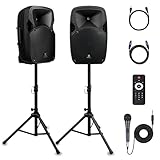 PRORECK Party 12 Powered PA System
A DJ is one of the biggest line items on any wedding budget. If someone you know can run a playlist, this is the difference between hiring one and not.
See it on Amazon →
PRORECK Party 12 Powered PA System
A DJ is one of the biggest line items on any wedding budget. If someone you know can run a playlist, this is the difference between hiring one and not.
See it on Amazon →
 Amazon Basics 46,000 BTU Patio Heater
Outdoor evening receptions live or die on this. Renting three for a night often costs more than buying two.
See it on Amazon →
Amazon Basics 46,000 BTU Patio Heater
Outdoor evening receptions live or die on this. Renting three for a night often costs more than buying two.
See it on Amazon →
 DazzlingStage Wireless Battery Uplights (6)
Battery uplights need no cable runs, so a venue that bans taped-down leads still lets you use them. The cheapest thing that changes how a room photographs.
See it on Amazon →
DazzlingStage Wireless Battery Uplights (6)
Battery uplights need no cable runs, so a venue that bans taped-down leads still lets you use them. The cheapest thing that changes how a room photographs.
See it on Amazon →
 Efavormart 8 ft Gold Hexagonal Arch
Heavy-duty metal rated to 100 lbs, and it resells afterwards, which is the part hiring one never does.
See it on Amazon →
Efavormart 8 ft Gold Hexagonal Arch
Heavy-duty metal rated to 100 lbs, and it resells afterwards, which is the part hiring one never does.
See it on Amazon →


