Written by the WeddingBudgetCalc Editorial Team · Last updated January 07, 2026
Our team combines wedding planning expertise with financial analysis. Data sourced from The Knot, Zola, and vendor surveys across 50 states.
Summer Wedding Season Overview
Summer is the undisputed king of wedding seasons. From early June through late August, more couples exchange vows than any other time of year—and they pay a premium for the privilege. The average summer wedding costs $35,000, roughly 13% above the national average of $31,000.
The appeal is obvious: long golden-hour evenings that stretch past 8pm, outdoor venue options at their prime, school breaks that allow families to travel, and the simple fact that "summer wedding" has become synonymous with celebration in American culture. June weddings in particular carry decades of tradition, from post-graduation celebrations to the practical reality that teachers and students are finally free to travel.
But summer's popularity creates its own challenges. Every vendor's calendar fills first with June, July, and August Saturdays. Venues that might negotiate in January hold firm on their peak rates. Photographers who offer package deals in winter months quote their premium rates for July. The economics of supply and demand work against summer couples, who often find themselves paying 15-25% more across every category.
Then there's the heat. While summer's warm weather enables outdoor celebrations, it also creates comfort challenges. Tent rentals need cooling systems. Outdoor ceremonies require shade structures. Chocolate fountains melt. Buttercream frosting struggles. Guests in formal attire wilt in 90-degree heat. Smart summer wedding planning means budgeting for comfort—and that adds to the total.
Month-by-Month Summer Wedding Costs
June
$36,000 avg.
The most expensive wedding month. Traditional "wedding month" status drives extreme demand. Father's Day weekend premium. Perfect weather nationwide makes every Saturday highly contested.
July
$34,000 avg.
Peak vacation month reduces some demand as guests travel. July 4th weekend commands premium pricing. Heat becomes significant factor in southern states. Slightly better vendor availability than June.
August
$35,000 avg.
End-of-summer urgency as couples race to marry before fall. Back-to-school conflicts emerge. Labor Day weekend (early September) spillover affects late August. Hottest month in many regions.
Why Summer Weddings Cost More
Vendor Demand Peaks
Every wedding vendor builds their business around summer. Photographers shoot 60-70% of their annual weddings between May and September. DJs and bands book solid through the summer months. When demand outstrips supply this dramatically, prices rise—and vendors have no incentive to negotiate. A photographer who's already booked every June Saturday won't discount their July rate.
Outdoor Venue Premium
Summer unlocks outdoor venues that sit dormant in winter. Gardens, vineyards, beach properties, and estate lawns reach peak beauty—and charge accordingly. A venue that rents for $6,000 in February might command $10,000-12,000 for a June Saturday. The same space, dramatically different pricing.
Extended Hours Mean Extended Costs
Summer's long days affect your budget in subtle ways. Sunset at 8:30pm means ceremonies start later, receptions run longer, and per-hour vendor costs accumulate. A reception that runs from 6pm to midnight is six hours of DJ time, catering staff, and venue rental—compared to five hours if an earlier winter sunset had pushed the timeline earlier.
Climate Control Costs
Heat management is a hidden summer budget line. Tent rentals need AC units or industrial fans. Outdoor bars need refrigeration. Some venues charge "summer surcharges" for increased cooling costs. Guest comfort amenities—fans, water stations, shade structures—add $1,500-3,000 that winter weddings don't require.
Travel Season Compression
Summer is when everyone travels, which affects hotel block pricing. Destination wedding guests compete with vacationers for flights and rooms. Hotel minimums increase. Negotiating power decreases when hotels know they'll fill rooms regardless.
The July Advantage
July offers a small break in summer's premium pricing. While still expensive, July's vacation conflicts mean slightly fewer couples competing for dates. Non-holiday July weekends can save 5-8% compared to June, while still delivering full summer vibes.
Summer Wedding Savings Strategies
- Choose July over June—the "traditional wedding month" premium in June adds 3-5% across all vendors. July's vacation season actually works in your favor, reducing competition slightly.
- Avoid holiday weekends completely—July 4th weekend and Labor Day command the highest premiums. Mid-month weekends offer better value.
- Book midweek for dramatic savings—a Wednesday or Thursday summer wedding can save 30-40% while still delivering long summer evenings and outdoor venue options.
- Consider morning or brunch timing—temperatures at 10am are 15-20 degrees cooler than 4pm peaks. Brunch receptions cost less, alcohol consumption is lighter, and you skip the hottest part of the day.
- Choose indoor venues strategically—air-conditioned venues eliminate tent and cooling rentals. A beautiful indoor space might cost more upfront but saves $3,000-5,000 in climate control.
- Book 18+ months ahead—summer dates book earliest. Early booking means negotiating before vendors' calendars fill, when they still have incentive to offer package deals.
- Use seasonal summer flowers—dahlias, sunflowers, zinnias, and garden roses are abundant and affordable. Importing peonies (spring) or ranunculus (spring) costs extra.
- Shorten your cocktail hour—heat makes long outdoor cocktail hours uncomfortable anyway. A 30-minute cocktail hour saves on appetizers and bar service.
Best and Worst Summer Wedding Dates
Best value dates: Mid-July non-holiday Fridays or Sundays, early August weekdays, any summer Sunday brunch.
Most expensive dates: Any June Saturday, July 4th weekend, Labor Day weekend, any Saturday evening in peak summer.
Best Venues and Vendors for Summer Weddings
Ideal Summer Wedding Venues
Summer's long days and warm weather open venue possibilities unavailable in other seasons, but heat management should drive your selection.
- Waterfront venues—lakeside estates, beach clubs, and riverside properties benefit from natural breezes and cooling water proximity. Sunset photos over water are summer's signature backdrop.
- Air-conditioned ballrooms with outdoor ceremony space—the best of both worlds: outdoor photos and ceremony, indoor comfort for dinner and dancing.
- Vineyard and winery estates—summer vines in full leaf create natural shade and stunning rows of green. Many offer barrel rooms for cool reception alternatives.
- Mountain venues at elevation—temperatures drop 3-5 degrees per 1,000 feet of elevation. Mountain resorts offer natural air conditioning and spectacular views.
- Garden estates with mature trees—established gardens with large shade trees provide natural cooling. Avoid fully exposed lawn venues without shade options.
- Rooftop venues with evening timing—urban rooftops become magical after sunset when temperatures drop. Schedule ceremonies for 6pm+ to avoid peak heat.
Best Vendors for Summer Weddings
Summer's challenges require vendors with specific expertise:
- Photographers experienced in harsh light—summer's strong midday sun creates challenging lighting. Look for photographers with galleries showing well-exposed outdoor summer shots without harsh shadows.
- Caterers with heat-safe menu expertise—experienced summer caterers know which foods travel well in heat and which become food safety risks. Ask specifically about their hot weather menu adaptations.
- Bakers who specialize in summer-stable designs—buttercream melts; some frostings don't. Summer wedding bakers should recommend heat-stable options like fondant, ganache, or naked cake styles.
- Florists comfortable with heat-hardy blooms—tropical flowers, succulents, and hardy summer blooms hold up better than delicate varieties. Ask about refrigerated transport and on-site storage.
- Tent and rental companies with cooling solutions—the best summer rental companies offer integrated cooling packages: AC units, industrial fans, misting systems, and proper tent ventilation.
Vendor Booking Timeline for Summer
June Saturdays book fastest—secure venues 15-18 months ahead, photographers 12-14 months. July and August offer slightly more flexibility but still require 12+ month lead time for popular vendors. For prime June dates, some venues book two years out.
Tips for a Successful Summer Wedding
- Time ceremonies strategically—schedule outdoor ceremonies for before 11am or after 5pm to avoid peak heat. Late afternoon ceremonies (5:30-6pm) capture golden hour lighting without midday sun intensity.
- Prioritize shade everywhere guests gather—ceremony seating, cocktail areas, and photo locations all need shade options. Rent umbrellas, tents, or choose naturally shaded spots.
- Hydration stations are non-negotiable—provide water throughout the venue, not just at the bar. Infused water, lemonade stations, and ice water at ceremony seating prevent heat-related discomfort.
- Choose heat-appropriate attire—lightweight fabrics for the wedding party, dress code guidance for guests. A "summer formal" note gives guests permission to skip heavy suits.
- Have a cake backup plan—display a decorated dummy tier and serve sheet cake from refrigeration, or choose stable alternatives like macarons, ice cream, or cupcakes served from coolers.
- Brief your photographer on shade priorities—outdoor portraits in midday sun produce squinting and harsh shadows. Plan photo sessions for morning, late afternoon, or shaded locations only.
- Consider guest comfort favors—personal fans, sunglasses, or cold towels make thoughtful summer welcome bags. These small touches show care and keep guests comfortable.
- Plan for insect control—summer evenings bring mosquitoes. Citronella candles, bug spray stations, and professional spraying before outdoor events prevent guest discomfort.
Summer Wedding Pros and Cons
Advantages
- Long golden-hour evenings—sunset photography possibilities extend past 8pm in most regions
- Outdoor venues at their peak—gardens, vineyards, and estates showcase summer blooms
- Guest availability—school breaks, vacation time, and the wedding season mindset mean more RSVPs
- Destination wedding potential—summer weather makes travel weddings appealing
- Abundant seasonal flowers—roses, dahlias, hydrangeas, and sunflowers at peak
Challenges
- Highest prices across all categories—13% above national average with limited negotiation room
- Heat and humidity concerns—guest comfort requires planning and budget
- Everyone else is also getting married—vendors are stretched thin, service quality can vary
- Outdoor comfort challenges—formal attire and summer heat don't mix well
- Competition for dates—popular vendors book 12-18 months ahead
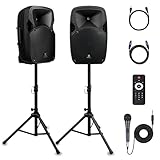 PRORECK Party 12 Powered PA System
A DJ is one of the biggest line items on any wedding budget. If someone you know can run a playlist, this is the difference between hiring one and not.
See it on Amazon →
PRORECK Party 12 Powered PA System
A DJ is one of the biggest line items on any wedding budget. If someone you know can run a playlist, this is the difference between hiring one and not.
See it on Amazon →
 Amazon Basics 46,000 BTU Patio Heater
Outdoor evening receptions live or die on this. Renting three for a night often costs more than buying two.
See it on Amazon →
Amazon Basics 46,000 BTU Patio Heater
Outdoor evening receptions live or die on this. Renting three for a night often costs more than buying two.
See it on Amazon →
 DazzlingStage Wireless Battery Uplights (6)
Battery uplights need no cable runs, so a venue that bans taped-down leads still lets you use them. The cheapest thing that changes how a room photographs.
See it on Amazon →
DazzlingStage Wireless Battery Uplights (6)
Battery uplights need no cable runs, so a venue that bans taped-down leads still lets you use them. The cheapest thing that changes how a room photographs.
See it on Amazon →
 Efavormart 8 ft Gold Hexagonal Arch
Heavy-duty metal rated to 100 lbs, and it resells afterwards, which is the part hiring one never does.
See it on Amazon →
Efavormart 8 ft Gold Hexagonal Arch
Heavy-duty metal rated to 100 lbs, and it resells afterwards, which is the part hiring one never does.
See it on Amazon →


