Written by the WeddingBudgetCalc Editorial Team · Last updated January 07, 2026
Our team combines wedding planning expertise with financial analysis. Data sourced from The Knot, Zola, and vendor surveys across 50 states.
Spring Wedding Season Overview
Spring weddings hold a special place in the wedding industry, ranking alongside fall as peak wedding season. From late March through May, couples are drawn to blooming gardens, cherry blossoms, and the promise of fresh beginnings that perfectly symbolize new marriages. But this romantic appeal comes with a price tag—spring weddings average about 6% more than the national average.
The appeal is understandable. Spring offers mild temperatures in most regions, stunning natural backdrops without the scorching heat of summer, and a palette of soft pastels that photograph beautifully. Tulips, peonies, ranunculus, and cherry blossoms reach their peak, creating organic beauty that would cost a fortune to replicate artificially in other seasons.
However, that natural beauty drives competition. Every couple with a Pinterest board full of garden wedding inspiration is competing for the same May Saturday at the same venues. Photographers book their spring weekends 12-18 months in advance. Florists charge premium rates when everyone wants the same seasonal blooms. The economics are simple: high demand equals high prices.
Weather adds another variable. "April showers" isn't just an expression—spring precipitation is a real planning concern. Temperature swings between morning and evening can exceed 20 degrees, making attire choices tricky. Smart couples budget for weather contingencies like tent rentals or indoor backup options, adding $2,000-5,000 to the total cost.
Month-by-Month Spring Wedding Costs
Not all spring months are created equal. Understanding the pricing differences between March, April, and May can help you find savings while still enjoying a spring wedding.
March
$30,000 avg.
Early spring transition month. First two weeks still carry winter pricing. Weather unpredictable but savings significant. Spring break timing varies by region—check local school calendars.
April
$33,000 avg.
True spring arrives with demand to match. Peak bloom times for many flowers. Easter weekend premium applies. Rain probability highest of the three months.
May
$35,000 avg.
Most expensive spring month. Memorial Day weekend commands highest premiums. Perfect weather in most regions. College graduations compete for venues and hotels. Mother's Day weekend also pricey.
Why Spring Weddings Cost More
Spring wedding premiums aren't arbitrary—they reflect real market dynamics that affect every vendor category. Understanding these factors helps you negotiate better and find savings opportunities others miss.
Flower Pricing and Availability
Flowers show the biggest spring premium at 15% above national average. The irony? Spring is when flowers are most abundant. The premium comes from demand concentration—everyone wants peonies, tulips, and ranunculus during their brief peak seasons. Florists must secure inventory months ahead, often paying premium rates for guaranteed supply. Choosing abundant seasonal varieties over trendy imports can reduce floral costs by 20-30%.
Venue Competition
Garden venues, estates with spring blooms, and outdoor spaces command their highest rates from April through May. An outdoor venue that rents for $5,000 in January might charge $8,000-10,000 for a May Saturday. Indoor venues see smaller increases but still capitalize on overall demand. Booking 15-18 months ahead gives you first pick and sometimes pre-increase pricing.
Vendor Demand Creates Leverage
When every Saturday in May is booked, vendors have no incentive to negotiate. The couple who books 18 months out gets vendor attention and possibly better rates. Wait until 6 months before a spring date, and you'll pay premium prices for whoever's still available—which may not be your first choice.
Weather Backup Requirements
Spring weather is beautiful but unpredictable. Rain plans aren't optional—they're essential. A tent rental adds $2,000-5,000 to your budget. Some couples skip this and get lucky; others scramble in the final week when rain forecasts appear. Smart budgeting includes weather contingency from the start.
Pro Tip: The March Advantage
Early March weddings often get late-winter pricing while delivering early-spring aesthetics. Venues transitioning from off-season may offer negotiated rates. The first two weeks of March can save 10-15% compared to late April or May.
Smart Savings Strategies for Spring Weddings
Spring wedding savings require strategic thinking—you're competing with peak demand, so generic advice won't cut it. Here's what actually works:
- Book early March dates to capture lingering winter pricing. The transition from winter to spring happens differently each year, but early March consistently offers the best value while still feeling like spring.
- Avoid holiday weekends religiously—Easter, Memorial Day, and Mother's Day weekends carry 20-40% premiums. The first weekend of April (usually) and second weekend of May often offer better value than holiday-adjacent dates.
- Choose Friday or Sunday over Saturday. A Friday evening spring wedding feels identical to Saturday for guests but costs 10-20% less. Sunday brunch weddings offer even bigger savings, 25-35% off typical Saturday evening pricing.
- Use exclusively seasonal flowers—tulips, daffodils, ranunculus, peonies (late spring), lilacs, and sweet peas. Florists charge less for abundant seasonal blooms than for imports or greenhouse varieties. Avoid roses in spring; wait for summer when they're at peak.
- Consider brunch timing—morning ceremonies with brunch receptions cost significantly less than evening affairs. Catering costs drop, alcohol consumption decreases, and some venues offer morning rates.
- Book 12-18 months ahead—this isn't about venue availability alone. Early booking means negotiating before vendors' spring calendars fill up, giving you more leverage on pricing and package details.
- Budget for rain backup upfront—including tent rental in your original budget prevents panic spending later. If the weather cooperates, reallocate those funds to other categories. If it doesn't, you're prepared.
Best and Worst Spring Wedding Dates
Best value dates: First two weekends of March, mid-April (non-holiday), first two weeks of May before Memorial Day and graduation season peaks.
Most expensive dates: Easter weekend, Memorial Day weekend, Mother's Day weekend, any Saturday in late May, prom season weekends (varies by region).
Best Venues and Vendors for Spring Weddings
Ideal Spring Wedding Venues
Spring's natural beauty means venue selection can amplify or distract from the season's gifts. The best spring venues leverage blooming landscapes while providing weather backup options.
- Botanical gardens and arboretums—peak bloom timing creates breathtaking ceremony backdrops. Book 15-18 months ahead as these are the first venues to sell out for spring dates.
- Estate gardens with covered pavilions—historic estates often feature mature gardens with tulips, cherry blossoms, or wisteria. Indoor backup spaces preserve the elegant aesthetic if weather turns.
- Vineyards and wineries—spring brings fresh green vines and wildflowers between rows. The wine country aesthetic works beautifully with pastel spring palettes.
- Greenhouse and conservatory venues—controlled environments offer spring flower abundance without weather risk. Natural light floods these spaces for stunning photography.
- Waterfront venues with covered areas—lakes and rivers reflect spring's soft colors. Look for venues with tented or indoor options near the water.
- Country clubs with manicured grounds—professional landscaping ensures peak bloom timing, and indoor ballrooms provide seamless rain backup.
Best Vendors for Spring Weddings
Certain vendor specialties complement spring celebrations particularly well:
- Garden-focused florists—florists who source locally and understand seasonal bloom timing create the most authentic spring arrangements at better prices than those relying on imported flowers.
- Natural light photographers—spring's soft, diffused light requires photographers who specialize in outdoor work. Look for portfolios heavy with garden and natural settings.
- Farm-to-table caterers—spring's first harvests (asparagus, peas, spring greens, lamb) create memorable seasonal menus that feel fresh and intentional.
- Stationery designers with botanical expertise—watercolor florals, pressed flowers, and garden-inspired designs capture spring's essence on paper.
- Tent and event rental specialists—experienced rental companies understand spring weather patterns and can recommend appropriate tent styles, heating options, and backup plans.
Vendor Booking Timeline for Spring
May Saturdays book fastest—secure venues 15-18 months ahead, photographers 12-14 months, and caterers 10-12 months. March dates offer more flexibility, often booking just 10-12 months out. Easter weekend requires extra lead time regardless of month.
Tips for a Successful Spring Wedding
- Budget for weather contingency from day one—don't hope for good weather; plan for any weather. Include tent rental, heaters, or indoor backup costs in your original budget rather than scrambling later.
- Time your ceremony around bloom schedules—if specific flowers matter to you, research bloom timing for your region and select dates accordingly. Peak cherry blossom timing, for example, varies by 2-3 weeks annually.
- Prepare for temperature swings—provide pashminas or wraps for evening receptions. Spring afternoons can be warm while evenings cool rapidly after sunset.
- Consider allergy-friendly options—seat guests with severe allergies away from floral centerpieces. Choose low-pollen flowers like hydrangeas, roses, and peonies over high-pollen varieties.
- Plan for muddy ground conditions—recent rain can make grassy venues challenging. Consider decorative pathways, have shoe covers available, or choose venues with paved ceremony areas.
- Book morning hair and makeup—spring humidity can affect styles throughout the day. Earlier appointments with setting spray and touch-up kits help styles last.
- Embrace natural lighting for photos—spring's soft, overcast light is actually ideal for photography. Don't stress about cloudy days; they eliminate harsh shadows and create flattering images.
- Communicate weather backup clearly—ensure your wedding website explains the rain plan so guests know what to expect. Uncertainty causes more stress than a clear plan B.
Spring Wedding Pros and Cons
Advantages
- Natural beauty—blooming gardens, cherry blossoms, and fresh greenery create stunning backdrops without artificial decoration
- Comfortable temperatures—neither the heat of summer nor the cold of winter in most regions
- Excellent photography light—soft, diffused springtime light flatters everyone
- Seasonal flower abundance—peonies, tulips, and ranunculus at their peak
- Pre-summer availability—guests haven't yet committed to summer vacations
Challenges
- Weather unpredictability—rain, wind, and temperature swings require backup plans
- Peak pricing—competition for venues and vendors drives costs up
- Pollen and allergies—outdoor ceremonies can be challenging for guests with seasonal allergies
- Graduation conflicts—May dates compete with high school and college graduations
- Shorter booking windows—popular dates book 12-18 months ahead
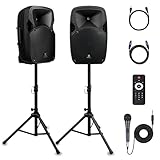 PRORECK Party 12 Powered PA System
A DJ is one of the biggest line items on any wedding budget. If someone you know can run a playlist, this is the difference between hiring one and not.
See it on Amazon →
PRORECK Party 12 Powered PA System
A DJ is one of the biggest line items on any wedding budget. If someone you know can run a playlist, this is the difference between hiring one and not.
See it on Amazon →
 Amazon Basics 46,000 BTU Patio Heater
Outdoor evening receptions live or die on this. Renting three for a night often costs more than buying two.
See it on Amazon →
Amazon Basics 46,000 BTU Patio Heater
Outdoor evening receptions live or die on this. Renting three for a night often costs more than buying two.
See it on Amazon →
 DazzlingStage Wireless Battery Uplights (6)
Battery uplights need no cable runs, so a venue that bans taped-down leads still lets you use them. The cheapest thing that changes how a room photographs.
See it on Amazon →
DazzlingStage Wireless Battery Uplights (6)
Battery uplights need no cable runs, so a venue that bans taped-down leads still lets you use them. The cheapest thing that changes how a room photographs.
See it on Amazon →
 Efavormart 8 ft Gold Hexagonal Arch
Heavy-duty metal rated to 100 lbs, and it resells afterwards, which is the part hiring one never does.
See it on Amazon →
Efavormart 8 ft Gold Hexagonal Arch
Heavy-duty metal rated to 100 lbs, and it resells afterwards, which is the part hiring one never does.
See it on Amazon →


