Written by the WeddingBudgetCalc Editorial Team · Last updated January 07, 2026
Our team combines wedding planning expertise with financial analysis. Data sourced from The Knot, Zola, and vendor surveys across 50 states.
What Does a Wedding Planner Actually Do?
A wedding planner is your professional guide through one of life's biggest events. They bring expertise, industry connections, and organizational skills that transform wedding planning from overwhelming to manageable. But what exactly justifies their fees, and how do you know if hiring one makes sense for your situation?
At its core, wedding planning involves hundreds of decisions, dozens of vendor relationships, complex logistics, and a timeline that spans months or even years. Professional planners handle this complexity daily. They know which venues offer the best value, which photographers deliver consistently, and which caterers reliably exceed expectations. This knowledge comes from experience that couples simply cannot replicate on their own.
Beyond vendor selection, planners manage budgets, negotiate contracts, coordinate timelines, troubleshoot problems, and ensure your wedding day runs smoothly. They serve as a buffer between you and the inevitable stresses that arise during planning. When a vendor cancels unexpectedly or weather threatens an outdoor ceremony, your planner handles the crisis while you remain focused on enjoying your engagement.
The scope of services varies dramatically based on what you hire. Understanding these service tiers helps you choose the right level of support for your needs and budget. Not every couple needs full-service planning, but nearly every couple benefits from at least day-of coordination.
Why Couples Hire Wedding Planners
The decision to hire a planner often comes down to three factors: time, stress, and expertise. Couples with demanding careers rarely have 200+ hours to dedicate to wedding planning. Those planning destination weddings or events far from home need local expertise. And couples who simply want to enjoy their engagement without drowning in spreadsheets and vendor emails find professional help invaluable.
There's also the money factor that surprises many couples: good planners often save you money. Their vendor relationships and negotiation skills typically reduce total wedding costs by 10-20%. A $3,000 planner fee that saves $5,000 on vendors isn't an expense—it's an investment with measurable returns.
Service Level Breakdown
Understanding the three main service tiers helps you choose the right level of support. Each tier serves different needs and budgets, and the distinctions matter more than many couples realize.
Day-of Coordinator
$800 - $1,500
Takes over 4-6 weeks before the wedding to ensure flawless execution.
- Reviews all vendor contracts
- Creates detailed timeline
- Conducts final walkthrough
- Manages entire wedding day
- Handles vendor communication
- Troubleshoots problems
Partial Planning
$1,500 - $3,500
Guides key decisions while you handle day-to-day details.
- Everything in day-of
- Vendor recommendations
- Budget guidance
- Design direction
- Contract review
- Monthly check-ins
Full-Service Planning
$3,500 - $10,000+
Handles every detail from engagement to honeymoon send-off.
- Complete vendor sourcing
- Full budget management
- Design and styling
- All contract negotiations
- Unlimited communication
- Full day-of coordination
Day-of Coordination: $800 - $1,500
Despite the name, day-of coordination actually begins 4-6 weeks before your wedding. During this period, your coordinator reviews every vendor contract, creates a comprehensive timeline, confirms all bookings, and conducts a venue walkthrough. They become the central point of contact for all vendors, freeing you from last-minute logistics.
On the wedding day itself, your coordinator arrives early to oversee setup, manages vendor arrivals, keeps the timeline on track, handles any issues that arise, and ensures the event flows seamlessly. They're the ones making sure the florist knows which tables get centerpieces and the DJ knows when to start the first dance.
Day-of coordination works best for organized couples who enjoy the planning process but want professional execution. If you've already booked your vendors and feel confident in your choices, day-of coordination provides peace of mind without the higher cost of full planning services.
Partial Planning: $1,500 - $3,500
Partial planning bridges the gap between DIY and full-service. Your planner provides guidance on major decisions—venue selection, vendor recommendations, budget allocation—while you handle the day-to-day details. This tier typically includes monthly check-in meetings, email support for questions, and all day-of coordination services.
The partial planning model works well for couples who want expert advice without surrendering control. You might use your planner's vendor recommendations but handle communications yourself. Or you might outsource floral decisions entirely while managing your own invitation process. The flexibility makes partial planning popular among couples with moderate budgets.
Expect your partial planner to provide a curated vendor list, review contracts before you sign, help you stay within budget, and offer design direction. They won't attend every vendor meeting or manage every detail, but they'll ensure you're making informed decisions throughout the process.
Full-Service Planning: $3,500 - $10,000+
Full-service planning is exactly what it sounds like: your planner handles everything. From the first venue tour to the final vendor tip, they manage every aspect of your wedding. This comprehensive approach works best for busy professionals, couples planning from a distance, or anyone who simply wants to enjoy their engagement without the stress of coordination.
Your full-service planner becomes your wedding expert, advocate, and project manager. They research and recommend vendors based on your style and budget, attend all major appointments, negotiate contracts, manage payments and timelines, and handle every detail of design and logistics. You make the decisions; they execute them flawlessly.
The higher cost reflects the significant time investment—expect your planner to dedicate 100-200+ hours to your wedding over the planning period. For couples whose time is valuable or who want a truly stress-free planning experience, full-service planning delivers exceptional value despite the higher price point.
Pro Tip: The Hidden Value of Full-Service Planning
Full-service planners often negotiate vendor discounts that offset a significant portion of their fee. A planner who saves you 15% on a $30,000 vendor budget has essentially reduced their effective cost by $4,500. Factor these savings into your cost-benefit analysis.
Factors That Affect Wedding Planner Costs
Wedding planner pricing isn't arbitrary—it reflects real factors that determine how much time and expertise your wedding requires. Understanding these factors helps you budget accurately and evaluate quotes fairly.
Geographic Location
Location is perhaps the biggest pricing factor. A full-service planner in Manhattan might charge $15,000-$25,000, while the same service level costs $4,000-$8,000 in the Midwest. This reflects both the local cost of living and the complexity of planning in different markets. Major metropolitan areas have more vendor options but also more competition for popular venues and dates.
Regional pricing differences for wedding planners generally mirror overall wedding cost variations by location. Expect to pay 50-100% more in high-cost markets like New York City, San Francisco, Los Angeles, and Boston compared to national averages.
Guest Count and Wedding Complexity
A 50-person wedding requires significantly less coordination than a 250-person celebration. More guests mean more catering logistics, more seating arrangements, more rental equipment, and more potential problems to manage. Many planners adjust their fees based on guest count, with increases for weddings over 100-150 guests.
Complexity beyond headcount also matters. Multi-day weddings, events with multiple venues, and celebrations requiring significant travel add to planner workloads. Destination weddings typically cost 20-50% more to plan due to remote vendor management and site visits.
Planner Experience and Reputation
Like any professional service, experience commands premium pricing. A planner with 10+ years of experience, a portfolio of stunning weddings, and glowing testimonials can charge significantly more than someone building their business. This premium reflects genuine value—experienced planners have deeper vendor relationships, better problem-solving skills, and more refined processes.
However, newer planners can offer excellent value. Many bring years of industry experience from previous roles and charge lower rates while establishing their planning businesses. Look beyond years in business to evaluate actual qualifications and portfolio quality.
Wedding Budget Percentage
Some planners, particularly for full-service work, charge a percentage of your total wedding budget rather than a flat fee. Typical percentages range from 10-20% of total wedding costs. For a $50,000 wedding, this means planning fees of $5,000-$10,000.
Percentage pricing aligns planner incentives with larger, more complex weddings but can become expensive for high-budget celebrations. Most couples prefer flat-fee arrangements for budget predictability, though percentage models remain common in luxury markets.
What's Included at Each Tier
Knowing exactly what you're paying for helps you compare quotes accurately and avoid surprises. Here's a detailed breakdown of typical inclusions at each service level.
Day-of Coordination Typically Includes:
- Pre-wedding planning meeting to review all details and create a comprehensive timeline
- Vendor contract review to ensure nothing is missed and all details are confirmed
- Final vendor confirmations during the week before your wedding
- Rehearsal coordination to ensure the ceremony runs smoothly
- Full wedding day management from setup through send-off (typically 10-12 hours)
- Emergency kit with supplies for common day-of issues
- One assistant coordinator for events over 100 guests
Partial Planning Typically Adds:
- Curated vendor recommendations based on your style and budget
- Budget creation and tracking spreadsheets and guidance
- Design consultation to develop your overall aesthetic
- Monthly planning meetings (in-person or virtual)
- Email and phone support for questions as they arise
- Contract review before you sign with any vendor
- Timeline development throughout the planning process
Full-Service Planning Typically Adds:
- Complete vendor sourcing with attendance at all major appointments
- Contract negotiations on your behalf
- Full budget management including payment tracking and schedules
- Design and styling from concept through execution
- Unlimited communication throughout the planning process
- Vendor payment coordination and final balance management
- RSVP management and guest communication assistance
- Seating chart development and floor plan design
- Welcome bag coordination for out-of-town guests
- Post-wedding tasks including rental returns and vendor follow-up
When to Hire vs. DIY
Not every wedding needs a professional planner. Understanding when professional help adds genuine value helps you allocate your budget wisely.
Consider Hiring a Planner If:
- Your work schedule is demanding and you can't dedicate 200+ hours to planning over 12-18 months
- You're planning from a distance and can't easily visit venues or meet vendors in person
- Your wedding is complex with 150+ guests, multiple events, or destination logistics
- You have a substantial budget where planner savings on vendor negotiations provide real ROI
- Stress management matters to you and you want to enjoy your engagement without wedding anxiety
- You lack a strong support network of friends or family who can help with planning tasks
Consider DIY Planning If:
- You genuinely enjoy event planning and view research and coordination as fun rather than stressful
- Your wedding is small and simple with fewer than 75 guests and a single venue
- Budget is extremely tight and planner fees would significantly impact other priorities
- You have flexible time to dedicate to vendor research, appointments, and coordination
- Strong family support exists with experienced help available for planning and day-of tasks
- Your venue provides coordination through an in-house coordinator who handles logistics
Even DIY couples should seriously consider at least day-of coordination. The $800-1,500 investment ensures you and your family can enjoy the wedding day rather than troubleshooting vendor issues and managing timelines. Many couples who skip coordination entirely later say it was their biggest regret.
The Hybrid Approach
Many budget-conscious couples find success with a hybrid approach: DIY planning with periodic planner consultations. Some planners offer hourly consulting at $75-150 per hour, allowing you to tap into expertise for specific challenges without committing to a full planning package.
Red Flags and Questions to Ask
Choosing the right planner matters as much as choosing the right service level. Here's how to identify great planners and avoid problematic ones.
Red Flags to Watch For
- No contract or vague terms about services, timeline, and deliverables
- Unwillingness to provide references from recent clients
- Pressure to book immediately without time to review terms
- Kickbacks from vendors that create conflicts of interest
- No portfolio or limited examples of actual weddings they've planned
- Poor communication during the inquiry process—if they're slow to respond now, expect worse later
- Negative comments about other vendors or previous clients
- Inability to explain pricing clearly or hidden fees that appear later
Essential Questions to Ask Potential Planners
- How many weddings do you handle simultaneously? More than 15-20 per year may mean divided attention
- Who specifically will work on our wedding? Ensure the person you interview is the person you'll work with
- What's your planning process and timeline? Look for clear milestones and regular communication
- How do you handle day-of emergencies? Experience shows in their specific examples
- Do you have vendor relationships that benefit couples? Good planners have preferred vendor lists and negotiating power
- What's included in your fee versus additional costs? Get specifics about travel, overtime, and assistant fees
- Can you work within our budget? Honest planners will tell you if your budget doesn't match your vision
- What happens if you're unavailable on our wedding day? Understand backup plans and contract provisions
 Wedding Planner & Organizer
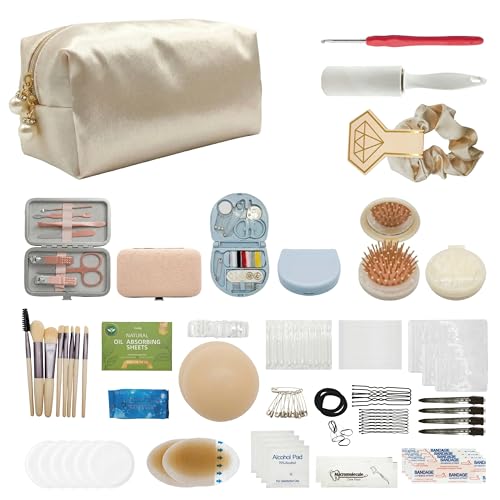 Bridal Emergency Kit
 LED Fairy Lights (100ft)
 Photo Booth Props
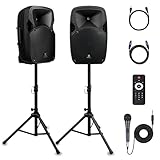 PRORECK Party 12 Powered PA System
A DJ is one of the biggest line items on any wedding budget. If someone you know can run a playlist, this is the difference between hiring one and not.
See it on Amazon →
PRORECK Party 12 Powered PA System
A DJ is one of the biggest line items on any wedding budget. If someone you know can run a playlist, this is the difference between hiring one and not.
See it on Amazon →
 Amazon Basics 46,000 BTU Patio Heater
Outdoor evening receptions live or die on this. Renting three for a night often costs more than buying two.
See it on Amazon →
Amazon Basics 46,000 BTU Patio Heater
Outdoor evening receptions live or die on this. Renting three for a night often costs more than buying two.
See it on Amazon →
 DazzlingStage Wireless Battery Uplights (6)
Battery uplights need no cable runs, so a venue that bans taped-down leads still lets you use them. The cheapest thing that changes how a room photographs.
See it on Amazon →
DazzlingStage Wireless Battery Uplights (6)
Battery uplights need no cable runs, so a venue that bans taped-down leads still lets you use them. The cheapest thing that changes how a room photographs.
See it on Amazon →
 Efavormart 8 ft Gold Hexagonal Arch
Heavy-duty metal rated to 100 lbs, and it resells afterwards, which is the part hiring one never does.
See it on Amazon →
Efavormart 8 ft Gold Hexagonal Arch
Heavy-duty metal rated to 100 lbs, and it resells afterwards, which is the part hiring one never does.
See it on Amazon →