Written by the WeddingBudgetCalc Editorial Team · Last updated July 10, 2026
Our team combines wedding planning expertise with financial analysis. Data sourced from The Knot, Zola, and vendor surveys across 50 states.
Quick Answer: Average Wedding Dress Cost 2026
The average wedding dress cost in 2026 is $1,500 to $3,000, with the national median around $1,800. Prices range from $200 for budget and online options to $10,000+ for luxury couture. Plan on another $200-$800 for alterations, and $600-$2,800 total once undergarments, veil, shoes, jewelry, and preservation are included.
The four rentals worth buying instead
Most wedding advice is about trimming the flowers. These four are the line items where buying outright costs less than one night of hire, and three of them resell afterwards.
As an Amazon Associate we earn from qualifying purchases. Prices and availability change; check before you buy.
What Does a Wedding Dress Really Cost?
Finding your dream wedding dress is one of the most emotional parts of wedding planning, but the financial reality can be sobering. The average bride spends between $1,500 and $3,000 on her wedding gown in 2026, with the national median hovering around $1,800. However, this number tells only part of the story, as wedding dress costs vary dramatically based on where you shop, what style you choose, and the level of customization you need.
Your wedding dress budget should typically represent 5-10% of your total wedding budget. For a $30,000 wedding, that means allocating $1,500 to $3,000 for your gown. But here is the critical detail many brides overlook: the price tag on the dress is just the beginning. Alterations, undergarments, accessories, and preservation can add $600 to $2,800 to your total bridal attire costs.
Understanding the complete picture of wedding dress costs helps you budget accurately and avoid sticker shock later in the planning process. This guide breaks down every expense you will encounter, from the dress itself to the hidden costs that catch many brides off guard.
Price Tier Breakdown
Wedding dresses fall into distinct price categories, each offering different levels of quality, design, and shopping experience. Understanding these tiers helps you set realistic expectations and find the best value for your budget.
Budget
$200 - $800
Online retailers, fast fashion brands, and sample sales. Simple silhouettes in polyester or blended fabrics. Limited customization options. Great for elopements or casual ceremonies.
Mid-Range
$800 - $2,500
Department store bridal, David's Bridal, BHLDN. Quality fabrics with some handwork. Standard sizing with alteration needs. Most popular price range for traditional weddings.
Designer
$2,500 - $5,000
Named designers from bridal boutiques. Premium fabrics, detailed construction, hand-finished elements. Personalized shopping experience with expert consultants.
Luxury
$5,000+
Couture designers and custom creations. Imported fabrics, extensive beadwork, bespoke fitting. Multiple consultations and white-glove service throughout.
The budget tier has expanded significantly in recent years, with online retailers like Lulus, Azazie, and Amazon offering surprisingly beautiful options under $500. These dresses work beautifully for destination weddings, second marriages, or couples who prefer to invest their money elsewhere. The trade-off is typically in fabric quality and construction details that only matter if you are examining the dress up close.
Mid-range dresses from $800 to $2,500 represent the sweet spot for most brides. At this price point, you get quality construction, flattering silhouettes, and fabrics that photograph well. Retailers like BHLDN and David's Bridal dominate this space, offering extensive collections that cater to every style preference.
Designer gowns between $2,500 and $5,000 offer the traditional bridal boutique experience that many brides dream about. Named designers like Maggie Sottero, Allure, and Pronovias provide superior craftsmanship, unique design elements, and fabrics that feel as luxurious as they look. The personalized service includes dedicated consultants, champagne, and an emotional shopping experience.
Understanding Alteration Costs
Nearly every wedding dress requires some alterations, regardless of how well you think it fits off the rack. Standard alterations include hemming, taking in or letting out the bodice, adjusting straps, and adding bustle points. Simple alterations on a basic dress might cost $200, while extensive work on a complex gown can exceed $800.
Several factors influence alteration costs significantly. Dresses with intricate beading, lace appliques, or multiple layers of tulle require more time and skill to alter properly. A simple A-line dress in satin might cost $250 to hem and fit, while a beaded ballgown could easily run $600 or more for the same adjustments.
Common Alteration Price Breakdown
- Hemming: $150-$300 depending on layers and detail work
- Taking in bodice: $100-$200 for basic adjustments
- Adding cups or boning: $50-$150 for structural support
- Bustle creation: $50-$150 for train management
- Adding sleeves: $150-$400 depending on style and fabric
- Replacing zipper with buttons: $100-$300 based on button count
The timing of your alterations also matters. Rush alterations typically cost 25-50% more than standard timelines. Plan for your first fitting 8-10 weeks before the wedding, with final adjustments 2-3 weeks out. This schedule allows for weight fluctuations and any unexpected issues without incurring rush fees.
Pro Tip: Get Alteration Quotes Early
Before purchasing your dress, get alteration estimates from 2-3 seamstresses. Some boutiques require you to use their in-house seamstress at premium prices. An independent seamstress might charge 30-40% less for the same work. Factor this into your total dress budget before committing to a purchase.
Where to Buy Your Wedding Dress
Where you purchase your wedding dress significantly impacts both price and experience. Each shopping avenue offers distinct advantages and trade-offs worth considering before you start your search.
Bridal Boutiques
Traditional bridal boutiques offer the most personalized shopping experience, with dedicated consultants, private appointments, and extensive designer collections. Expect to pay premium prices of $2,000 to $8,000 for dresses, but you gain expert styling advice, quality assurance, and the emotional experience many brides envision. Boutiques often provide in-house alterations and can facilitate custom orders for specific modifications.
Online Retailers
Online wedding dress shopping has matured significantly, with reputable retailers offering quality gowns at 30-60% below boutique prices. BHLDN, Azazie, Lulus, and David's Bridal online provide extensive size ranges, customer reviews with photos, and generous return policies. The trade-off is losing the in-person fitting experience, potentially requiring multiple orders to find your size, and handling returns independently.
Sample Sales
Bridal boutiques hold sample sales 1-2 times per year, offering floor samples and discontinued styles at 50-70% off retail. Sample sizes typically range from 8-12, but skilled seamstresses can work with dresses several sizes away from your measurements. The catch is limited selection, as-is condition with potential wear marks, and high-pressure environments where quick decisions are required.
Secondhand and Consignment
Pre-owned wedding dresses offer exceptional value, typically 40-70% off retail prices. Websites like Stillwhite, Nearly Newlywed, and Poshmark feature thousands of once-worn designer gowns. Many dresses have already been altered, professionally cleaned, and preserved. The challenge is finding your exact style in your size, plus potential shipping and return complications.
Rental Options
Dress rental services have emerged as a sustainable and budget-friendly alternative, offering designer gowns for $200-$800. Companies like Rent the Runway and specialized bridal rental services provide access to dresses that would otherwise cost $3,000 or more. Rentals work best for brides who do not want to store a dress long-term or prefer investing their budget elsewhere.
Smart Strategies to Save on Your Wedding Dress
Saving money on your wedding dress does not mean sacrificing style or quality. Strategic shopping can cut your costs significantly while still finding a gown you love. Here are proven strategies that help brides save hundreds or even thousands on their wedding attire.
- Shop off-season: January through March sees the lowest wedding dress demand. Boutiques often offer promotions, and you will have more negotiating power. Summer also brings sales as shops clear inventory for new collections.
- Consider discontinued styles: When designers release new collections, previous seasons get marked down 20-40%. These dresses are brand new but simply no longer current. The style differences are often imperceptible to anyone outside the bridal industry.
- Buy pre-owned: Secondhand wedding dresses average 40-70% off retail. Many have been professionally preserved and never actually worn beyond try-on. Sites like Stillwhite specialize in authenticated designer gowns.
- Skip the veil: Cathedral veils can cost $300-$800. Consider fresh flowers, a statement headpiece, or no accessory at all. Many modern brides skip the veil entirely without missing it.
- Choose simpler silhouettes: Ball gowns with layers of tulle, extensive beading, and dramatic trains cost more to produce and alter. A-line and sheath dresses in quality fabric often look equally stunning at lower price points.
- Negotiate for perks: If you cannot negotiate on dress price, ask for complimentary accessories, reduced alteration rates, or a discount on bridesmaids dresses. Bundling purchases gives you leverage.
- Time your purchase strategically: Black Friday, end-of-season sales, and trunk shows offer genuine discounts. Register with boutiques for sale notifications well before you need to purchase.
- Rent instead of buy: For destination weddings or brides who do not want to store a dress, rental services provide designer gowns at 70-80% less than retail purchase.
Budget Breakdown Rule
Follow the 60/40 rule for bridal attire: allocate 60% of your attire budget to the dress and 40% to everything else including alterations, undergarments, accessories, and preservation. This prevents overspending on the gown and being caught short on essentials.
What Affects Wedding Dress Prices
Understanding what drives wedding dress prices helps you identify where you can save and where investment makes sense. Several key factors determine how much any particular gown will cost.
Fabric Quality
The most significant cost driver is fabric. Polyester and synthetic blends cost a fraction of silk, satin, or high-quality crepe. A polyester dress might retail for $500 while the same design in silk mikado could cost $2,500. For photography purposes, quality fabrics drape and photograph better, though the difference may only matter in close-up shots.
Construction Complexity
Hand-sewn beading, lace appliques, and intricate boning add significant cost. A simple slip dress requires minimal construction time, while a fitted ballgown with a corset bodice and hand-applied lace might require 40 or more hours of skilled labor. Each element of complexity increases both the base price and alteration costs.
Designer Reputation
Designer names carry premium pricing regardless of materials or construction. A Vera Wang gown commands higher prices than an identical-looking dress from a lesser-known brand. You are paying for the design aesthetic, brand prestige, and often superior customer service throughout the shopping experience.
Retail Channel
The same dress can have dramatically different prices depending on where you buy it. Bridal boutiques have higher overhead costs passed along to customers. Online retailers with lower operating expenses can offer the same gowns for less. Department stores fall somewhere in between.
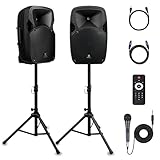 PRORECK Party 12 Powered PA System
A DJ is one of the biggest line items on any wedding budget. If someone you know can run a playlist, this is the difference between hiring one and not.
See it on Amazon →
PRORECK Party 12 Powered PA System
A DJ is one of the biggest line items on any wedding budget. If someone you know can run a playlist, this is the difference between hiring one and not.
See it on Amazon →
 Amazon Basics 46,000 BTU Patio Heater
Outdoor evening receptions live or die on this. Renting three for a night often costs more than buying two.
See it on Amazon →
Amazon Basics 46,000 BTU Patio Heater
Outdoor evening receptions live or die on this. Renting three for a night often costs more than buying two.
See it on Amazon →
 DazzlingStage Wireless Battery Uplights (6)
Battery uplights need no cable runs, so a venue that bans taped-down leads still lets you use them. The cheapest thing that changes how a room photographs.
See it on Amazon →
DazzlingStage Wireless Battery Uplights (6)
Battery uplights need no cable runs, so a venue that bans taped-down leads still lets you use them. The cheapest thing that changes how a room photographs.
See it on Amazon →
 Efavormart 8 ft Gold Hexagonal Arch
Heavy-duty metal rated to 100 lbs, and it resells afterwards, which is the part hiring one never does.
See it on Amazon →
Efavormart 8 ft Gold Hexagonal Arch
Heavy-duty metal rated to 100 lbs, and it resells afterwards, which is the part hiring one never does.
See it on Amazon →
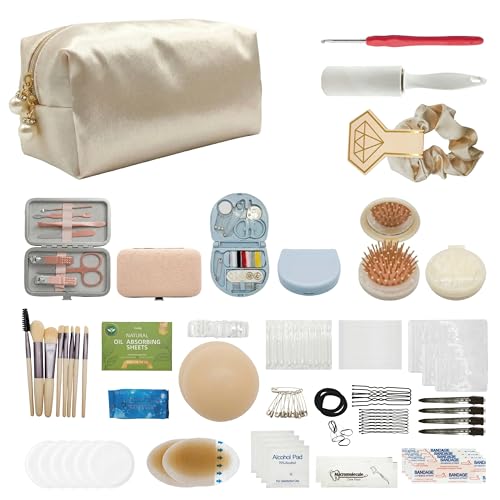 Bridal Emergency Kit
 Wedding Planner Book
 Bridal Bouquet (Artificial)
 Champagne Flutes