Written by the WeddingBudgetCalc Editorial Team · Last updated January 07, 2026
Our team combines wedding planning expertise with financial analysis. Data sourced from The Knot, Zola, and vendor surveys across 50 states.
How Much Does a Wedding DJ Cost in 2026?
Music sets the emotional tone for your entire wedding celebration. From the processional that accompanies your walk down the aisle to the final song that sends guests home with smiles, the right DJ transforms your wedding from a series of events into an unforgettable experience. Understanding wedding DJ costs helps you budget appropriately and find the perfect entertainment match for your celebration.
The national average for a wedding DJ in 2026 falls between $1,000 and $2,500, with most couples spending approximately $1,500 for professional services. This investment covers far more than someone pressing play on a playlist. A skilled wedding DJ serves as your master of ceremonies, timeline coordinator, energy manager, and technical expert rolled into one. They read the room, adjust the music to match the mood, and ensure seamless transitions throughout your event.
Wedding DJ pricing spans a significant range depending on experience level, geographic location, hours of coverage, and included services. Budget-conscious couples in smaller markets might find competent DJs starting around $500-$800, while premium DJs in major metropolitan areas like New York, Los Angeles, or Chicago regularly command $3,000-$5,000 or more for their expertise and reputation.
Most couples allocate approximately 5-8% of their total wedding budget to entertainment. For a $25,000 wedding, that translates to $1,250-$2,000 for DJ services. For a $40,000 celebration, entertainment might range from $2,000-$3,200. These percentages provide helpful guidelines, but your personal priorities should ultimately drive the decision. If a packed dance floor matters more to you than elaborate centerpieces, consider adjusting your allocations to prioritize entertainment quality.
What Affects Wedding DJ Pricing
Several key factors determine how much you will pay for wedding DJ services. Experience level plays a significant role, as DJs with hundreds of weddings under their belt command premium rates compared to newer professionals building their portfolios. Geographic location impacts pricing dramatically, with major metropolitan areas costing 30-50% more than smaller markets or rural regions.
The duration of coverage directly affects your bottom line. Standard packages typically cover 4-5 hours, sufficient for most receptions, but couples wanting full-day coverage from ceremony through late-night dancing will pay more. Equipment quality matters too, as professional-grade sound systems, backup equipment, and premium microphones cost more to maintain and transport than basic setups.
Additional services bundled into packages can shift pricing significantly. A DJ providing only reception entertainment costs less than one handling ceremony music, cocktail hour, and reception with uplighting and MC services included. Understanding what each quote includes helps you make fair comparisons between vendors.
DJ Price Tiers Explained
Wedding DJs generally fall into four distinct pricing tiers, each offering different levels of experience, equipment quality, and service. Understanding these tiers helps you set realistic expectations and find the best match for your budget and needs.
Budget
Emerging DJs
$500 - $1,000
Newer DJs building their wedding portfolios. May have club or event experience but fewer weddings. Basic equipment and limited music libraries. Best for intimate gatherings or couples with tight budgets who can provide detailed guidance.
Most Popular
Professional
$1,000 - $2,000
Experienced wedding DJs with proven track records. Professional-grade equipment, extensive music libraries, and polished MC skills. The sweet spot for most couples balancing quality and budget. Reliable and consistent.
Premium
Established Pros
$2,000 - $3,500
Highly sought-after DJs with years of wedding experience. Superior equipment, exceptional crowd-reading abilities, and seamless coordination. Often includes premium lighting packages and enhanced services.
Luxury
Elite Entertainment
$3,500+
Celebrity-level DJs or elite entertainment companies. Full production capabilities, multiple staff members, and white-glove service. Custom lighting designs, live mixing, and comprehensive event production.
What Is Typically Included in a Wedding DJ Package
Wedding DJ packages vary considerably between providers, making direct price comparisons challenging without understanding what each includes. A comprehensive package should cover multiple aspects of your wedding day entertainment, ensuring seamless music and coordination from ceremony through reception.
Pre-Wedding Consultation
Every quality DJ package begins with a detailed consultation, either in person, by video call, or through comprehensive questionnaires. During this meeting, you discuss your wedding timeline, must-play songs, absolute do-not-play requests, and overall vision for the event. Good DJs ask about your crowd demographics, preferred genres, and any special moments requiring specific music cues. This consultation ensures your DJ understands your expectations and can tailor their approach accordingly. Most consultations occur 4-8 weeks before the wedding, though initial planning meetings may happen earlier.
Master of Ceremonies Services
Your DJ serves as the voice of your reception, making announcements that guide guests through the event. Professional MC services include introducing the wedding party during grand entrances, announcing the first dance and parent dances, coordinating cake cutting and bouquet toss announcements, and managing the timeline to keep everything running smoothly. The MC role requires confidence, clear articulation, and the ability to read the room. A skilled MC enhances your celebration without dominating it, striking the perfect balance between informative and entertaining. Some couples prefer minimal announcements while others want energetic hype throughout the night. Discuss your preferred MC style during consultations.
Ceremony Music
Many DJ packages include ceremony sound setup as an add-on or premium inclusion. This covers processional music for the wedding party and bride, musical selections during unity ceremonies or candle lighting, recessional music as you exit as newlyweds, and ensuring all guests can hear vows and readings clearly. Ceremony sound requires additional equipment setup at a separate location from the reception, which explains why it often costs $200-$400 extra. If your ceremony and reception occur in the same space, this becomes more straightforward and potentially less expensive. Outdoor ceremonies particularly benefit from professional sound, as wind, ambient noise, and natural acoustics can make unamplified voices difficult to hear.
Cocktail Hour Entertainment
The cocktail hour bridges your ceremony and reception, requiring appropriate background music that encourages mingling without overwhelming conversation. Most packages include cocktail hour coverage, though confirm this during booking. Your DJ will typically provide 60-90 minutes of ambient music tailored to your preferences, whether that means jazz standards, acoustic covers, or upbeat contemporary tracks at conversation-friendly volumes. Some DJs offer the option to play a custom playlist during cocktail hour while they set up reception equipment, which can reduce costs if you provide the music selection.
Full Reception Entertainment
Reception entertainment forms the core of any wedding DJ package. Standard coverage typically spans 4-5 hours and includes dinner music at appropriate background levels, special dance music for first dance, parent dances, and wedding party dances, open dancing with crowd-responsive song selection, and all necessary sound equipment. Professional DJs bring quality speakers sized appropriately for your venue and guest count. They manage volume levels throughout the evening, keeping music soft during dinner conversation and building energy for dancing. The best DJs create a journey through your reception, building excitement and adapting to guest energy in real time.
Package Comparison Tip
When requesting quotes, ask DJs to itemize their packages rather than providing all-inclusive prices. Understanding what each component costs allows you to customize your package, removing services you do not need or adding extras that matter to you. Some couples save significantly by handling ceremony music themselves and focusing their DJ budget entirely on reception entertainment.
Uplighting: Worth the Investment?
Uplighting uses LED fixtures positioned around your venue perimeter to wash walls with color, dramatically transforming the atmosphere. This lighting technique adds warmth and sophistication while hiding imperfections in venue architecture. At $300-$800 for a typical setup with 10-20 lights, uplighting delivers significant visual impact for relatively modest investment. Venues with plain white or beige walls benefit most from uplighting. Already-decorated spaces or venues with architectural features may not need the enhancement. Many couples choose colors matching their wedding palette, while others opt for warm amber tones that photograph beautifully. Ask your DJ for before-and-after photos from similar venues to gauge the potential impact at your specific location.
Photo Booth: Entertainment and Keepsakes
Photo booths have evolved from novelty add-ons to expected entertainment at many weddings. Modern options range from traditional enclosed booths to open-air setups with professional lighting and instant prints. At $500-$1,000 through your DJ versus $700-$1,200 from standalone companies, bundling often provides savings. Photo booths give guests something engaging to do during band breaks or slower moments, create memorable keepsakes guests take home, and generate fun candid images beyond formal photography. Premium booths offer features like GIF creation, social media sharing stations, green screen backgrounds, and custom print designs matching your wedding aesthetic.
Wedding DJ vs. Live Band: Cost Comparison
One of the biggest entertainment decisions couples face is choosing between a DJ and a live band. Both options create memorable experiences, but they serve different needs, aesthetics, and budgets. Understanding the practical differences helps you make an informed choice aligned with your vision and financial reality.
Wedding DJ
$1,000 - $2,500
Professional DJ with sound system, MC services, and customizable playlist.
- Song variety: Access to any song ever recorded
- Space efficient: Minimal setup footprint
- Consistent sound: Same quality throughout
- Easy requests: Can play any song guests ask for
- Flexible volume: Easy to adjust for conversations
- No breaks needed: Continuous music all night
Live Wedding Band
$3,000 - $8,000+
4-10 piece band with vocalist, instruments, and live performance energy.
- Visual entertainment: Musicians add performance element
- Unique energy: Live music creates special atmosphere
- Sophisticated vibe: Elevates formal weddings
- Limited setlist: 40-60 songs typically
- Requires breaks: Usually 15-20 min per hour
- More space needed: Stage for 4-10 musicians
Live bands create undeniable energy and visual spectacle. Watching talented musicians perform creates an experience that recordings cannot replicate. The energy of live drums, the soul of a live vocalist, and the spontaneity of improvised arrangements bring unique magic to celebrations. However, this experience comes at 2-4 times the cost of DJ services, requires significantly more space, and limits musical variety to what the band has rehearsed.
Wedding DJs offer practical advantages that many couples prioritize. The ability to play any song in any genre means your playlist can span generations and styles seamlessly. From your grandmother's favorite Frank Sinatra track to the latest pop hits, DJs deliver exactly what you want. DJs also require minimal space, maintain precise volume control for dinner versus dancing, and never need breaks that interrupt the music. Approximately 75% of couples choose DJs over live bands for these reasons.
The Hybrid Approach
Consider hiring a DJ for the ceremony and cocktail hour while bringing in a smaller 4-piece band for the reception. This splits the cost while giving you live music during key dancing moments. Some couples reverse this, using a band for cocktail hour ambiance while a DJ handles high-energy reception dancing. Total hybrid investment: $4,000-$6,000 versus $8,000-$12,000 for full-service band throughout.
Wedding DJ vs. Spotify Playlist: Pros and Cons
The rise of streaming services has led some budget-conscious couples to question whether they need a professional DJ at all. While a DIY playlist approach can work for intimate gatherings, understanding the trade-offs helps you make an informed decision.
The Case for DIY Playlists
Creating your own wedding playlist costs essentially nothing beyond the streaming subscription you likely already have. You maintain complete control over every song selection and sequence. For micro-weddings, backyard celebrations, or couples with specific musical visions, a well-curated playlist can provide adequate entertainment. This approach works best with 50 or fewer guests in a casual atmosphere where dancing is not a primary focus. Budget savings of $1,000-$2,500 represent significant funds that can go toward other priorities.
Why Professional DJs Remain Worth the Investment
Professional DJs provide value far beyond simply playing music. They read the room in real-time, adjusting tempo and genre to match guest energy. When the dance floor empties, they know how to bring people back. When energy peaks, they maintain momentum without burning out your crowd too early. This adaptive expertise comes only through experience with hundreds of events.
Technical reliability represents another crucial advantage. Professional DJs bring backup equipment, manage acoustic challenges specific to your venue, and troubleshoot problems instantly. A playlist that freezes during your first dance or speakers that cut out during parent speeches can derail your celebration. DJs eliminate these risks through redundancy and expertise.
The MC role alone justifies DJ costs for many couples. Coordinating announcements, managing timeline cues, and guiding guests through reception events requires someone dedicated to the task. Without a DJ, this responsibility falls on a wedding party member, coordinator, or the couple themselves, adding stress to an already busy day.
Playlist Pitfalls to Avoid
- Streaming interruptions: Wi-Fi issues or cellular dead zones can kill your music
- No crowd reading: Playlists cannot adapt when guests are not dancing
- Volume management: Someone must constantly adjust for dinner vs. dancing
- Equipment quality: Bluetooth speakers cannot fill large venues properly
- Timeline coordination: No one cueing music for special moments
- Song transitions: Jarring silence or mismatched energy between tracks
Questions to Ask Your Wedding DJ
Finding the right wedding DJ requires more than reviewing packages and comparing prices. The interview process reveals crucial details about style, reliability, and compatibility. Ask these essential questions during consultations to find your perfect entertainment match.
Essential Questions for DJ Interviews
- How many weddings have you personally DJ'd? Look for 50+ weddings minimum for experienced professionals who understand wedding-specific dynamics
- Will you be the DJ at our wedding, or could it be someone else? Larger companies sometimes substitute DJs. Get the specific person's name in your contract
- What's your backup plan if equipment fails or you get sick? Professionals have contingency plans and backup gear for any scenario
- Can we see you perform at another wedding or watch video samples? Observing a DJ live reveals more than any interview about their style and energy
- How do you handle song requests from guests? Understand their approach to balancing guest requests with your curated playlist
- What do you typically wear to weddings? Ensure their attire matches your event's formality level
- How do you keep the dance floor full throughout the night? Listen for specific techniques and experience, not vague promises
- What information do you need from us before the wedding? Organized DJs have clear planning processes and timelines
- Do you take breaks during the reception? Music should never stop. Good DJs do not take breaks
- What happens if we go over our scheduled time? Clarify overtime rates upfront to avoid surprise charges
- Do you have liability insurance? Professional DJs carry insurance protecting you and your venue
- Can you provide references from recent weddings? Satisfied clients willing to vouch for their experience indicate quality
Red Flags to Watch For
The wedding DJ industry has low barriers to entry, meaning quality varies enormously. Recognizing warning signs saves you from a potentially disastrous entertainment experience. Be cautious of DJs who provide no contract or vague contracts, are unwilling to meet in person or via video call, have no reviews or suspiciously perfect ratings without substance, price significantly below market rates (30%+ cheaper usually indicates inexperience), push add-ons aggressively rather than focusing on your needs, do not ask about your music preferences, or lack liability insurance. Professional DJs should be curious about your taste and vision, not assuming one-size-fits-all approaches work for every wedding.
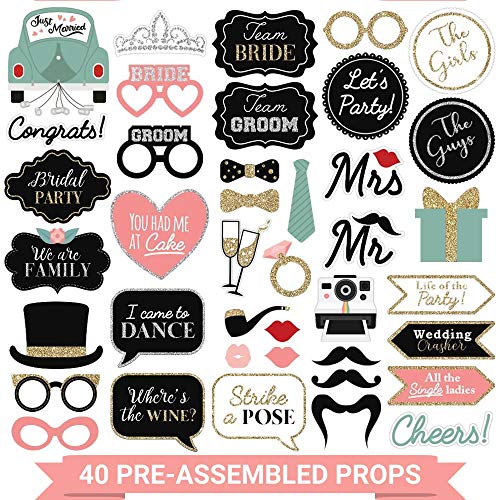 Photo Booth Props Kit
 LED Fairy String Lights
 Wedding Planner Book
 Champagne Flutes Set
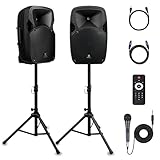 PRORECK Party 12 Powered PA System
A DJ is one of the biggest line items on any wedding budget. If someone you know can run a playlist, this is the difference between hiring one and not.
See it on Amazon →
PRORECK Party 12 Powered PA System
A DJ is one of the biggest line items on any wedding budget. If someone you know can run a playlist, this is the difference between hiring one and not.
See it on Amazon →
 Amazon Basics 46,000 BTU Patio Heater
Outdoor evening receptions live or die on this. Renting three for a night often costs more than buying two.
See it on Amazon →
Amazon Basics 46,000 BTU Patio Heater
Outdoor evening receptions live or die on this. Renting three for a night often costs more than buying two.
See it on Amazon →
 DazzlingStage Wireless Battery Uplights (6)
Battery uplights need no cable runs, so a venue that bans taped-down leads still lets you use them. The cheapest thing that changes how a room photographs.
See it on Amazon →
DazzlingStage Wireless Battery Uplights (6)
Battery uplights need no cable runs, so a venue that bans taped-down leads still lets you use them. The cheapest thing that changes how a room photographs.
See it on Amazon →
 Efavormart 8 ft Gold Hexagonal Arch
Heavy-duty metal rated to 100 lbs, and it resells afterwards, which is the part hiring one never does.
See it on Amazon →
Efavormart 8 ft Gold Hexagonal Arch
Heavy-duty metal rated to 100 lbs, and it resells afterwards, which is the part hiring one never does.
See it on Amazon →