Understanding This Comparison
At $30,000, you're already above the national median wedding spend. You have access to quality vendors, proper venues, professional everything. The question of whether to jump to $50,000—adding two-thirds more budget—is fundamentally about luxury. Not "can we have a nice wedding?" but "do we want an exceptional one?"
This $20,000 gap represents significant money. It's a car down payment, six months of rent in many cities, a substantial investment account start. Spending it on a single day requires either financial comfort or a strong belief that wedding quality matters enough to justify the cost. Neither position is wrong, but the decision should be conscious.
What does that $20,000 actually buy? Access. At $50,000, vendors with waiting lists take your calls. Venues that feel like settings from bridal magazines become options. Coordinators who plan 50 weddings a year guide your timeline. The wedding industrial complex opens its premium tier to you.
This guide examines exactly where that additional investment appears, how it transforms the wedding experience, and which type of couple benefits most from each budget level. Understanding these distinctions helps you make a decision aligned with your values rather than external pressure or arbitrary benchmarks.
The Luxury Threshold
$50,000 is where weddings start feeling "designed" rather than "planned." You're not just booking vendors—you're curating an experience. At this level, your wedding planner (you'll probably have one) creates a cohesive vision across every touchpoint. Details become intentional, not incidental.
Where couples actually cut the cost
Decor is the line item with the widest gap between hiring it and doing it yourself. These four move the budget most, and all of them resell afterwards.
 Efavormart 8 ft Gold Hexagonal Arch
Heavy-duty metal rated to 100 lbs, and resellable after the day, which is why it beats hiring one.
See it on Amazon →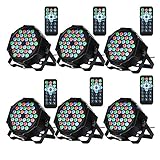 LUNSY LED Par Uplights (6 Pack)
Uplighting is the single biggest visual upgrade per dollar at any venue.
See it on Amazon → 3D White Rose Flower Wall Panels (12 Pack)
Covers a full backdrop for a fraction of a florist's install fee.
See it on Amazon → White Chiffon Arch Draping, 20 ft
The fabric that makes a bare rented arch look finished.
See it on Amazon →As an Amazon Associate we earn from qualifying purchases. Prices and availability change; check before you buy.
Direct Comparison
| Category | $30,000 Wedding | $50,000 Wedding |
|---|---|---|
| Comfortable Guest Count | 90-120 guests | 125-175 guests |
| Per-Guest Average | $250-333 | $286-400 |
| Venue Tier | Quality venue ($5,500-8,000) | Premium venue ($9,000-14,000) |
| Catering | Good caterer ($7,000-9,500) | Excellent caterer ($11,000-15,000) |
| Photography | Established pro ($3,200-4,500) | Award-winning ($4,500-6,500) |
| Videography | Quality coverage ($2,000-3,000) | Cinematic ($3,000-4,500) |
| Florals | Professional design ($2,200-3,500) | Designer florals ($3,500-5,500) |
| Entertainment | Premium DJ ($1,800-2,500) | Live band or specialty ($2,500-4,500) |
| Planning | Day-of coordination ($1,500-2,500) | Full planning ($3,500-5,500) |
| Stationery | Quality printing ($500-800) | Designer custom ($800-1,500) |
Detailed Cost Breakdown by Category
Understanding exactly where the $20,000 difference appears helps you evaluate whether those specific upgrades matter to your vision and priorities.
Venue Tier Differences
At $30,000, venue budgets of $5,500-8,000 access quality spaces: nice ballrooms, attractive outdoor venues, respectable historic buildings, and well-maintained event spaces. These venues photograph well and provide appropriate settings for celebrations. They serve the wedding without becoming a feature.
At $50,000, venue budgets of $9,000-14,000 unlock premium properties: magazine-featured estates, architectural landmarks, exclusive-use properties with exceptional service, luxury hotel ballrooms, and destination-worthy locations. These venues make statements. Guests react when they arrive. The setting becomes part of the wedding's identity.
Premium venues often include elevated amenities: better furniture, superior lighting systems, dedicated venue coordinators, extended access times, and more attractive existing decor. These inclusions may reduce spending in other categories while improving overall quality.
Photography Quality Spectrum
At $30,000, photography budgets of $3,200-4,500 hire established professionals with strong portfolios, consistent quality, and reliable delivery. These photographers create beautiful images that document your day accurately and artistically. You'll be happy with the results.
At $50,000, photography budgets of $4,500-6,500 access award-winning artists with distinctive styles, editorial experience, published work, and often celebrity or high-end clientele. These photographers don't just capture moments—they create visual narratives. Their images have recognizable signatures, sophisticated post-processing, and compositions that feel intentional at every frame.
The difference isn't technical competence (both tiers shoot well) but artistic vision and consistency. Premium photographers deliver more gallery-worthy images per wedding and create work that stands out years later.
Catering and Culinary Experience
At $30,000 with 100 guests, catering budgets of $7,000-9,500 mean $70-95 per person for food and service. This buys good food, professional service, appropriate presentation, and satisfying portions. Guests eat well without the meal becoming a talking point.
At $50,000 with similar guest counts, catering budgets of $11,000-15,000 mean $110-150 per person. This tier enables truly elevated dining: premium proteins (wagyu, lobster, specialty preparations), multiple courses with palate cleansers, craft cocktail programs with custom creations, late-night food stations, exceptional presentation, and sommelier-selected wine pairings.
Food at this level becomes an experience. Guests discuss what they ate weeks later. The culinary program reflects the same intentionality as other design elements.
Floral and Design Investment
At $30,000, floral budgets of $2,200-3,500 create professional arrangements: beautiful bouquets, appropriate centerpieces, ceremony decor, and coordinated details throughout. These florals elevate spaces and photograph well. They represent skilled work within reasonable constraints.
At $50,000, floral budgets of $3,500-5,500 enable designer-level installations: statement ceremony structures, suspended or architectural centerpieces, immersive floral environments, cascading arrangements, and cohesive botanical storytelling throughout the venue. Florals at this level transform spaces rather than decorating them.
The upgrade difference appears in scale, variety, and design complexity. Premium floral work uses more stems, incorporates unusual specimens, and creates visual impact that draws attention and photographs dramatically.
Entertainment Experiences
At $30,000, entertainment budgets of $1,800-2,500 hire premium DJs with extensive experience, excellent equipment, and sophisticated crowd-reading abilities. These professionals create great parties and manage the evening smoothly.
At $50,000, entertainment budgets of $2,500-4,500 access live bands, string quartets for ceremonies, specialty performers, or combination approaches. Live music creates undeniable energy—performers engage crowds, music feels immediate, and the entertainment becomes a feature rather than background. Some couples at this level hire both band and DJ for different portions of the evening.
What $20,000 More Actually Buys
The extra $20,000 distributes across categories differently than lower budget jumps. At this tier, you're not filling gaps—you're upgrading what's already good to excellent.
Venue
From quality event space to magazine-featured properties. Historic estates, architectural landmarks, exclusive-use venues with exceptional service and settings.
Catering
Elevated menus with premium proteins, craft cocktails, multiple courses, late-night stations. Food becomes a talking point, not just fuel.
Photography
Award-winning photographers with distinctive editorial style, potentially published work. Images that feel like art, not documentation.
Florals
Designed installations rather than arrangements. Ceremony arches, suspended centerpieces, cohesive botanical vision throughout.
Entertainment
Live band adds undeniable energy. String quartet for ceremony. Entertainment that creates atmosphere beyond just music.
Planning
Full-service planner who designs the event, not just coordinates it. Vendor negotiation, design guidance, stress elimination.
Guest Experience at Each Level
At $30,000
- Beautiful venue that photographs well
- Excellent food and drink
- Professional photography capturing key moments
- Appropriate florals creating atmosphere
- Smooth coordination throughout
- A genuinely great wedding by any standard
At $50,000
- Venue that takes guests' breath away
- Food that becomes dinner conversation
- Photography that feels like a fashion shoot
- Florals that create visual drama and impact
- Live entertainment that elevates energy
- Design details guests notice and remember
- A wedding that feels distinctively premium
Real Couple Scenarios
These examples illustrate how different couples navigate the $30K vs $50K decision:
Scenario 1: Emily and James - Staying at $30K Happily
Emily and James had combined savings of $55,000 designated for their wedding. After discussion, they chose to spend $32,000 and put $23,000 toward their house fund. Their guest count was 95.
Their approach: They prioritized photography ($4,200 for an established editorial pro), found a beautiful-but-not-famous venue ($6,800 historic estate), and invested in excellent catering ($8,500 for elevated comfort food). They hired a premium DJ ($2,200) rather than a band, kept florals tasteful but not dramatic ($2,800), and hired a day-of coordinator ($1,500).
The result: A beautiful, well-executed wedding that felt special without feeling excessive. Guests enjoyed themselves thoroughly. Photos were stunning. The couple felt no regret about the $23,000 they kept for their future.
Why it worked: Clear priorities (photography, venue character, food quality) received appropriate funding. They didn't need premium everything—they needed key elements to be excellent. The decision aligned with their values (financial security) rather than external expectations.
Scenario 2: Priya and Michael - The Expansion to $50K
Priya and Michael initially planned for $35,000 but expanded to $48,000 after encountering their dream venue and realizing their 135-person guest list required more budget to maintain quality. Both families contributed, making the expansion comfortable.
Their approach: The venue ($12,500 for a stunning garden estate) drove the budget increase. They upgraded photography to an award-winning team ($5,800), added a 6-piece band for the reception ($3,400), invested in designer florals ($4,200), and hired a full-service planner ($4,000). Catering remained their largest expense ($12,000 for 135 guests).
The result: A magazine-worthy wedding that felt cohesively designed from start to finish. Multiple guests described it as "the most beautiful wedding they'd attended." Photos appeared in a regional bridal publication. The couple felt the investment perfectly matched their vision.
Why it worked: The expansion was purposeful, not aspirational. Specific elements (venue, live music, designer florals) aligned with their aesthetic priorities. Family contributions meant no financial strain. They invested in categories they genuinely valued rather than upgrading everything proportionally.
Scenario 3: Derek and Christina - Choosing $50K for Guest Count
Derek and Christina faced a non-negotiable: between their families, the guest list couldn't drop below 160. At $30,000, that meant only $188 per person—inadequate for the quality level both families expected.
Their approach: They chose $52,000 specifically to maintain per-person quality at $325. The budget went heavily toward catering ($14,500 for 160 guests), venue with adequate capacity ($10,000), and photography/videography ($7,500 combined). They kept florals relatively modest ($3,200) and hired a DJ rather than band ($2,400) to manage costs elsewhere.
The result: A well-executed large wedding where guests felt appropriately hosted. Food was excellent, the venue accommodated everyone comfortably, and photo/video captured the scale beautifully. Nothing felt underfunded despite the guest count challenge.
Why it worked: They identified their constraint (guest count) and funded it appropriately rather than trying to squeeze 160 people into a $30K budget. Strategic trade-offs (DJ vs band, modest florals) kept the budget reasonable while protecting quality in guest-facing areas.
Hidden Costs to Consider
Beyond primary vendor categories, additional costs impact both budget levels differently:
Service Charges, Gratuities, and Taxes
Most vendor quotes exclude service charges (18-22% typical), gratuities (10-20% on top), and sales tax (varies by state). A $30,000 budget with these additions becomes $36,000-39,000; a $50,000 budget becomes $60,000-65,000. Always clarify what's included in quotes and budget accordingly.
Overtime and Extended Service
Premium venues and vendors often charge overtime fees ($500-2,000 per hour) for extended events. At $50,000, couples more frequently extend their celebrations—and pay accordingly. Budget for at least one overtime hour if you anticipate a late-running event.
Guest Accommodations and Transportation
Larger budgets often correlate with out-of-town guest expectations. Room blocks, welcome bags, transportation shuttles, and farewell brunches add $2,000-8,000 depending on scope. These hospitality elements feel more expected at premium weddings.
Design and Styling Details
At $50,000, couples often invest in comprehensive design: welcome signage, custom menus, specialty linens, lounge furniture, lighting design, and detailed styling throughout. These elements add $2,000-5,000 but create the cohesive "designed" feeling that distinguishes premium weddings.
The Real Question: What Do You Value?
At this comparison level, both options create excellent weddings. Your guests will have a wonderful time at either. The difference is in how the wedding feels—to you, to your guests, in the photos, in the memories.
Some couples genuinely don't care about premium aesthetics. They want a great party with people they love, and $30,000 delivers that completely. The extra $20,000 would feel wasted.
Other couples care deeply about design, artistry, and creating something that reflects their taste at its highest expression. For them, $50,000 feels right—not extravagant, but appropriate for what they're trying to create.
Neither perspective is wrong. The key is honesty about which camp you're in before committing $20,000 more.
Financial Considerations
At these budget levels, the financial question shifts from "can we afford this?" to "should we spend this?" Both amounts represent significant investments that could go elsewhere:
- $20,000 is a year of IRA contributions for two people
- $20,000 is 10-20% down payment on a home in many markets
- $20,000 is a substantial honeymoon and emergency fund combined
- $20,000 is paying off most couples' student loan debt
If you're choosing between $30K and $50K, you likely have access to $50K. The question is whether that access should translate to spending. Consider: will you remember the premium photography difference in 20 years? Will the designer florals matter when you're paying for kids' college?
Some couples say unequivocally yes—their wedding matters that much. Others realize the honest answer is no. Both are valid; the important thing is asking the question.
Expert Recommendations
Based on analysis of weddings across both budget levels, here are the patterns that predict satisfaction:
Indicators You Should Stay at $30,000:
- Guest count fits comfortably under 120
- You've found vendors you genuinely like in your price range
- Design details matter to you, but not to the point of obsession
- The $20,000 difference funds specific, meaningful alternatives
- You're not drawn to "luxury" wedding content on social media
- Quality execution matters more than distinctive style
- Either partner feels uncomfortable with $50,000 wedding spending
Indicators You Should Move to $50,000:
- Guest count exceeds 130 and cannot be reduced
- You have specific aesthetic visions requiring premium vendors
- You genuinely value design, art, and craft in your daily life
- You can afford the increase without financial stress or debt
- Both partners agree the investment reflects shared values
- You want full planning support, not just coordination
- The wedding represents a significant family or cultural event
Warning Signs at Either Budget:
- Spending $50K primarily because "that's what nice weddings cost"
- Choosing $30K while feeling constantly deprived during planning
- Taking on debt for the $50K budget when $30K would be comfortable
- Upgrading to $50K due to family pressure rather than personal desire
- Feeling stressed about payments at either level
Who Should Choose Which
Stay at $30,000 If:
• You want a wonderful wedding but don't obsess over design details
• The extra $20K has clear alternative value to you
• Your families aren't particularly style-conscious
• You'd rather upgrade your honeymoon or home instead
• Quality matters to you; luxury doesn't
• You're uncomfortable with high-tier wedding spending
Go to $50,000 If:
• You have specific aesthetic visions requiring premium vendors
• You genuinely value design, art, and craft
• You can afford it without sacrificing other financial goals
• Your guest count (150+) demands the larger budget
• You want full planning support, not just coordination
• The wedding day experience matters deeply to both partners
The Honest Bottom Line
A $30,000 wedding is genuinely excellent. Most couples at this level are thrilled with their celebrations. A $50,000 wedding adds distinctive luxury—noticeable premium touches that elevate the experience for couples who value that distinction.
The difference isn't good versus great. Both create great weddings. The difference is great versus exceptional, and whether that distinction justifies $20,000 depends entirely on your values, finances, and priorities.
The worst outcome is spending $50,000 you can't truly afford or spending $30,000 while feeling like you're settling. Honest conversation between partners—about finances, priorities, and what genuinely matters—leads to satisfaction at either level.
Frequently Asked Questions
At $30K you have quality vendors; at $50K you access premium/luxury vendors. The venue becomes magazine-worthy, photography reaches fine-art level, florals become architectural, and you can add luxury touches like live bands, designer stationery, and full planning services.
$50,000 is approximately 43% above the national average of $35,000. It places you in the upper tier of wedding spending—luxury but not ultra-luxury. This budget attracts premium vendors and unlocks venues that require substantial minimums.
This depends on your financial situation and priorities. If $50K doesn't create debt or sacrifice other goals, and wedding quality matters deeply to you, the upgrade is noticeable. If you'd need to stretch significantly, $30K creates an excellent wedding without the strain.
$50K enables: premiere venue ($10K+), award-winning photography ($5K+), cinematic videography ($3.5K+), designer florals ($4K+), live band or specialty entertainment ($3K+), full wedding planning ($4K+), luxury stationery ($800+), and upscale catering for 150+ guests.
Consider: Do you consistently gravitate toward premium options in other areas of life? Does design quality affect your daily happiness? Can you afford $50K without debt or sacrifice? Do both partners agree the investment is worthwhile? If yes to most, $50K likely aligns with your values.
$40K is a reasonable middle ground. Budget approximately $8,000-9,000 for venue, $4,000-4,500 for photography, $10,000-12,000 for catering, and proportional increases elsewhere. You'll access some premium options without the full $50K commitment.
Most guests won't itemize your spending, but they'll sense the overall quality level. A $50K wedding typically features more "wow" moments—stunning venues, exceptional food, impressive entertainment. Whether that guest perception matters to you is the real question.
Build Your Budget Breakdown
See how $30K and $50K allocate across wedding categories for your guest count.
Open Budget Calculator See $40K Budget