Written by the WeddingBudgetCalc Editorial Team · Last updated January 07, 2026
Our team combines wedding planning expertise with financial analysis. Data sourced from The Knot, Zola, and vendor surveys across 50 states.
Getting Married in Austin
Austin has transformed from a quirky college town into one of America's most desirable wedding destinations. The "Keep Austin Weird" ethos creates celebrations unlike anywhere else in Texas, where a mariachi band might share the evening with a country singer, and taco trucks sit comfortably alongside craft cocktail bars. The city's explosive growth has brought world-class vendors while the surrounding Hill Country delivers landscapes that rival Napa Valley at a fraction of California prices.
What makes Austin special for weddings extends beyond aesthetics. This is the live music capital of the world, meaning your entertainment options range from a lone guitarist at sunset to a full honky-tonk band that keeps guests dancing until midnight. Local vendors understand hospitality at a cellular level, combining Southern warmth with creative innovation. The result is weddings that feel both polished and genuinely personal.
The Austin metro encompasses distinct wedding regions, each with unique character and pricing. Downtown offers urban sophistication with rooftop views of Lady Bird Lake. The Dripping Springs corridor has earned its reputation as the wedding capital of Texas with purpose-built venues dotting the landscape. Lake Travis delivers waterfront celebrations with dramatic sunset backdrops. And the broader Hill Country provides vineyard estates and working ranches that embody the Texas dream. Understanding these areas is essential for finding the right venue at the right price.
Weather plays a crucial role in Austin wedding planning. Spring and fall deliver near-perfect conditions with temperatures in the 70s and 80s. Summer brings intense heat that can exceed 100 degrees, making outdoor celebrations challenging but also driving prices down significantly. Winter offers mild temperatures and surprisingly beautiful landscapes, with costs 20-30% below peak seasons. Strategic timing can save thousands while still delivering an exceptional experience.
Austin Wedding Areas: Cost by Location
Wedding costs vary dramatically across the Austin metro. Downtown commands premium pricing while areas further from the city center offer substantial savings. Here's how each major wedding region compares:
Downtown Austin
$40,000 - $55,000
Urban sophistication with skyline views, rooftop venues, and easy access to live music venues. Historic buildings and modern hotels offer premium celebration spaces. Hotel blocks convenient but expensive, especially during events.
Dripping Springs
$32,000 - $42,000
The wedding capital of Texas with dozens of purpose-built venues. Hill Country scenery 25 minutes from downtown. Moderate pricing with excellent vendor networks. Peak season books 12-18 months ahead.
Lake Travis
$35,000 - $48,000
Waterfront celebrations with stunning sunset views. Lakeside resorts and private estates offer exclusive settings. Summer brings boat traffic and crowds. Fall colors make this area particularly desirable.
Hill Country
$28,000 - $40,000
Vineyard estates, working ranches, and small-town charm beyond the immediate metro. Fredericksburg, Wimberley, and Johnson City offer authentic Texas experiences at moderate prices. Longer guest travel but unforgettable settings.
Austin Venue Types and Costs
Austin's venue landscape reflects its diverse character, from converted warehouses downtown to sprawling Hill Country ranches. Each venue type carries distinct pricing, atmosphere, and logistical considerations. Understanding these options helps couples find the perfect setting for their budget.
Hill Country Ranches
$6,000 - $18,000
Working ranches and estate properties deliver authentic Texas experiences. Expect sweeping views, live oaks, and rustic elegance. Most include outdoor ceremony sites with barn or covered pavilion receptions. Full-service ranches include catering; others allow outside vendors.
Vineyard Estates
$10,000 - $22,000
Texas wine country has exploded around Austin, with vineyard venues offering Napa-style elegance at Texas prices. Most require winery wine purchases, adding $2,000-5,000 to costs. Peak season (April-May, October-November) commands highest rates.
Urban Warehouses
$5,000 - $12,000
Converted industrial spaces downtown and in East Austin offer blank-canvas flexibility. Lower site fees but higher decor and rental costs to transform spaces. Perfect for couples wanting complete creative control. Most are evening-only due to neighborhood considerations.
Outdoor Venues
$3,000 - $15,000
State parks, botanical gardens, and dedicated event lawns offer natural beauty at accessible prices. Budget for tent rentals ($3,000-8,000) as weather backup. Lady Bird Johnson Wildflower Center is particularly popular for spring ceremonies.
What Drives Austin Wedding Costs
Several factors make Austin weddings more expensive than the national average. Understanding these helps with budget planning and finding savings opportunities.
Live music culture means entertainment costs run 25% above national averages. Austin couples expect quality music, and the city's deep talent pool delivers, but professional wedding bands and skilled DJs command premium rates. The expectation of live music as standard rather than optional adds to overall costs.
Tech industry influence has transformed Austin's wedding market. Tech workers relocating from California and the coasts have brought larger budgets and higher expectations. This has elevated vendor pricing across the board while also attracting top talent to the market.
Catering quality standards reflect Austin's food scene reputation. The farm-to-table movement runs deep here, and couples expect elevated menus featuring local ingredients and creative presentations. Taco bars and BBQ remain popular but are executed at higher quality levels than typical wedding catering.
Event conflicts dramatically affect costs. SXSW (March), ACL Festival (October), Formula 1 (October-November), and UT football home games create periods where hotel prices spike 200-300% and venues book months ahead. Planning around these events is essential for budget management.
Austin Insider Tip: Taco Catering
Upscale taco catering is an Austin specialty that can save $30-50 per person versus traditional plated service while delivering a more memorable guest experience. Quality matters hugely, so budget $35-45 per person for premium taco bars from established Austin taqueros rather than cutting corners with cheaper options.
Smart Savings Strategies for Austin Weddings
Austin offers surprising opportunities for budget-conscious couples who know where to look. These strategies can save thousands while maintaining celebration quality:
- Target July and August when extreme heat drives prices down 20-30%. Morning ceremonies followed by indoor air-conditioned receptions work beautifully. Sunset ceremonies after 7pm capture cooler temperatures and dramatic lighting.
- Avoid event weekends entirely. Check the Austin events calendar before booking anything. A wedding during SXSW or ACL will cost 30-50% more than the same celebration two weeks earlier or later.
- Consider Fredericksburg or Wimberley over Dripping Springs. These Hill Country towns 45-60 minutes from Austin offer equally stunning venues at 15-25% lower prices. Guest travel is slightly longer but accommodations cost less.
- Book emerging venues in their first two years of operation. New venues offer significant discounts to build portfolios and generate reviews. The Dripping Springs corridor sees several new venues open annually.
- Embrace Friday or Sunday celebrations. Austin's Saturday premium runs 20-30% above other days. Friday evening weddings feel identical to Saturday for guests; Sunday brunch weddings offer even larger savings.
- Hire musicians directly rather than through agencies. Austin's music scene means talented performers are everywhere. A solo guitarist or duo from local venues costs $300-600 compared to $1,500+ through booking agencies.
- Source flowers from Texas farms. Local flower farms around Austin sell directly to couples and wedding-focused florists at 30-40% below imported bloom prices. Wildflower arrangements perfectly suit the Hill Country aesthetic.
- Choose all-inclusive venue packages that bundle catering, rentals, and coordination. While appearing expensive upfront, these packages often undercut a la carte pricing by 15-20% while simplifying planning logistics.
Austin Wedding Timeline Considerations
Austin's event-heavy calendar requires strategic timing. Peak wedding season runs March through May and September through November, when temperatures allow comfortable outdoor celebrations. However, major festivals create pricing spikes within these otherwise ideal windows.
Spring weddings should avoid mid-March entirely due to SXSW, when hotels become scarce and expensive. April and early May offer perfect bluebonnet season, though Easter weekend commands premiums. Late May approaches summer heat but delivers the most vendor availability.
Fall presents the most complex planning. September temperatures remain warm but manageable. October sees ACL Festival (two weekends) and the start of UT football season. November brings Formula 1 and continued football conflicts. Booking 18 months ahead is essential for fall dates.
Winter (December through February) remains underrated for Austin weddings. Temperatures rarely drop below 40 degrees, and the landscape stays green. Holiday weekends (Thanksgiving through New Year's) book heavily, but January and February offer excellent value with full vendor availability.
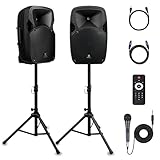 PRORECK Party 12 Powered PA System
A DJ is one of the biggest line items on any wedding budget. If someone you know can run a playlist, this is the difference between hiring one and not.
See it on Amazon →
PRORECK Party 12 Powered PA System
A DJ is one of the biggest line items on any wedding budget. If someone you know can run a playlist, this is the difference between hiring one and not.
See it on Amazon →
 Amazon Basics 46,000 BTU Patio Heater
Outdoor evening receptions live or die on this. Renting three for a night often costs more than buying two.
See it on Amazon →
Amazon Basics 46,000 BTU Patio Heater
Outdoor evening receptions live or die on this. Renting three for a night often costs more than buying two.
See it on Amazon →
 DazzlingStage Wireless Battery Uplights (6)
Battery uplights need no cable runs, so a venue that bans taped-down leads still lets you use them. The cheapest thing that changes how a room photographs.
See it on Amazon →
DazzlingStage Wireless Battery Uplights (6)
Battery uplights need no cable runs, so a venue that bans taped-down leads still lets you use them. The cheapest thing that changes how a room photographs.
See it on Amazon →
 Efavormart 8 ft Gold Hexagonal Arch
Heavy-duty metal rated to 100 lbs, and it resells afterwards, which is the part hiring one never does.
See it on Amazon →
Efavormart 8 ft Gold Hexagonal Arch
Heavy-duty metal rated to 100 lbs, and it resells afterwards, which is the part hiring one never does.
See it on Amazon →


